How Much Does Rehab Cost? The Cost of Addiction Treatment by State, Level of Care, and Amenities
What rehab costs, from state-funded programs to luxury facilities, and what most people actually pay. We cover average costs by level of care and by state, and how amenities change the figure. We cover whether alcohol treatment differs from drug treatment on price, what health insurance covers, how to pay without insurance through financial assistance programs, and the hidden costs families do not see coming.
Rehab costs anywhere from nothing at a state-funded program to more than $80,000 a month at a luxury facility, and the honest answer for most people lands between $5,000 and $30,000 for a 30-day inpatient rehab program. Nine years ago I was the person on the floor with a flip phone, calling treatment centers I could not afford. I know exactly how much this number matters. So this guide gives you the real figures: the cost of addiction treatment by level of care, by state, and by amenities, plus what insurance actually pays and what to do if you have no money at all. Operators researching how to open a rehab center should read it too, because these are the prices your future clients are staring at tonight.
The Short Answer: Average Cost of Drug Rehab
The average cost of drug rehabilitation is $13,475 per person, according to the National Center for Drug Abuse Statistics. That single number hides a massive range. Medical detox typically costs $300 to $800 per day. Standard inpatient rehab runs $5,000 to $20,000 for a 30-day drug addiction treatment program, and many private inpatient programs land between $10,000 and $30,000. Outpatient programs range from $1,000 to $10,000 depending on intensity. Luxury rehab centers can cost $30,000 to $100,000 per month. Treatment costs swing on three levers: level of care, location, and amenities, and the cost of drug and alcohol rehab moves the moment any one of them changes.
Here is the part most rehab centers will not say plainly: the sticker price is rarely what you pay. Most insurance plans cover addiction treatment services, and insurance typically covers 60 to 90 percent of rehab costs after deductibles. Your out-of-pocket rehab costs depend on your insurance plan specifics, the treatment facility's network status, and the level of care you actually need. We will walk through every piece.
Cost of Addiction Treatment by Level of Care
Rehabilitation program costs vary widely based on the level of care, because each level carries a different amount of medical care, staffing, and housing. Every substance use disorder is different, and many programs treat co-occurring mental health issues alongside addiction. Here is what you can expect to pay at each stage of drug addiction treatment.
Level of Care
Typical Cost
Typical Duration
Medical detox
$300 to $800 per day
5 to 10 days
Inpatient / residential treatment
$5,000 to $20,000 standard; $10,000 to $30,000 private
30 days
Partial hospitalization (PHP)
$350 to $450 per day
2 to 6 weeks
Intensive outpatient (IOP)
$3,000 to $10,000
90 days
Standard outpatient
$1,000 to $10,000
3 or more months
Sober living
$1,500 to $2,000 per month
3 to 12 months
Medical Detox Costs
Detox programs are often the first step in addiction treatment for anyone with physical dependence on alcohol, opioids, or benzodiazepines. Medical detox typically costs $300 to $800 per day, and a standard 7-day stay runs roughly $2,000 to $5,600. Higher-acuity detox services with round-the-clock medical care can reach $1,500 per day. Outpatient detox costs less but only fits people whose withdrawal symptoms can be safely managed at home. Do not skip this step to save money; alcohol and benzodiazepine withdrawal can be fatal without medical care.
Inpatient Rehab Costs
How much does inpatient rehab cost? Standard inpatient programs run $5,000 to $20,000 for a 30-day program, and inpatient rehab typically lasts 28 to 30 days. Private facilities charge $500 to $3,000 per day depending on staffing and setting, which is why inpatient rehab costs of $10,000 to $30,000 for 30 days are common. Inpatient care costs significantly more than outpatient formats because you are paying for housing, meals, 24-hour medical care and supervision, and evidence based addiction treatment delivered daily. Residential treatment plans can last from 3 weeks to 12 months, and longer program durations increase overall treatment costs.
Partial Hospitalization Program Costs
Partial hospitalization programs deliver 20 or more hours of treatment weekly while you sleep at home or in sober living. PHPs cost $350 to $450 per day at private rehab facilities, which works out to roughly $10,500 to $13,500 for 30 days. For many people, partial hospitalization programs are the step-down that keeps the structure of inpatient care without the housing cost.
Intensive Outpatient Program Costs
Intensive outpatient programs provide structured care with fewer hours than PHP, usually 9 to 15 hours per week. IOPs cost $3,000 to $10,000 for 90 days. A growing number of centers now run a virtual iop, which delivers the same group therapy and individual therapy sessions by video and often costs less than in-person intensive outpatient care.
Standard Outpatient Rehab Costs
Outpatient rehab is the least expensive level of care. Outpatient programs range from $1,000 to $10,000 depending on intensity, and many centers offer a 3-month outpatient treatment program for about $5,000. It is less intensive than inpatient treatment: weekly therapy sessions, group therapy, and medication management rather than daily programming. Community clinics often deliver outpatient care on sliding scale fees. After formal treatment, many people move into sober living. If you are wondering what is a sober living home, it is structured recovery housing that typically costs $1,500 to $2,000 per month.
Average Cost of Drug Rehab by State
Location changes the math. Facilities in expensive markets charge more, state funding levels differ, and the same drug and alcohol rehab program can cost twice as much across a state line. The table below shows the average per-person cost of publicly reported residential treatment by state, compiled by the National Center for Drug Abuse Statistics. Idaho is the least expensive state at $42,195 per residential admission. Wyoming ($65,975) and the District of Columbia ($66,538) are the most expensive.
State
Avg. Residential Cost
State
Avg. Residential Cost
Idaho
$42,195
Missouri
$56,782
Alaska
$52,030
Utah
$56,782
Arkansas
$53,036
Maryland
$56,783
Delaware
$53,690
Arizona
$56,789
Oklahoma
$54,475
Louisiana
$56,822
Mississippi
$54,805
Kentucky
$57,033
Indiana
$54,824
Vermont
$57,667
Georgia
$55,475
Connecticut
$57,667
Maine
$56,108
South Carolina
$57,774
South Dakota
$56,108
West Virginia
$57,881
Colorado
$56,413
New Mexico
$57,989
Virginia
$56,456
Alabama
$58,607
Michigan
$56,508
Rhode Island
$58,755
Washington
$56,539
Nebraska
$58,777
New Jersey
$56,570
New Hampshire
$58,777
Tennessee
$56,600
Hawaii
$58,810
Kansas
$56,618
Oregon
$58,894
Texas
$56,623
Iowa
$60,174
Wisconsin
$56,625
Montana
$62,530
Minnesota
$56,630
Nevada
$62,530
Florida
$56,640
North Dakota
$64,673
New York
$56,653
Wyoming
$65,975
California
$56,654
District of Columbia
$66,538
Illinois
$56,666
Ohio
$56,688
Pennsylvania
$56,708
Massachusetts
$56,725
North Carolina
$56,759
Outpatient services follow the same geographic pattern on a smaller scale: the average outpatient admission ranges from $1,376 in North Dakota to $2,069 in Wyoming. Two honest caveats. These are averages across publicly reported admissions, so an individual private treatment facility in your city may quote far more or far less. And a cheaper state is not automatically the right state; the right clinical fit saves more money than the ticket price ever will.
How Amenities Change What You Pay
Amenities such as private rooms and spa services raise the cost of rehabilitation faster than anything clinical. Luxury rehab centers with ocean views, private chefs, equine therapy, and one-to-one staffing can exceed $90,000 for 30-day programs. Standard rehab centers with shared rooms and solid clinical teams deliver the same evidence-based care for a fraction of that.
Here is our honest read after building treatment centers from the ground up: amenities buy comfort, not outcomes. Comfort matters, especially for executives and professionals who will not otherwise say yes to treatment. But the clinical treatment program, the staff, and the aftercare plan are what change lives. When you compare rehab facilities, ask what percentage of the total cost is going to clinical care versus hospitality. Good centers answer that question without flinching.
Alcohol Rehab Cost vs Drug Rehab Cost: Is Alcohol Treatment Different?
Alcohol rehab cost and drug rehab cost are structured identically, because most treatment centers deliver drug and alcohol treatment through the same programs, treating alcohol addiction and drug addiction side by side. A 30-day inpatient alcohol rehab runs the same $5,000 to $30,000 as any residential program, and outpatient alcohol treatment follows the same $1,000 to $10,000 range. Insurance covers alcohol treatment under the same parity rules, and free alcohol treatment programs exist in every state.
The one real cost difference sits at the front door. Alcohol withdrawal is one of the most medically dangerous withdrawals there is, so alcohol treatment more often requires medical detox before residential care begins, adding $2,000 to $5,600 to the total cost. If you or someone you love has an alcohol use disorder and drinks daily, budget for detox first and never attempt to quit cold without medical guidance. Effective alcohol treatment is worth every dollar of that first week.
Does Health Insurance Cover Addiction Rehab?
Yes, in most cases. Substance use disorder care and mental health services count as an essential health benefit under the Affordable Care Act, which means every Marketplace plan must cover substance abuse treatment and cannot put yearly or lifetime dollar limits on it. Insurance coverage for rehab is also protected by federal parity law: the Mental Health Parity and Addiction Equity Act requires that mental health and addiction benefits be no more restrictive than medical and surgical benefits. These rules apply to Marketplace, employer, and most other insurance plans.
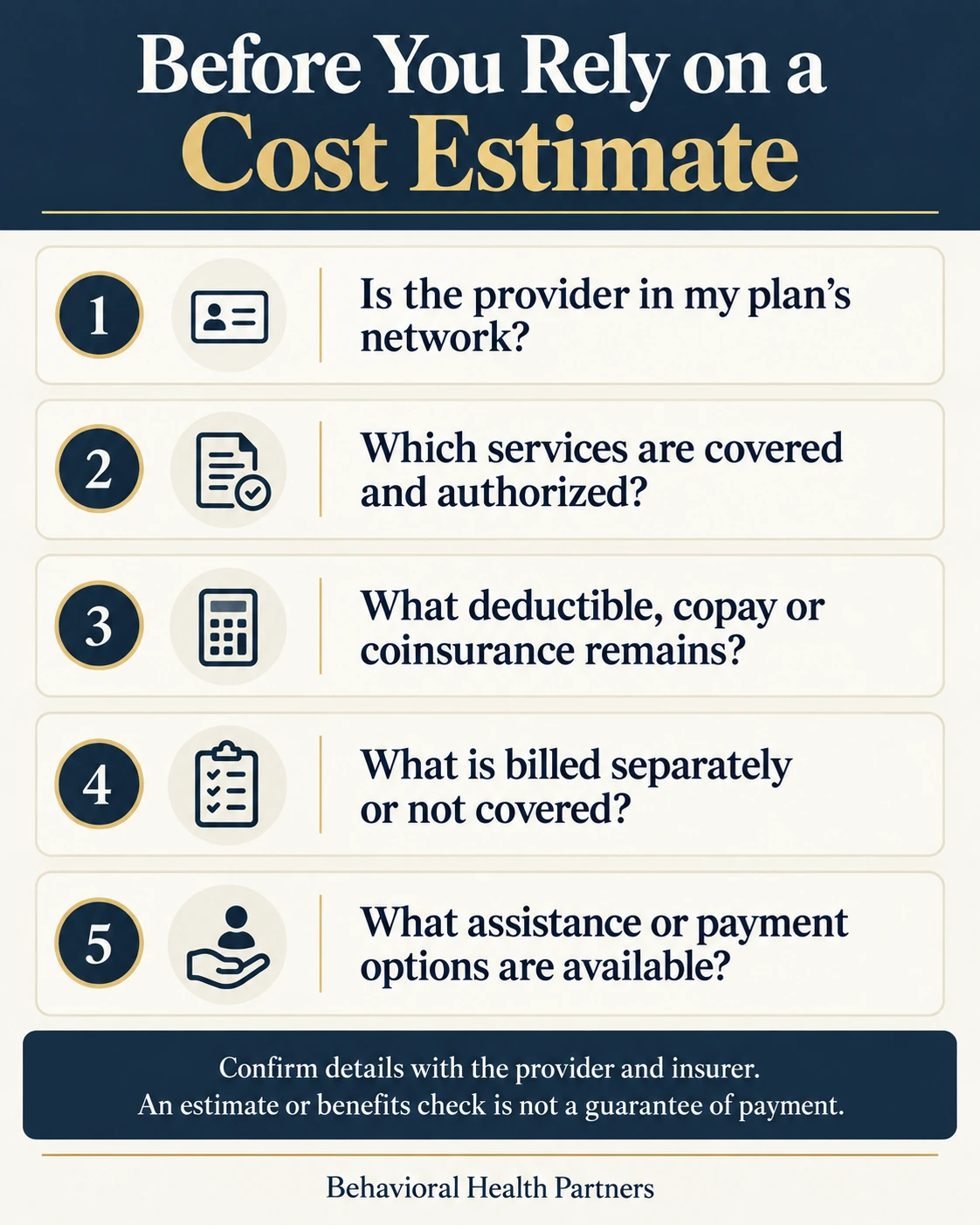
In practice, most major insurance plans cover addiction rehab from medical detox through outpatient care, and insurance typically covers 60 to 90 percent of rehab costs after deductibles. Your out-of-pocket number depends on your specific health insurance coverage: deductible, coinsurance, out-of-pocket maximum, and whether the rehab program is in network. Every reputable center runs a free verification of benefits before admission; if a center will not verify your insurance coverage in writing, walk away. On the operator side, this is exactly why clean behavioral health billing makes or breaks a center: coverage only helps families when claims actually get paid.
How to Pay for Rehab Without Insurance: Financial Assistance Programs and Treatment Options
No health insurance does not mean no treatment options. I got help without insurance or money, and the paths that existed for me still exist today.
State-funded programs can reduce or eliminate rehab costs entirely; every state funds substance abuse treatment slots through federal block grants, and hundreds of facilities nationwide offer free care. Search FindTreatment.gov, the Substance Abuse and Mental Health Services Administration's official locator, and filter for free or low-cost rehab services near you. Medicaid covers drug addiction treatment in every state, including medication assisted treatment. Many treatment centers offer sliding scale fees based on income, and most will build flexible payment plans so you can start care now and pay over time. Nonprofit organizations, faith-based programs, and treatment scholarships fill the remaining gaps, and some employers fund care through employee assistance programs. Financial assistance exists at almost every legitimate treatment facility; the centers that care will help you find it. If cost is the only thing keeping you from seeking addiction treatment, call anyway and say exactly that.
Hidden Costs of Drug Addiction Treatment
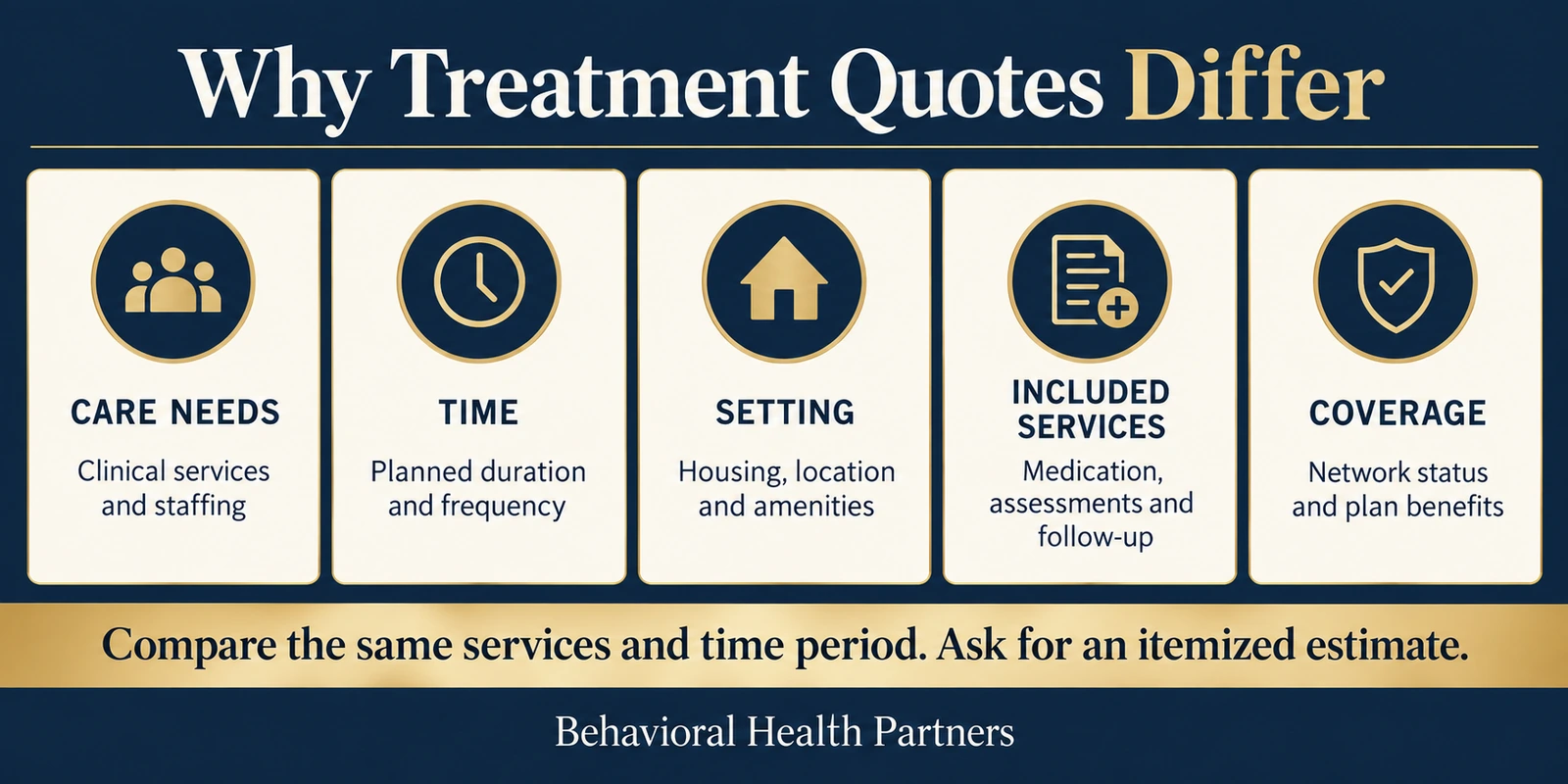
The quoted price is not always the total cost, so ask about these before you commit. Hidden costs may include intake assessments, psychiatric evaluations, and medications, which some centers bill separately from the program fee. Some rehab centers charge admission fees approaching $3,000 to $4,000, and surprise medical bills for services outside the program fee are common; ask about them, and ask whether the center offers payment plans for any remainder. Add travel if you are going out of state, lost wages during residential treatment, and aftercare: continued therapy sessions, medication management, and sober living all carry their own price tags. A center that hands you one transparent, itemized quote for the full treatment plan is telling you something important about how it operates.
The Cost of Untreated Addiction, Drug Abuse, and Alcohol Abuse
Now the number nobody puts on a brochure. Untreated drug addiction costs more than any addiction rehab program ever will. Research from the National Institute on Drug Abuse estimates that every dollar spent on addiction treatment returns $4 to $7 in reduced drug-related crime and related costs alone, before counting healthcare savings. Treatment cost is an investment, not an expense. On the personal ledger, active drug abuse drains tens of thousands of dollars a year in the substance itself, emergency medical bills, legal fees, lost jobs, and destroyed credit. Legal fees from a single arrest can exceed an entire outpatient program.
And money is the smallest stake on the table. The CDC recorded nearly 70,000 drug overdose deaths in 2025, and every one of them was somebody's kid. Alcohol quietly shortens lives on the same scale. Too many people delay seeking treatment because of addiction stigma or sticker shock, and the delay is the most expensive decision of all. Weighed against untreated addiction, every figure in this guide is cheap.
What Treatment Costs Mean for Operators
If you run or plan to open a treatment center, this entire page is market intelligence. These prices are what families researching drug addiction treatment are staring at 2 a.m., and the centers that answer cost questions honestly on their own websites earn the admission calls. That is a core principle of the addiction treatment marketing work we do every day: transparency converts because families can smell evasion.
Your payer mix decides your business model. A center built on commercial insurance lives and dies by parity compliance and clean claims, while cash-pay and luxury models live on differentiation, and value based contracting is reshaping how payers reward outcomes. If a full residential build is out of reach, learn how to start a sober living home first and grow into higher levels of care. Understanding what consumers pay is half the equation; how much money do rehab centers make is the other half, and our pillar guide walks through margins by level of care. Before you build, know how much does it cost to open a rehab center so your pricing and your proforma actually match. And if you want a partner who has built, launched, and scaled treatment centers rather than a vendor with a template, that is exactly what our addiction treatment consulting team does.
Frequently Asked Questions About Rehab Costs
How much does rehab cost with insurance?
With health insurance coverage, most people pay their deductible plus coinsurance up to their plan's out-of-pocket maximum, typically $1,000 to $7,000 total for a 30-day inpatient stay rather than the full $5,000 to $30,000 price. Insurance typically covers 60 to 90 percent of rehab costs after deductibles. Get a free verification of benefits from the treatment center before admitting so you know your exact number in writing.
How much does a 30-day inpatient rehab program cost?
Standard 30-day inpatient programs cost $5,000 to $20,000, while private inpatient rehab commonly runs $10,000 to $30,000 for 30 days. Daily treatment costs range from $500 to $3,000 depending on staffing, location, and amenities. Luxury rehab centers can exceed $90,000 for 30 days of treatment. Medical detox, when needed first, adds roughly $2,000 to $5,600.
Is alcohol rehab more expensive than drug rehab?
No. Alcohol rehab and drug rehab cost the same at every level of care because treatment centers run them through the same programs. The one difference is that alcohol addiction more often requires medical detox first, since alcohol withdrawal can be life-threatening, which adds $300 to $800 per day for about a week before residential or outpatient care begins.
What is the average cost of drug rehab?
The average cost of drug rehab is $13,475 per person, according to the National Center for Drug Abuse Statistics. That average blends everything from low-cost outpatient programs near $1,000 to residential stays above $50,000. Your real number depends on the severity of your substance use disorder, the level of care you need, your state, your insurance coverage, and the amenities of the treatment facility you choose.
How can I afford treatment with no money?
Start with FindTreatment.gov, SAMHSA's free locator, and filter for state-funded and free rehab facilities. Apply for Medicaid, which covers addiction treatment in every state. Ask every center about sliding scale fees, payment plans, treatment scholarships, and financial assistance programs. Nonprofit organizations and faith-based programs also provide free care. Affordable treatment options exist in every state; do not let cost stop the call.
You now know what rehab costs. If you are an operator, the next question is what your market is worth and whether your center is capturing it. Schedule Your Free Discovery Call and we will look at your market together: your presence, your top three local competitors, no pitch on the first call. Every admission you earn is a family that gets someone back. That is the whole point of the work.
Adam Vibe GuntonFounder and Managing Partner, Behavioral Health Partners
Adam Vibe Gunton is an addiction recovery expert, entrepreneur, marketer, brand strategist, and speaker dedicated to advancing the behavioral health industry. As Founder and Managing Partner of Behavioral Health Partners, he has worked across treatment-center development, operations, branding, PR, SEO, advertising, and growth strategy. Combining professional experience with his own lived experience in recovery, Adam brings a unique perspective on how treatment organizations can build trusted brands, reach more people, and create a greater impact.
Published June 20, 2025 · Updated September 28, 2026
One Conversation. No Pitch.
Schedule Your Free Discovery Call
Thirty minutes on video with Adam directly, camera on, screen-sharing your own online presence and your top three local competitors. If we are not the right partner, we will tell you that too.