Schedule Your Free Initial ConsultSchedule Your Free Consult

Search Engine Optimization for Mental Health Programs · Behavioral Health Only

Mental Health SEO

Rank every program you run for the search a family makes at midnight

Behavioral Health Partners works only in behavioral health. Mental health SEO, the way we do it, means ranking your program in Google Maps, the organic results, and AI search for the condition, level-of-care, and insurance searches families and referring clinicians actually make, then turning those rankings into scheduled assessments and admissions. We build the pages, the local listings for every clinic, the clinically reviewed content, and the tracking that shows which searches produced which admits, for residential, PHP and IOP, adolescent, eating disorder, interventional psychiatry, and virtual programs.

What mental health search decides

The condition comes first: depression treatment, anxiety treatment, bipolar, OCD, trauma, and eating disorders are searched before any level of care, and the program with a page for the condition gets the call

The map pack decides the local call: mental health treatment near me and PHP plus city are answered by Google Business Profile before any website

+475% organic clicks in 90 days for one treatment center, 1,860 to 10,700, average position 15.6 to 7.5

+263% organic clicks for a center that was nearly invisible 90 days earlier, 568 to 2,060

Real client data. We show the screenshots, not stock charts.

google.com/search?q=drug+rehab+near+meB
Search ConsoleBusiness ProfileAnalyticsGoogle AdsAdmissions CRM
B
AllMapsImagesNewsVideosMore

About 41,300,000 results (0.48 seconds)

#1 · Where our clients rank
Your Treatment Centeryourtreatmentcenter.com › admissions

Detox & Residential Treatment, Admissions Open Today

Joint Commission accredited. Insurance verified in minutes. Speak with a real admissions counselor now, 24 hours a day ...

People also ask

How do I find a drug rehab near me?

Does insurance cover alcohol detox?

How long does inpatient rehab take?

B
AllMapsImagesNewsVideosMore

About 41,300,000 results (0.48 seconds)

SponsoredDdirectory-site.com › listings

Top 10 Rehab Centers Near You | Compare Options

Paid directory listing, updated monthly. Compare centers by location and price.

Yyourtreatmentcenter.com › admissions

Detox & Residential Treatment, Admissions Open TodayOur client

★★★★★ Rating: 4.9 · 212 reviews

Joint Commission accredited. Insurance verified in minutes. Speak with a real admissions counselor now, 24 hours a day.

AdmissionsDetoxInsuranceTake a Tour

Places near you

Your Treatment Center4.9 ★ (212) · Open 24 hours

Competitor Recovery4.3 ★ (48) · Closes 5 p.m.

Regional Behavioral Health4.1 ★ (26) · Closes 5 p.m.

Front Range Detox Center3.9 ★ (61) · Open 24 hours

1Your Treatment Center4.9 ★ (212) · Open 24 hours · Detox, Residential
2Competitor Recovery4.3 ★ (48) · Closes 5 p.m.
3Regional Behavioral Health4.1 ★ (26) · Closes 5 p.m.
4Front Range Detox Center3.9 ★ (61) · Open 24 hours
5Summit Counseling Group4.2 ★ (19) · Closes 6 p.m.
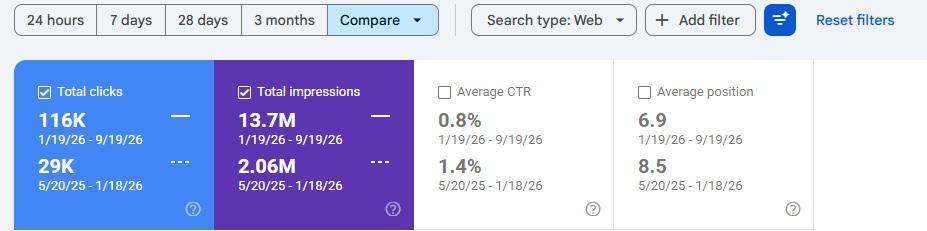
Google Search Console for a detox and inpatient center: organic clicks 29,000 to 116,000 across equal 244 day periods
+300%Organic clicks, 244 days
8.5 to 6.9Average position
+232%Calls

Top queriesClicksPosition

detox near me1,2841.4

rehab that takes my insurance9462.1

inpatient treatment near me7313.0

iop program near me5284.2

Real client data. We show the screenshots, not stock charts.

Verifiable Results Only

What Is Mental Health SEO?

Mental health SEO is the work of ranking a mental health treatment program for the searches made by the people who can admit to it: the parent searching adolescent depression treatment at midnight, the spouse searching residential mental health treatment after a crisis, the primary care office searching PHP for anxiety in its own city, and the patient searching whether a program takes their insurance. It is one lane inside mental health marketing, and it is the lane that produces the calls a program owns rather than rents.

Search engine optimization for a mental health clinic is different from SEO for a therapist, and different again from SEO for a rehab. The searches are organized by condition first and level of care second. The searcher is often not the patient. The payer mix decides which searches are worth winning, because a page that ranks for a search the program cannot admit from is a cost, not an asset. And the compliance bar is higher: every condition page is reviewed by the clinicians it describes, and the tracking behind it never sends protected health information anywhere it should not go.

We built centers of our own and dozens across the country, and most treated mental health conditions. Everything we do for a program's search comes from that experience: the page map, the local work, the content, and the admissions handoff are one system, and the number on the monthly report is admissions from search.

The searches we own for a program

Condition searches: depression, anxiety, bipolar, OCD, PTSD, and eating disorder treatment plus city or state

Level-of-care searches: residential mental health treatment, mental health PHP, IOP, adolescent programs

Mental health treatment near me and the map pack for every clinic

Insurance and cost searches by payer and level of care

The AI answers a family gets when they ask which program to call

Every search reports into the same number: admissions from search.

Real Organic Search Results, Not Stock Charts

Every number below comes from an active Behavioral Health Partners client and a live account: Google Search Console or call tracking. We show the screenshots on the audit call.

+475%

Organic clicks in 90 days, 1,860 to 10,700, impressions up 643% and average position 15.6 to 7.5

+263%

Organic clicks in 90 days, 568 to 2,060, for a center that was nearly invisible 90 days earlier

+86%

Organic clicks for a mature property, 11,500 to 21,400, holding average position 5.8 while impressions doubled

13.6x

Organic calls in 12 months, 40 in launch month to 543 per month, every paid-ad call stripped out

Client · Treatment Center

1,860 → 10,700

+475% organic clicks in 90 days

Impressions rose from 187,000 to 1.39 million and average position moved from 15.6 to 7.5 in the same 90 days. The pages that moved were condition and level-of-care pages built one per search, with the clinical team reviewing every one.

Live Search Console data · last 90 days versus the previous 90

Client · OPA Behavioral Health

11 locations

behavioral health clinics scaled across Florida

OPA Behavioral Health doubled its organic search impressions in the first two months of the partnership and scaled to 11 locations across Florida, each with its own local presence. Paul Rivers, Marketing Director: "We kissed a lot of frogs before we found our prince of marketing."

Attributed testimonial · live Search Console data

The gap

Most mental health programs rank for their own name and nothing else. The depression treatment, residential mental health, and PHP searches in their city go to the national directories and to the one program that built a page for each condition it treats.

Why SEO for Mental Health Clinics Is Different

Three things are true of mental health search in every market we have audited, and they decide how a program's search strategy gets built.

Condition first, level of care second

Families search for the condition they are facing, then narrow to a level of care once they understand the options. A program that only has a PHP page and an IOP page is invisible for depression treatment, anxiety treatment, and every other condition search in its market. The condition pages carry the volume; the level-of-care pages carry the intent.

The payer mix decides the keywords

An in-network PHP wins on insurance and city searches. A private pay residential program wins on condition and destination searches. Keyword research for a mental health clinic starts with who can admit, not with raw volume, because traffic from people the program cannot serve is a cost that looks like a win in a report.

The map pack decides the local call

Mental health treatment near me, PHP plus city, and psychiatric hospital plus city are answered by Google Business Profile before any website. Every clinic needs a claimed profile with the right categories, hours that match the program schedule, reviews handled inside privacy rules, and a location page that mirrors it.

Mental Health SEO: the Pages That Rank

Mental health SEO is a page architecture problem before it is a keyword problem. Here is the architecture we build for a program, one page per search a family or a referring clinician makes.

01

Condition pages

One page per condition the program treats, written for the family searching it: what the condition looks like, how the program treats it, which levels of care apply, and how to start. Depression, anxiety, bipolar disorder, OCD, PTSD, and eating disorders each get their own page, reviewed by the clinicians who treat them.

02

Level-of-care pages

Residential mental health treatment, PHP, IOP, adolescent and young adult programs, and virtual care are separate searches made at different moments. Each gets a page that shows what a week looks like, the clinical model, the team, insurance, and how someone starts.

03

Google Business Profile and location pages for every clinic

Each clinic gets a profile with the right categories, real photos, hours that match the program schedule, and reviews managed inside privacy limits, plus a location page that mirrors it. This is what puts the program in the map pack for mental health treatment near me.

04

Insurance and cost pages

Does insurance cover residential mental health treatment, how much does PHP cost, which plans the program accepts. A page per major payer and a plain cost page rank on their own and answer the questions that decide the call.

05

Clinician, outcomes, and educational content

Pages for the clinical team by name, the accreditation, the modalities, and how the program measures outcomes, plus regular educational content on the questions families ask. This is what referring clinicians read and what AI engines cite when a family asks which program to call.

06

Schema and technical signals

Every clinic typed as a MedicalClinic with its specialty, services, hours, and insurance in structured data, FAQ schema on every program page, and technical health and page speed underneath, because a family on a phone closes the slow tab first.

Mental Health SEO Services Beyond the Rankings

Rankings win the shortlist. The rest of mental health SEO turns the shortlist into an admission. The first part is AI search: when a parent asks Claude, ChatGPT, Gemini, Perplexity, or Google AI Overviews which adolescent program to call in their state, the engines cite the pages that define the program plainly, name the clinicians, state the insurance, and answer the family's questions in full sentences. We write every program page so it can be cited, and we check each engine for the program's market every month.

The second part is the handoff. Every call is tracked in the platform your admissions team answers on, forms and texts are counted with the calls, and the CRM is configured so no protected health information reaches a platform that has not signed a business associate agreement. That is how mental health SEO reports in admissions rather than clicks, and it is the number the partnership is judged on.

The third part is referral relationships. Primary care offices, schools, and the therapists who refer into programs check the same pages a family does. A mental health SEO company that builds for the family alone leaves the referral network to the directories.

The mental health SEO stack

Condition and level-of-care page architecture

Google Business Profile and location pages for every clinic

Clinically reviewed educational content

Schema, technical health, and AI search citations

Call tracking and a HIPAA-compliant CRM

Monthly screen-share, reported in admissions

On the call

Your free audit. No sales pitch.

We audit your program's search presence, including which condition and level-of-care searches you rank for today and which ones the directories own, and walk you through it in a 30-minute call. Then you decide whether to book a second call about working with BHP.

How Long Does Mental Health SEO Take to Work?

Google Business Profile and reputation work usually moves inside 30 days, and for a program with clinics that is where the first new calls come from. Map pack rankings for PHP plus city and mental health treatment near me typically begin shifting in 60 to 90 days as reviews, citations, and location pages accumulate. Competitive organic condition and level-of-care terms usually stabilize on page one in 4 to 6 months, and the educational content keeps compounding after that. Our promise is 30 days to value: a finished deliverable in your hands inside the first month.

How Much Do Mental Health SEO Services Cost?

It depends on the number of clinics, the conditions and levels of care you run, whether you operate a virtual program and in how many states, and how competitive the mental health searches are in your market. Our SEO packages range in price depending on market, locations, and overall campaign scope. We offer 6-month and 12-month partnership terms, and pricing is quoted on the second call once it is scoped to your program.

How Do You Choose a Mental Health SEO Company?

Ask to see live Search Console screenshots from a current mental health client, not a stock chart. Ask whether the agency works only in behavioral health, because a condition page written by a generalist will describe treatment in ways your clinical director will not sign off on. Ask who writes the pages, who clinically reviews them, whether any links are purchased, and how reviews are requested inside privacy rules. And ask whether the agency will tell you when your market is a poor fit. We confirm your market is open before partnering with you, and if your market is taken, we will tell you on the first call.

Where Search Fits in the Silo

Search is the foundation. Advertising carries the census while the rankings mature, and the clinic pages below are where the specialized searches live. Each page carries the same rule this one does: rankings are the output, admissions are the point.

Our guarantee

Our 30-Days-To-Value Guarantee

Within 30 days, we'll have your modern, SEO-ready website built for conversions and ready for approval, your social and Google Business profiles optimized, your first business listings ordered, and your review growth strategy delivered. Clear progress you can see. Confidence you've found your long-term agency partner.

FAQs About Mental Health SEO

The questions program owners and directors ask on the audit call, answered the way we answer them there.

Mental health SEO is the work of ranking a mental health treatment program in Google Maps, the organic results, and AI search for the condition, level-of-care, and insurance searches families and referring clinicians make in its market, and turning those rankings into scheduled assessments and admissions. It combines condition and level-of-care pages, a Google Business Profile for every clinic, clinically reviewed content, schema, and call tracking.

A clinic or program ranks for conditions, levels of care, insurance, and locations, and the searcher is often a parent or a referring clinician. A therapist ranks for a specialty and a city, and the searcher is the client. The page architecture, the compliance bar, and the admissions process are all different, which is why we built this page for programs and wrote a separate guide for therapy practices.

Condition searches plus city or state (depression treatment, anxiety treatment, eating disorder treatment), level-of-care searches (residential mental health treatment, mental health PHP, IOP), mental health treatment near me for the map pack, and insurance searches by payer. The payer mix decides which of those are worth winning for a given program.

Yes. Families search for the condition before the level of care, and a program without a depression treatment page is invisible for depression treatment searches no matter how strong its PHP page is. Each condition page is written for the family facing it and reviewed by the clinicians who treat it.

Each clinic gets a Google Business Profile with the right categories, real photos, hours that match the program schedule, and reviews handled inside privacy rules, plus a location page that mirrors it and citations that agree with it. Map pack position is tracked on a grid across the market rather than from one pin.

Yes, when the pages are written for it. Claude, ChatGPT, Gemini, Perplexity, and Google AI Overviews cite pages that define the program plainly, name the clinicians, state the insurance, and answer the family's questions in full sentences with FAQ schema behind them. We write every program page that way and check each engine for the program's market monthly.

Google Business Profile and reputation work usually moves inside 30 days, map pack rankings typically begin shifting in 60 to 90 days, and competitive organic condition and level-of-care terms usually stabilize on page one in 4 to 6 months. Our promise is 30 days to value: a finished deliverable in your hands inside the first month.

Ask for live Search Console screenshots from current mental health clients, whether the agency works only in behavioral health, who writes and clinically reviews the condition pages, whether any links are purchased, how reviews are requested inside privacy rules, how results are reported, and what the partnership terms are.

The Condition Searches in Your Market Are Going Somewhere Tonight

Thirty minutes with Adam, a clear picture of which condition and level-of-care searches your program ranks for and which ones the directories own, and a plain read on what would move first. If we are not a fit, you keep the strategy.

Behavioral health only. Verifiable results only.

Last updated October 2, 2026

Adam Vibe Gunton

Written and reviewed by Adam Vibe Gunton, Founder and Managing Partner of Behavioral Health Partners.

Adam Vibe Gunton is an addiction recovery expert, entrepreneur, marketer, brand strategist, and speaker dedicated to advancing the behavioral health industry. As Founder and Managing Partner of Behavioral Health Partners, he has worked across treatment-center development, operations, branding, PR, SEO, advertising, and growth strategy. Combining professional experience with his own lived experience in recovery, Adam brings a unique perspective on how treatment organizations can build trusted brands, reach more people, and create a greater impact.

Last updated July 30, 2026