

seen on a dozen other websites

Treatment Center Photography · Your Facility, Your People, Your Story
Families decide with their eyes before deciding with a call, and stock images quietly tell them your center has something to hide. We send a professional photographer into your center to capture what is actually there: the rooms, the people, and the hope. The photos come back ready for your website, your ads, and the potential clients deciding tonight, and industry data credits high quality photography with call conversion lifts around 5%. Real spaces build trust; rented pixels never will.
Treatment center photography is professional photography created inside your own facility: your environment, your staff, your common areas, and the moments of daily life that show potential clients what treatment at your center actually looks like. A professional photographer plans the shot list around your programs, spends a day or two walking your campus with a camera to capture the story, and delivers a library of images your center owns outright. The purpose is simple: help clients and families feel what walking through your doors would feel like, before they ever call.
The difference
Professional photos do a job stock images cannot: they showcase the unique aspects of your center, and they prove the place is real. Photos of your actual staff create a personal connection with potential clients, and a diverse range of imagery helps clients envision themselves in recovery at your center specifically. That is the difference between a website that claims credibility and one that shows it.
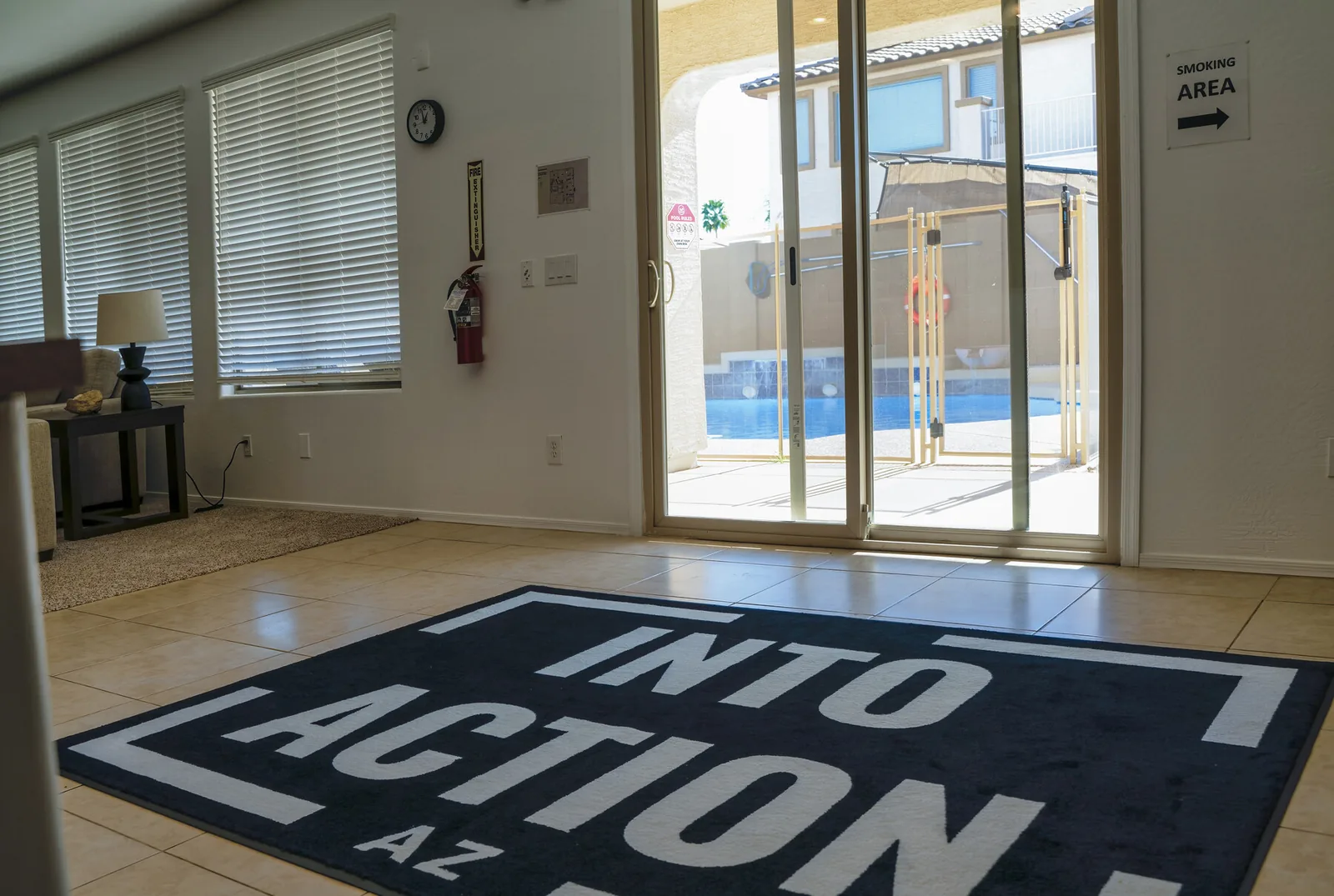
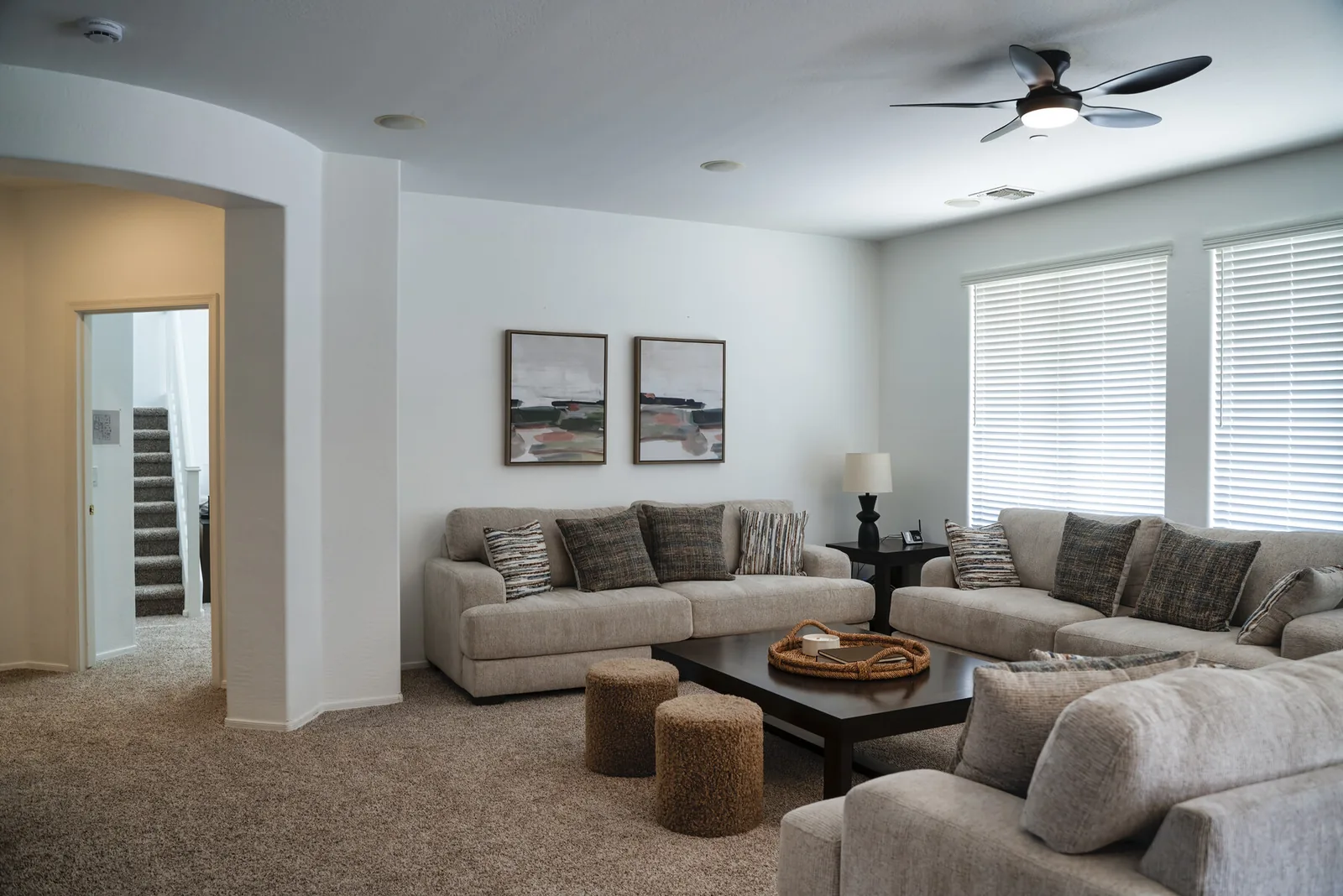
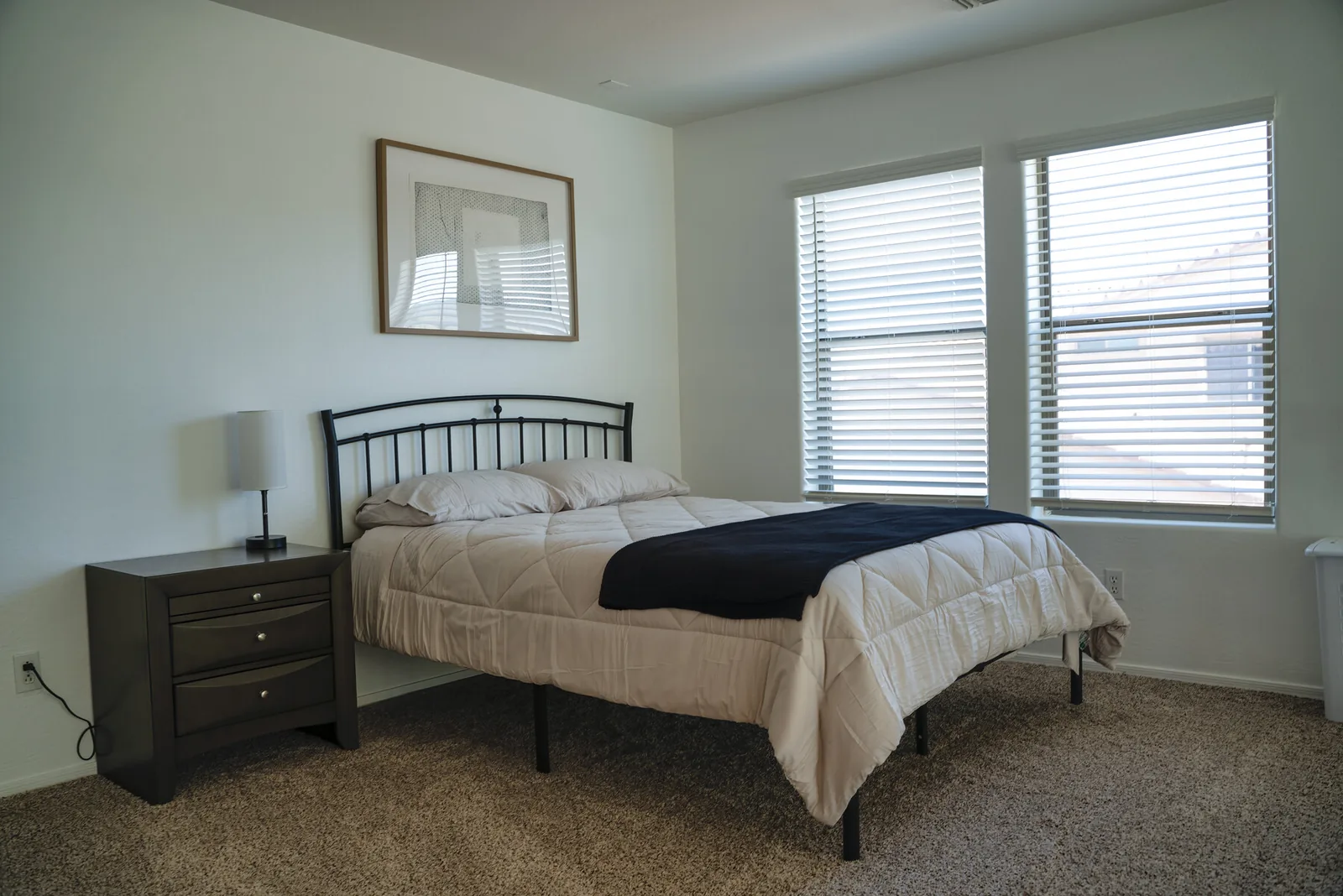
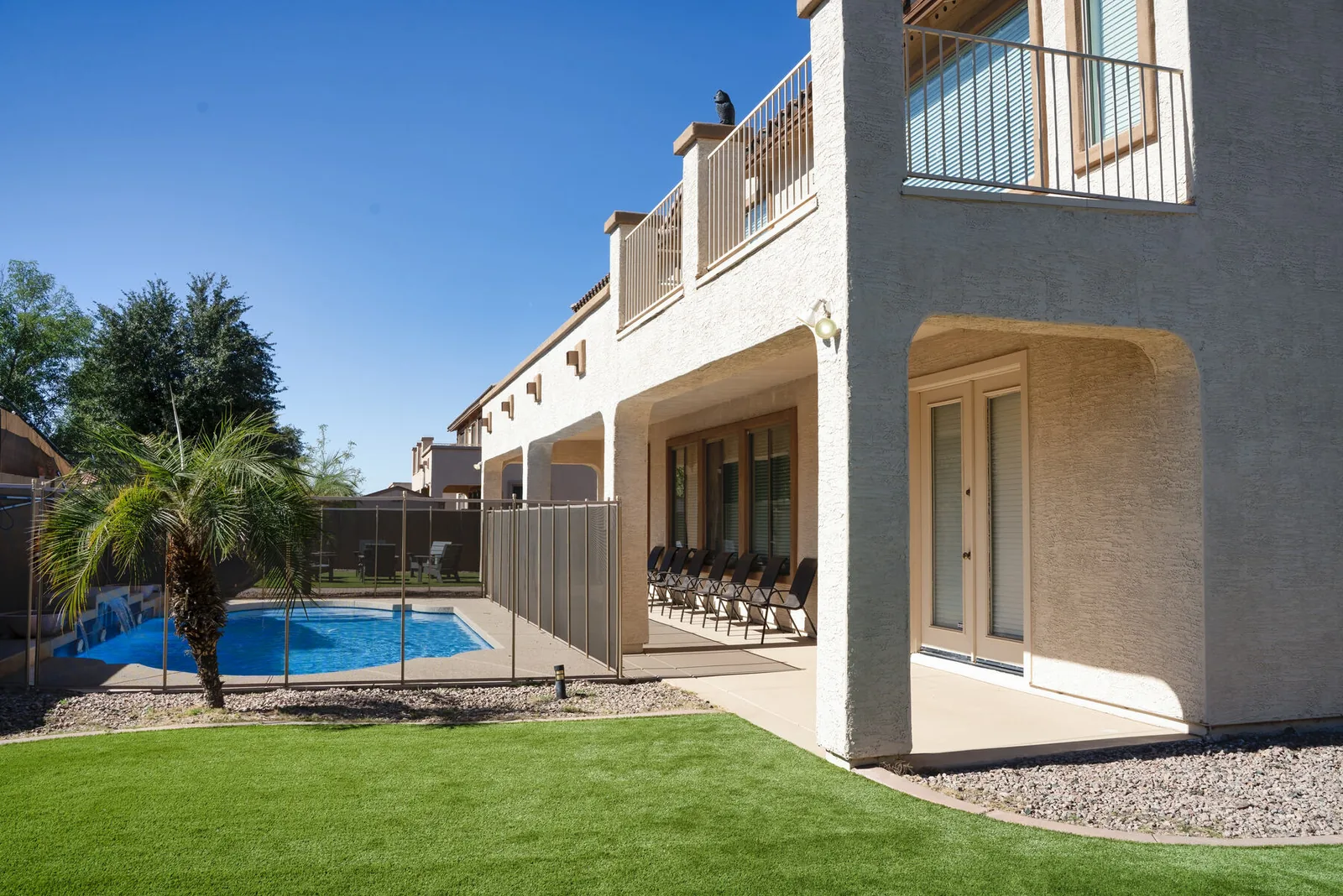
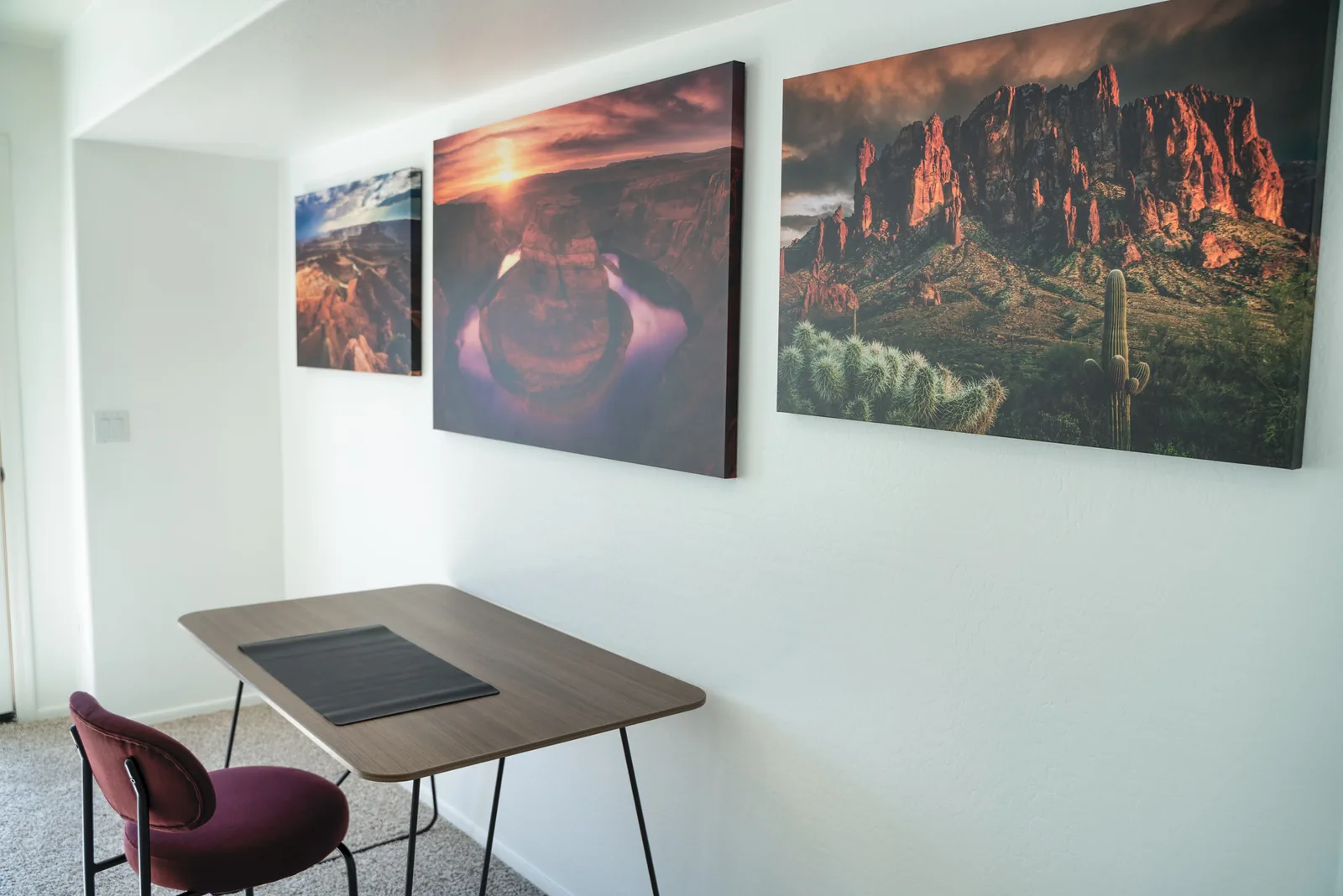
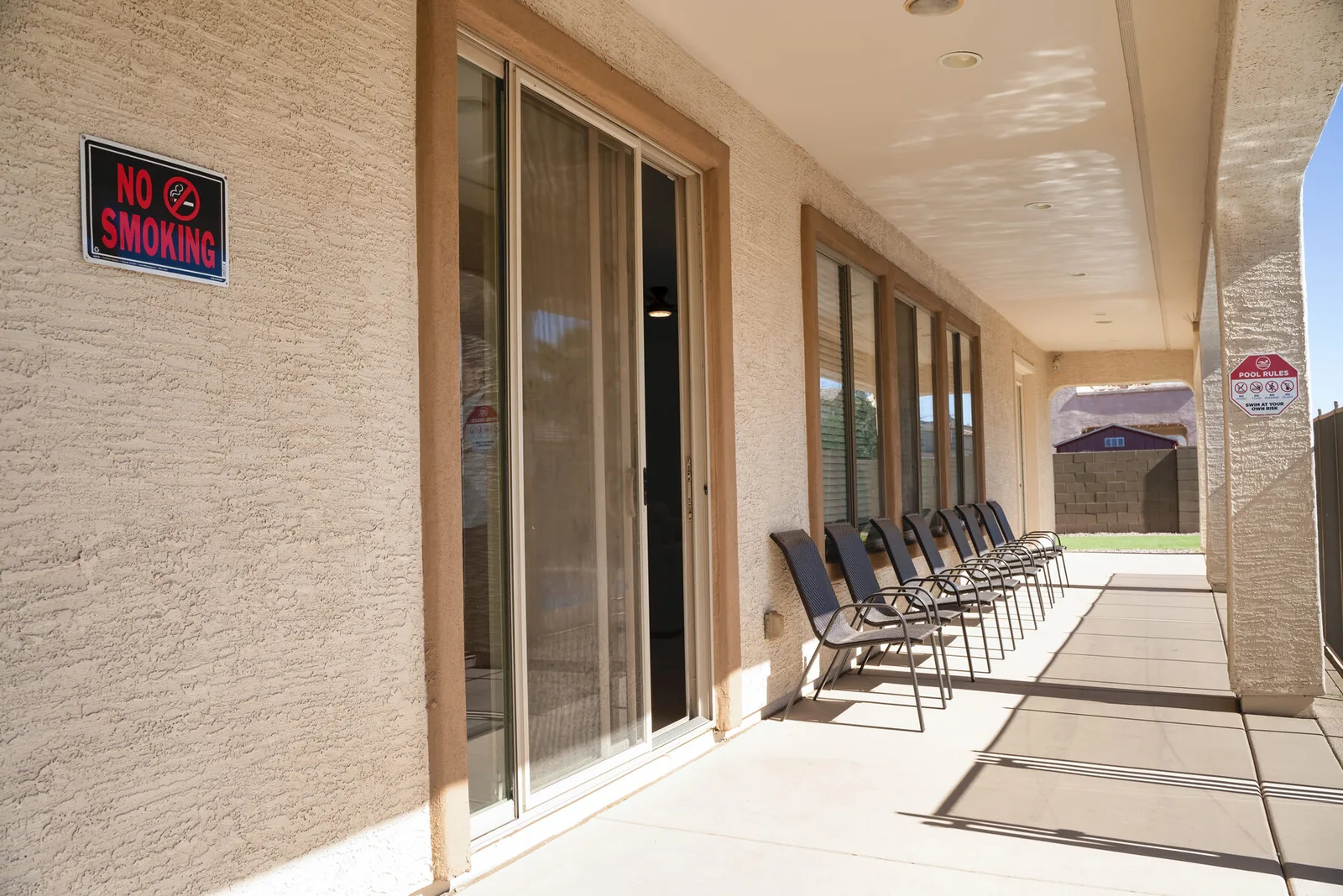
Our own work, from real shoots at the treatment centers we serve, published with each center's permission. These professional photos exist to do a job: build trust, showcase an environment, and help potential clients picture their first day.
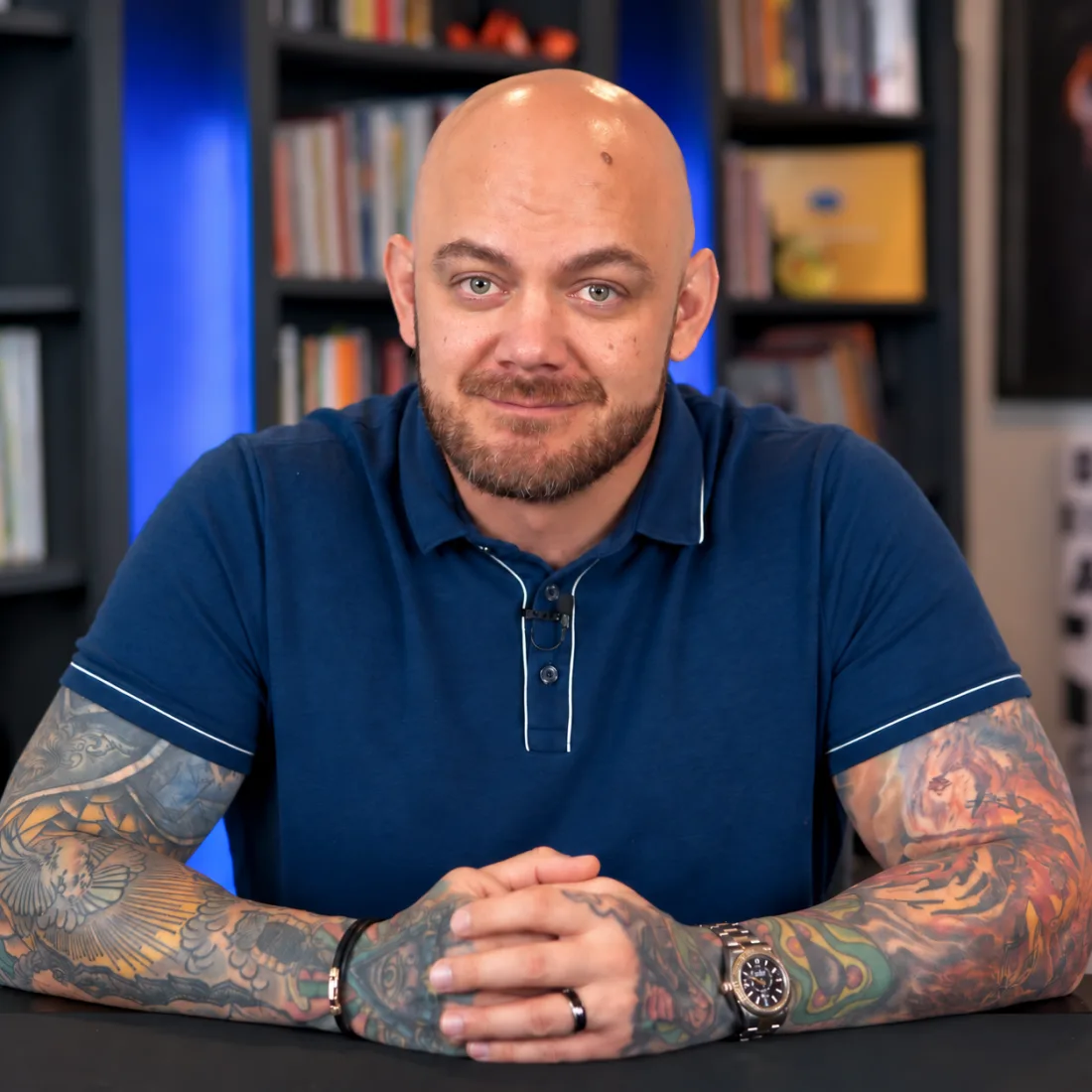
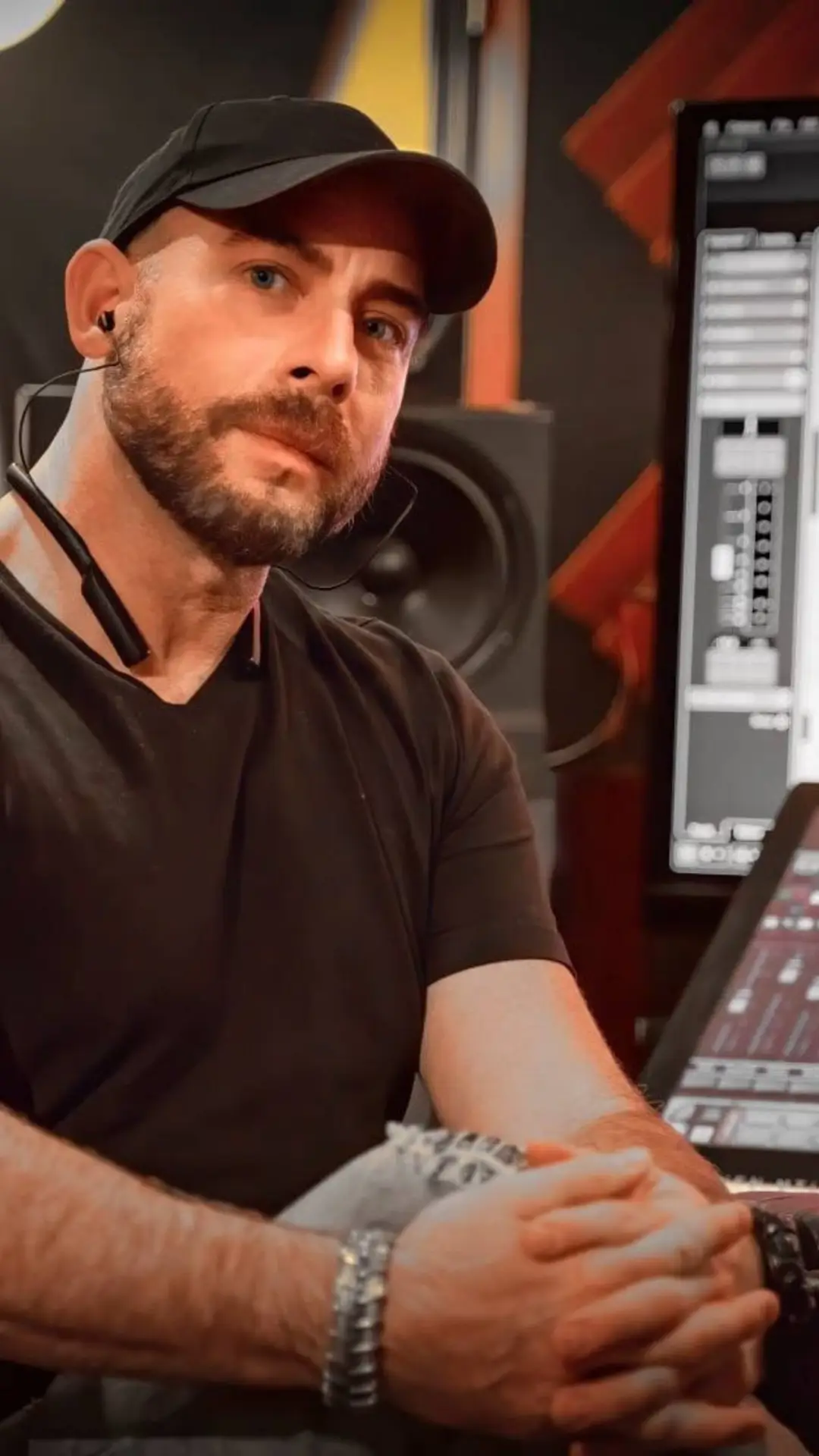
Five minutes from Adam on why professional images shape the first impression before admissions ever speaks, how to capture therapy rooms, living spaces, and outdoor areas faithfully, and why authentic photos outperform generic visuals everywhere they run.
The numbers behind treating photography as a conversion asset instead of decoration:
5%
call conversion improvement industry data credits to high quality photography and images
150-400
photos in a typical delivered library, sized for every channel your center runs
1-2 days
with a photographer on site for a typical shoot, planned so clients and care are never disrupted
100%
ownership: your center keeps every photo, full library, no licensing games
Stock images are the fastest way to make a real treatment center feel fake. Prospective clients have seen the same smiling models on a dozen other websites, and the message lands instantly: this center offers a template, not a place. Professional photos create the opposite effect and build trust frame by frame. When potential clients see your actual lobby, your actual clinicians, and the actual view from the residence windows, uncertainty drops and trust climbs, because authentic images enhance every page they touch and nothing on the tour will contradict what the photos promised.
There is a money argument too: a professional shoot costs less than one admission at almost any center, and the photos you create keep working for years across every channel you run. Spending on imagery that converts beats saving on imagery that repels, and the example is everywhere in this industry: the centers that showcase real environments are the centers potential clients shortlist.
seen on a dozen other websites

and the light in your own hallway
the people they will meet
the tour keeps what the photos promised
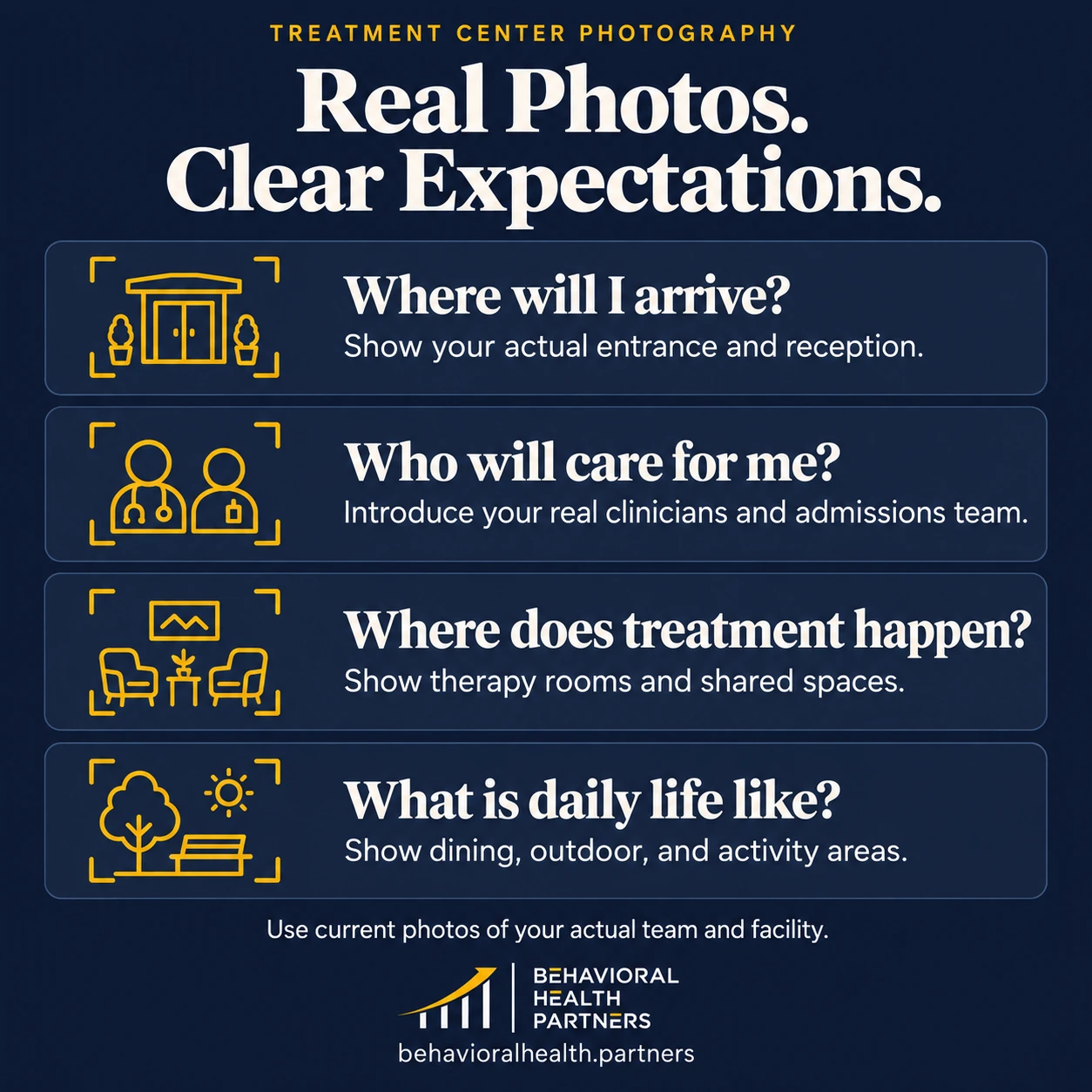
We create every shoot around what families need to see, because that is how families and potential clients read a treatment center: the spaces, the people, the days, and the hope clients are searching for. Four stories carry every shoot:
The lobby a family sees walking in, the shared spaces where community happens, the rooms where clients will sleep, and the outdoor spaces where mornings start. We capture the environment as it is, in real light, so the photos set expectations the tour will keep for clients and families alike. Clean, warm, specific: the environment is your first promise, and photos of it are the proof we create first.
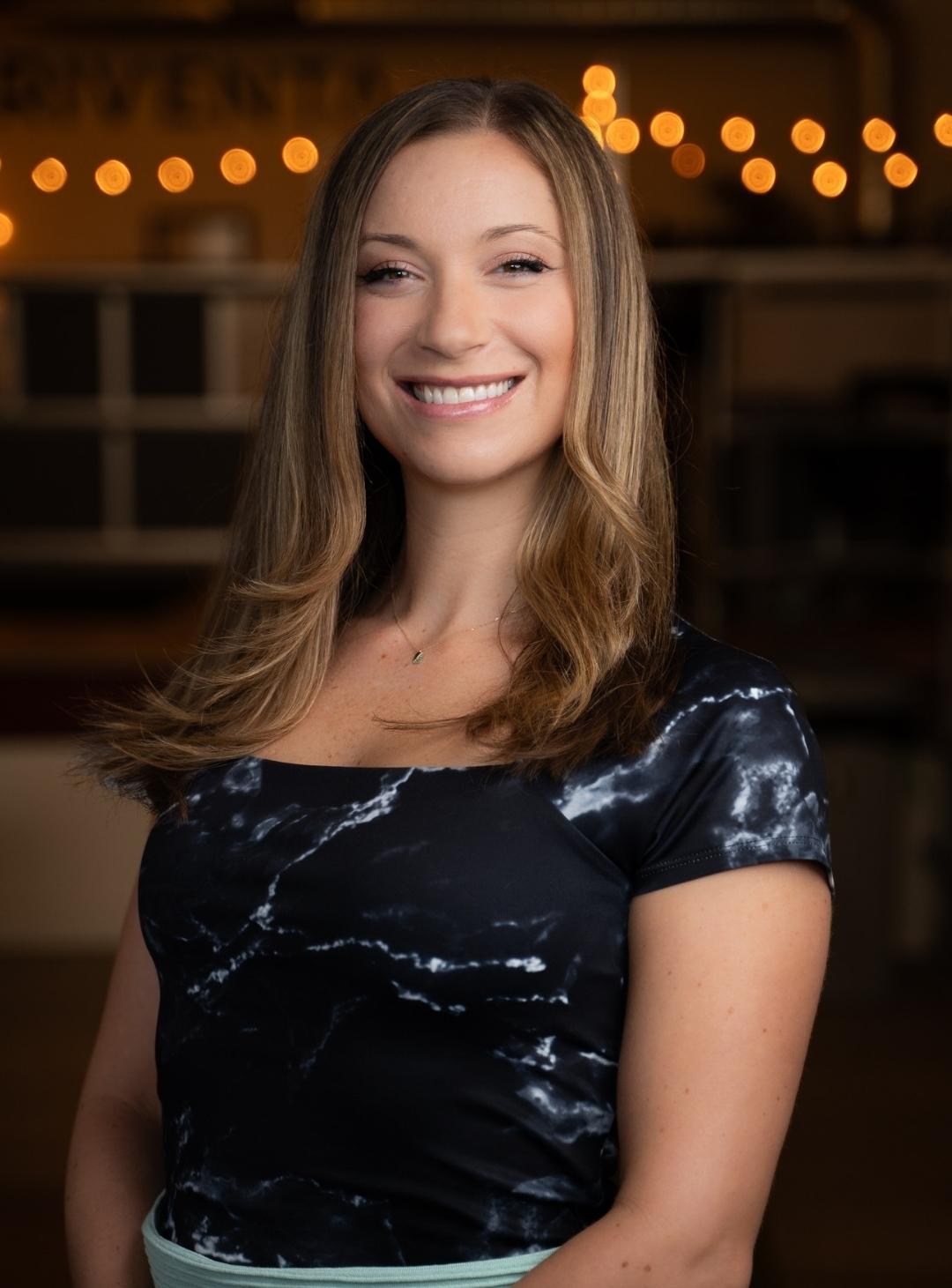
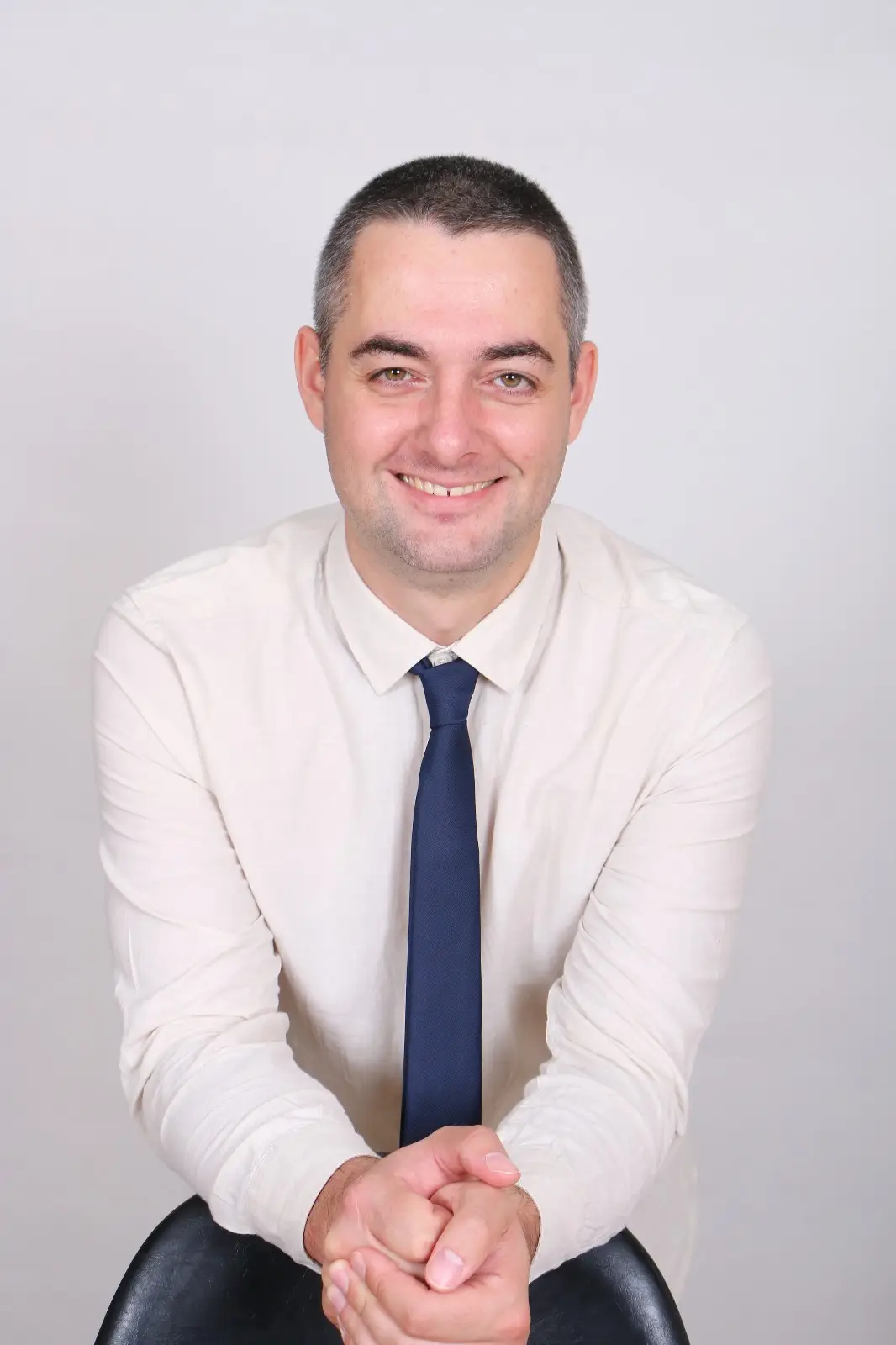
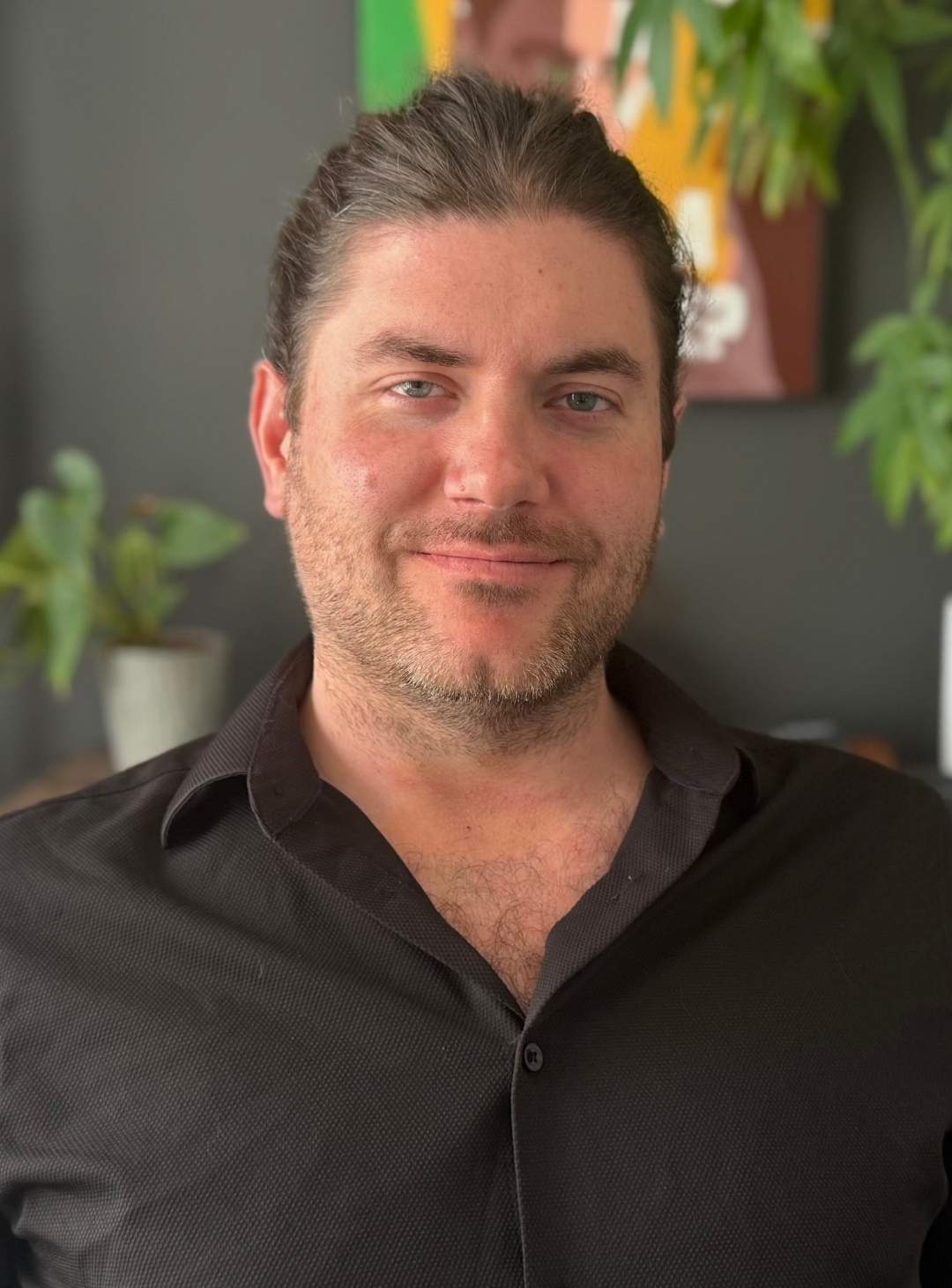
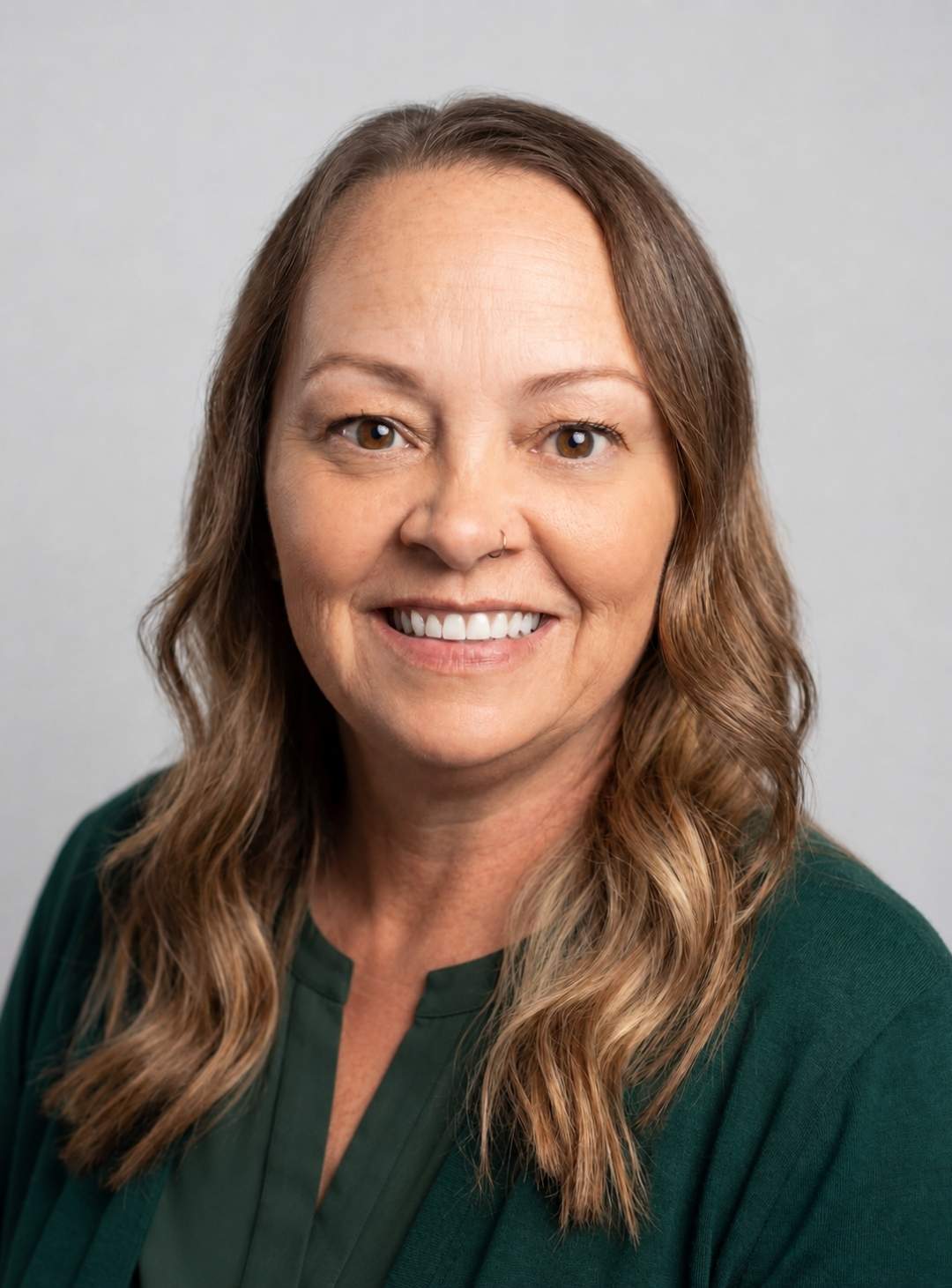
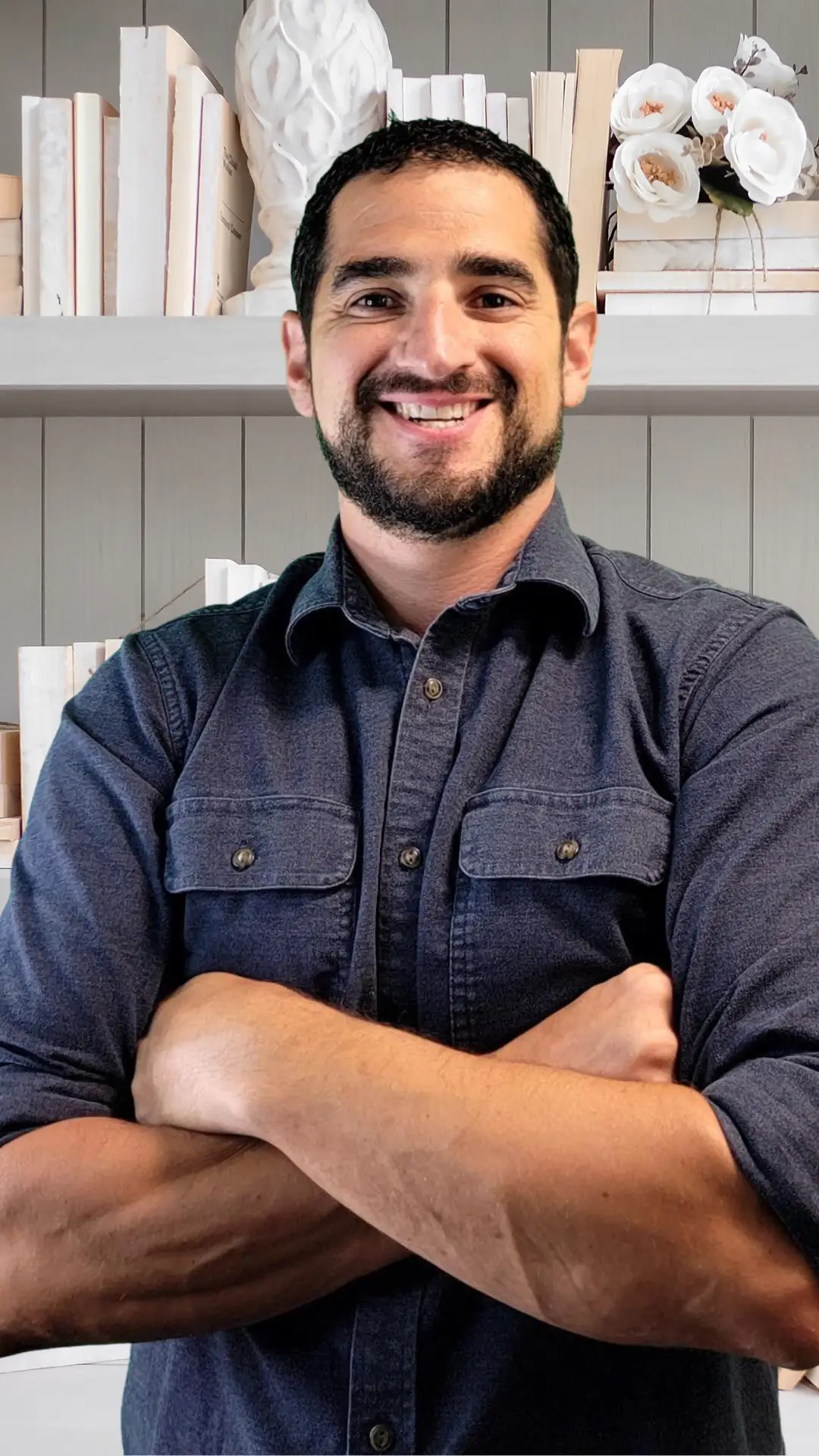
Clinicians, admissions staff, leadership, and the faces clients will actually see. We capture warmth on purpose: professional photos of staff create a personal connection with potential clients before the first call, and a portrait like that does more than a page of credentials. Clients choose people they can see; we make sure your people are visible in the story.
We capture group rooms in use, the kitchen at breakfast, art on the walls, the small signs of ordinary life that let clients picture themselves inside your programs. These frames answer the question every family is silently thinking: what will an ordinary Tuesday feel like here, and will the people around me feel like friends. Specific beats staged: real days create real trust, every time, because community is visible when it is real.
Recovery is the story, and hope is the subject. We create images that carry resilience without a single staged tear: for example, sunrise over the center, a full circle of chairs, hands on a guitar, and capture the moment a door opens. Photography can showcase the hope of recovery as it really looks, and real hope is what makes a person pick up the phone.
Photographing addiction treatment carries duties most photography never has to think about. We create non-stigmatizing images: no glamorization of drugs or alcohol, no staged despair, no imagery that could trigger a person in recovery, and never a photo of clients without written consent, which is why our shoots feature staff, spaces, and models or alumni volunteers who choose to be seen. Powerful images capture what addiction costs and what recovery restores, but the standard is dignity: show the reality, protect the person, and let hope, not shock, do the persuading. Your center's compliance officer reviews the plan before the camera ever arrives.
The process is simple. Discovery first: your programs, your brand, and the shot list we create with your team so nothing that should matter is missed and no clients are disturbed. Then the shoot: a professional photographer on site for one to two days, walking the treatment center at the right light to capture it faithfully, directing gently, and working around care instead of interrupting it. Then the edit: color, consistency, and selection, delivered as a full library of photographs sized for web, ads, print, and social. Your center owns every frame from the moment of delivery, and reshoots are planned seasonally so the library grows with you and continues to enhance every channel it feeds.
A library of photos is infrastructure, and we create it to feed everything: your center's website and its landing pages, Google Business Profile, paid ads that need creative your competitors cannot copy, social calendars that stay authentic for months, brochures for referral partners, and the video shoots that pair with the photos. The same day often serves both photo and video teams, which is one more reason one partner beats four vendors. Photos enhance every channel they touch, and they work hardest where design and video work with them:
Because we photograph addiction treatment only, and it shows. A generalist photographer can make a building look nice; a behavioral health team knows why the intake office and the light in the hallway matter, which rooms showcase the story, what cannot be shown, and how to make a center's environment feel like hope instead of a hotel. Every shoot is planned by people who market treatment centers all day and understand what the images must do after delivery.
And because exclusivity protects the work: one treatment center per market, per level of care, and we confirm your market is open before we partner. Your photos, your library, and your story belong to you from day one, and we create every image to enhance the same system: the website, the ads, and the admissions conversations that follow.
Scope drives it: center size, one day or two on site, staff portrait counts, and whether video is paired with the shoot. We quote a flat project fee after the audit, and the money math is friendly: a full library typically costs less than a single admission and keeps working across every channel for years.
Not without written consent, and usually not at all. Our shoots feature staff, spaces, and real moments, with models or alumni volunteers who choose to be seen standing in where clients would otherwise appear. Privacy is not a constraint we work around; it is the idea the whole shoot is designed on, and your center's compliance officer approves the plan first.
Because families recognize them, read them as signs you are hiding something, and conclude you would rather rent a feeling than document a real one. Professional photos showcase what your center offers that no competitor can copy: your actual spaces and your actual people. Trust is the product on a treatment center website, and borrowed images cannot build trust the way your own can. That is the difference stock never closes. Stock still has a place as a careful stopgap while your library is being built; it should just never be the destination.
Come as you are, genuinely. For example: real scrubs, real badges, the spaces as clients see them. We send a simple prep guide covering wardrobe, rooms, and timing, and the photographer directs warmly on the day, so nobody needs to perform. The best photos are the ones where your people forgot the camera was there.
A full edited library, typically a diverse range of 150 to 400 photos depending on scope, sized for web, ads, social, and print, delivered with usage guidance. Your center owns every image outright from delivery, forever: no licensing meters, no per-use fees, no hostage files. If a photographer wants to keep your rights, walk away.
That is exactly how we plan it: we create the shot list from the pages, campaigns, and calendars the images will feed, so one shoot can showcase your center across the website, the ads, the Google Business Profile, and months of social. Photos and video often share the same days on site, which stretches the budget further.
We do not photograph substances, paraphernalia, or staged relapse imagery, ever. The story we document is addiction treatment and recovery, not the wreckage, because photos that dramatize use can trigger the exact clients your center exists to help. Hope converts better than shock, and it is also simply the right way to photograph this work.
A seasonal or annual refresh keeps the library current as your center's staff, spaces, and programs change, and each refresh helps enhance rankings, ads, and social alike. Most partners start with a foundational shoot, then bring the photographer back for a lighter update each year, so the story stays current without repeating the full investment.
Your Facility, Your People, Your Story
Thirty minutes with Adam, a live look at the imagery on your website against the standards on this page, and a read on whether photography is your next dollar or your third. If your market is closed at your level of care, we tell you on the call.
One treatment center per market, per level of care.


Written by Adam Vibe Gunton, Founder and Managing Partner of Behavioral Health Partners.
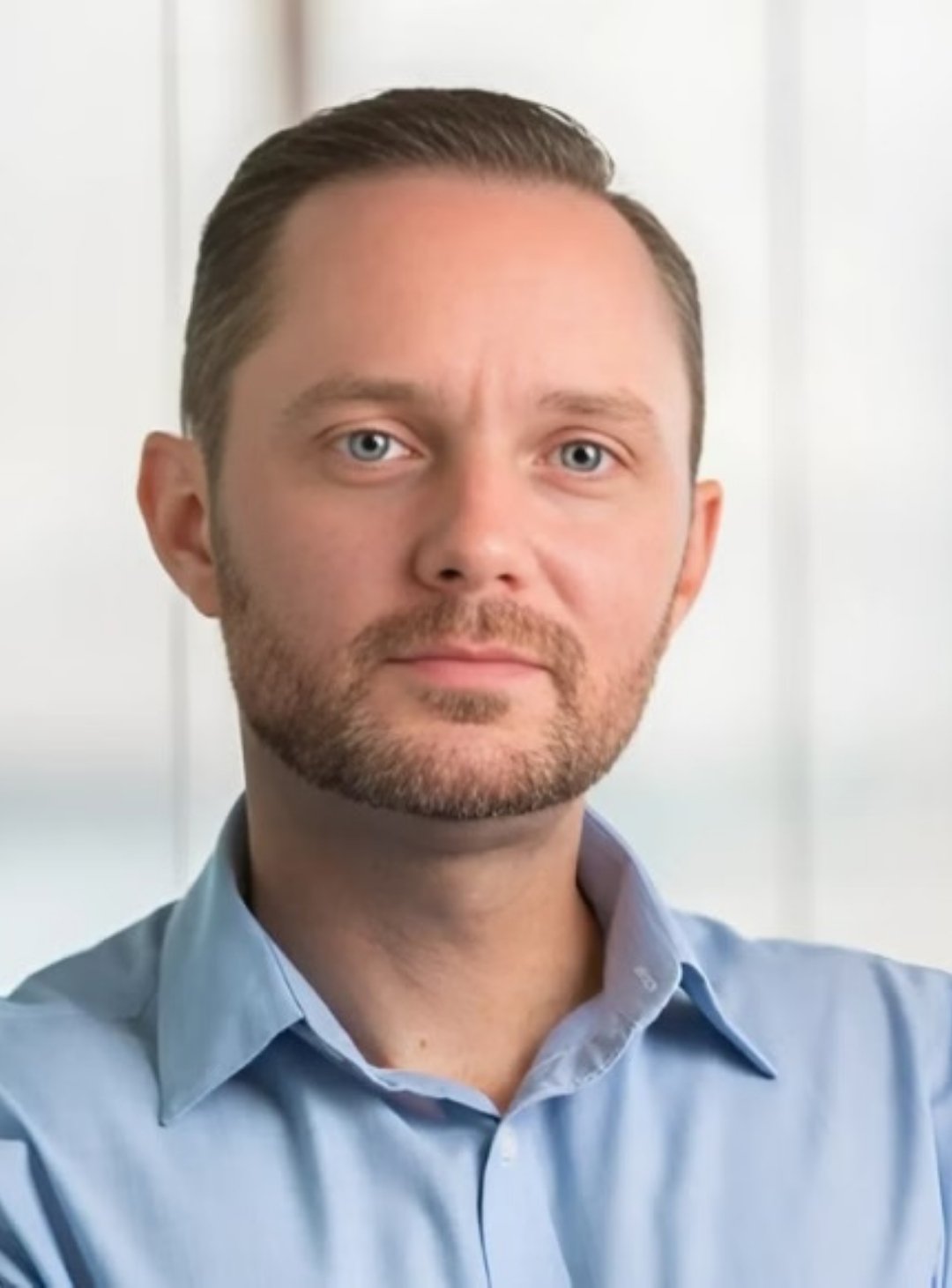
Reviewed by Trevor Huster, Creative Partner at Behavioral Health Partners.
Adam Vibe Gunton is an addiction recovery expert, entrepreneur, marketer, brand strategist, and speaker dedicated to advancing the behavioral health industry. As Founder and Managing Partner of Behavioral Health Partners, he has worked across treatment-center development, operations, branding, PR, SEO, advertising, and growth strategy. Combining professional experience with his own lived experience in recovery, Adam brings a unique perspective on how treatment organizations can build trusted brands, reach more people, and create a greater impact.
Trevor Huster is Creative Partner at Behavioral Health Partners, where he leads video production for treatment centers nationwide. A lifelong video and music producer and former member of the band The Samples, Trevor spent years as Creative Director for megachurches, directing services for tens of thousands of viewers. Since 2016, he and Adam have produced recovery-focused video content built to reach people who feel lost and broken.
Last updated September 25, 2026