Schedule Your Free Initial ConsultSchedule Your Free Consult

Google Ads and Meta for Mental Health Programs · Behavioral Health Only

Mental Health Advertising

Compliant campaigns that carry the census while the rankings mature

Behavioral Health Partners works only in behavioral health. Mental health advertising, the way we do it, means running Google and Meta campaigns for your program inside the platforms' healthcare policies and HIPAA, with landing pages built for each level of care and call tracking that tells you which campaign produced which scheduled assessment. We run search ads, Performance Max, Meta ads, and remarketing, build the landing pages, and manage the handoff to admissions, for residential, PHP and IOP, adolescent, eating disorder, interventional psychiatry, and virtual programs.

What mental health ads decide

Whether the phone rings this week: advertising is the only channel that produces calls before the organic work matures, and the only one that stops the day the budget does

Whether the program stays inside the rules: Google's healthcare policies, Meta's health and wellness restrictions, and HIPAA all apply to every campaign

40 to 543 organic calls per month in 12 months for one center, which is why we treat ads as the bridge and search as the foundation

3 to 30 active clients in five months for an outpatient center, from owned assets rather than a bigger ad budget

Real client data. We show the screenshots, not stock charts.

google.com/search?q=drug+rehab+near+meB
Search ConsoleBusiness ProfileAnalyticsGoogle AdsAdmissions CRM
B
AllMapsImagesNewsVideosMore

About 41,300,000 results (0.48 seconds)

#1 · Where our clients rank
Your Treatment Centeryourtreatmentcenter.com › admissions

Detox & Residential Treatment, Admissions Open Today

Joint Commission accredited. Insurance verified in minutes. Speak with a real admissions counselor now, 24 hours a day ...

People also ask

How do I find a drug rehab near me?

Does insurance cover alcohol detox?

How long does inpatient rehab take?

B
AllMapsImagesNewsVideosMore

About 41,300,000 results (0.48 seconds)

SponsoredDdirectory-site.com › listings

Top 10 Rehab Centers Near You | Compare Options

Paid directory listing, updated monthly. Compare centers by location and price.

Yyourtreatmentcenter.com › admissions

Detox & Residential Treatment, Admissions Open TodayOur client

★★★★★ Rating: 4.9 · 212 reviews

Joint Commission accredited. Insurance verified in minutes. Speak with a real admissions counselor now, 24 hours a day.

AdmissionsDetoxInsuranceTake a Tour

Places near you

Your Treatment Center4.9 ★ (212) · Open 24 hours

Competitor Recovery4.3 ★ (48) · Closes 5 p.m.

Regional Behavioral Health4.1 ★ (26) · Closes 5 p.m.

Front Range Detox Center3.9 ★ (61) · Open 24 hours

1Your Treatment Center4.9 ★ (212) · Open 24 hours · Detox, Residential
2Competitor Recovery4.3 ★ (48) · Closes 5 p.m.
3Regional Behavioral Health4.1 ★ (26) · Closes 5 p.m.
4Front Range Detox Center3.9 ★ (61) · Open 24 hours
5Summit Counseling Group4.2 ★ (19) · Closes 6 p.m.
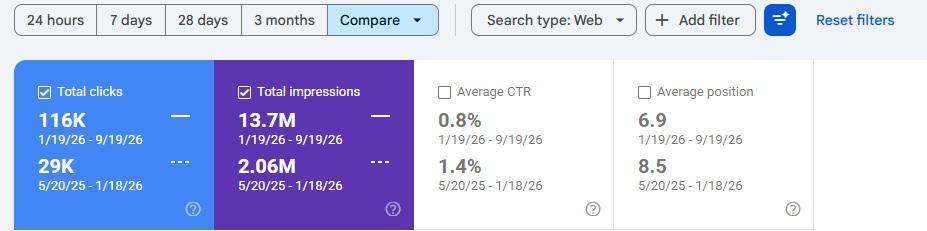
Google Search Console for a detox and inpatient center: organic clicks 29,000 to 116,000 across equal 244 day periods
+300%Organic clicks, 244 days
8.5 to 6.9Average position
+232%Calls

Top queriesClicksPosition

detox near me1,2841.4

rehab that takes my insurance9462.1

inpatient treatment near me7313.0

iop program near me5284.2

Real client data. We show the screenshots, not stock charts.

Verifiable Results Only

What Is Mental Health Advertising?

Mental health advertising is the paid half of putting a program in front of the families searching for it: Google Ads for the searches a parent or spouse makes tonight, Meta ads for the audiences a program is allowed to reach, and remarketing for the people who visited a program page and did not call. It is one lane inside mental health marketing services, and it is the lane that moves fastest and costs the most, which is why it has to be run with discipline.

Advertising mental health services is not like advertising anything else. Google's healthcare and medicines policies apply to every mental health advertiser, and its addiction services certification applies the moment a program advertises substance use treatment alongside mental health care. Meta's health and wellness restrictions limit which events and audiences a program can use. Neither platform signs a business associate agreement, so conversion tracking has to be configured so no protected health information ever reaches them. A campaign that ignores any of that gets paused, or worse, and the program pays for the lesson.

We built centers of our own and dozens across the country, and we ran the ads for them. The lesson that stuck: paid search is a bridge. It carries the census while the organic work matures, and the entire goal of the campaign is to have that window of calls until the rankings own it. A program that rents its admissions forever never gets to keep them.

What we run for a program

Google search ads for condition, level-of-care, and insurance searches, by city or state

Performance Max and remarketing, configured without protected health information

Meta ads inside the health and wellness restrictions

Landing pages by level of care with click-to-call and a short form

Call tracking and a HIPAA-compliant CRM, reported in scheduled assessments

Every campaign reports into the same number: admissions from ads.

Why We Call Ads the Bridge, With the Numbers

Every number below comes from an active Behavioral Health Partners client and a live account: call tracking, Google Search Console, or Google Business Profile. We show the screenshots on the audit call.

+621%

Organic clicks in 90 days, 1,020 to 7,360, for a center whose ads were carrying the census while the pages were built

4.3 to 4.8

Google rating in 30 days for a private women-only residential facility; the rating is the first thing a family checks after clicking an ad

40 → 543: Organic calls per month in 12 months for one center, with every paid-ad-sourced call stripped out of the count

3 → 30: Active clients in five months for an out-of-network outpatient center, from owned assets rather than a bigger ad budget

Client · Treatment Center

40 → 543

organic calls per month, paid calls stripped out

A center that began marketing in December 2024 took 40 organic calls in its launch month and 543 organic calls per month a year later. Calls, forms, and texts, with every paid-ad-sourced call removed from the count. That is what the bridge is for: the ads carried the first months, and the organic foundation took over.

Call tracking data · March 2025 to February 2026

Client · Outpatient Center

3 → 30

active clients in five months

An out-of-network outpatient center started with a census of three. Five months later it had 30 active clients, and the growth came from owned pages, profiles, and reviews with advertising used only where it paid. Joseph Basta, CFO, New Chapter Faith Based Recovery, is the attributed source.

Attributed testimonial · census data

The gap

Most mental health programs that have tried advertising have a story about the calls stopping the day the budget did. That is not an advertising failure. It is what happens when ads are the foundation instead of the bridge.

Why Mental Health Ads Are Nothing Like Other Ads

Three rules decide whether a program's campaigns run, convert, and stay compliant, and most generalist agencies learn them the expensive way.

The platforms set the terms

Google's healthcare and medicines policies govern what a mental health ad can say and which pages it can land on, and Google's addiction services certification applies if the program advertises substance use treatment. Meta's health and wellness restrictions limit the events a campaign can optimize for and the audiences it can build. We build every campaign inside those rules so it keeps running.

HIPAA governs the tracking

Neither Google nor Meta signs a business associate agreement, so pixels, conversion events, and remarketing lists have to be configured so no protected health information reaches either platform. Form fields, call recordings, and CRM syncs follow the same rule. A campaign that reports a scheduled assessment back to a platform with the caller's name attached is a liability, not a win.

The searcher is scared

A parent searching adolescent depression treatment at midnight is not comparing offers. They are deciding, in seconds, whether a program sounds like a place that would take their call seriously. Ad copy uses compassionate language, lands on a page that answers the two questions a family asks first, and never dramatizes. Compassion converts; hype gets reported.

Mental Health Google Ads and Meta Campaigns: What We Actually Run

Advertising for mental health programs is a campaign architecture problem before it is a bidding problem. Here is what we build, one campaign per search and audience a program can admit from.

01

Google search campaigns by level of care

Residential mental health treatment, PHP, IOP, adolescent programs, and virtual care each get their own campaign, keyword set, and landing page, by city or by licensed state. Condition searches, depression treatment, anxiety treatment, eating disorder treatment, run alongside, matched to the programs that treat them.

02

Insurance and cost campaigns

Does insurance cover residential mental health treatment and how much does PHP cost are high-intent searches made right before the call. A campaign per major payer the program accepts, landing on the matching insurance page, catches them.

03

Meta ads inside the restrictions

Mental health Facebook ads and Instagram ads reach families and referral sources with the clinicians, the setting, and the program's story, built inside Meta's health and wellness restrictions and never optimized on an event that would carry protected health information.

04

Remarketing without PHI

People who read a program page and did not call see the program again, through audiences built on page visits rather than anything a form captured. It is the cheapest campaign a program runs and the one most agencies configure wrong.

05

Landing pages built for the call

Each campaign lands on a page that answers do you treat this and can we trust you above the fold: the conditions, the level of care, the clinical team by name, insurance accepted, click-to-call, and a short form an admissions coordinator actually answers.

06

Tracking to the assessment

Every call, form, and text is tracked in the platform your admissions team answers on, matched to its campaign, and reported as inquiries, scheduled assessments, and admissions. Cost per click is context. Cost per scheduled assessment is the number.

Mental Health PPC as the Bridge, Not the Foundation

Most mental health programs that have paid for marketing before paid for ads, and most have the same story: the calls stopped the day the budget did. That is renting. Rankings, profiles, reviews, and program pages are assets the program owns, and they keep producing calls after the invoice is paid. Mental health PPC earns its place by carrying the census during the months it takes to build those assets, and by catching the high-intent searches that the organic pages cannot win yet.

So the plan is always the same. Ads go live in the first weeks, matched to the pages that already exist, while the condition and level-of-care pages get built. As the organic rankings and the map pack take over a search, the campaign for that search gets pulled back and the budget moves to the next gap. Month by month, the share of admissions that come from owned channels grows and the ad budget does the same work for less.

Every campaign is reported in admissions. The monthly report shows cost per inquiry, cost per scheduled assessment, and which campaign produced which admit, next to the same numbers for organic search, so the program can see the bridge doing its job and the foundation taking the weight.

What a program has in hand inside 30 days

Account and policy audit, with every risk to the campaigns named

Campaigns live by level of care, inside the platform rules

Landing pages with click-to-call and a short form

Call tracking and conversion events configured without protected health information

Our promise is 30 days to value: a finished deliverable in your hands inside the first month

On the call

Your free audit. No sales pitch.

We audit your program's online presence, including the paid searches you are bidding on that your own pages could rank for, and walk you through it in a 30-minute call. Then you decide whether to book a second call about working with BHP.

How Much Does Mental Health Advertising Cost?

It depends on the market, the levels of care, and how many competitors are bidding on the same condition searches. Advertising budgets are set separately from our SEO packages, which range in price depending on market, locations, and overall campaign scope, and the ad spend itself is scoped on the second call once we have seen the account and the market. We offer 6-month and 12-month partnership terms, and pricing is quoted on the second call once it is scoped to your program.

How Fast Do Mental Health Ads Produce Calls?

Campaigns that are built inside the platform rules usually produce the first tracked calls inside the first two weeks, which is the point of the bridge. The rest of the timeline belongs to the owned assets: Google Business Profile and reputation work inside 30 days, map pack rankings in 60 to 90 days, competitive organic terms on page one in 4 to 6 months. As each of those takes over a search, the ad budget for it comes down.

How Do You Choose a Mental Health Advertising Agency?

Ask to see live call tracking screenshots from a current mental health client, not a stock chart. Ask whether the agency works only in behavioral health, because a generalist will write ad copy and landing pages your clinical director will not sign off on. Ask how conversion tracking is configured without protected health information, whether the agency has had a client's account paused, and whether it plans to reduce the ad spend as the organic work takes over. A ppc mental health ad agency that wants to grow your budget forever is selling you the rent. And ask whether the agency will tell you when your market is a poor fit. We confirm your market is open before partnering with you, and if your market is taken, we will tell you on the first call.

Where Advertising Fits in the Silo

Advertising is the bridge. Search is the foundation it carries the program toward, and the clinic pages below are where the most specialized campaigns run. Each page carries the same rule this one does: calls are the output, admissions are the point.

Our guarantee

Our 30-Days-To-Value Guarantee

Within 30 days, we'll have your modern, SEO-ready website built for conversions and ready for approval, your social and Google Business profiles optimized, your first business listings ordered, and your review growth strategy delivered. Clear progress you can see. Confidence you've found your long-term agency partner.

FAQs About Mental Health Advertising

The questions program owners and directors ask on the audit call, answered the way we answer them there.

Mental health advertising is the work of running Google Ads and Meta campaigns for a mental health treatment program inside the platforms' healthcare policies and HIPAA, with landing pages built by level of care and call tracking that reports every campaign in scheduled assessments and admissions. It is the paid bridge that carries a program's census while its organic foundation matures.

Yes. Google's healthcare and medicines policies apply to every mental health advertiser, and the program's ad copy and landing pages have to stay inside them. If the program also advertises substance use treatment, Google's addiction services certification applies to those campaigns. Programs that treat mental health conditions only are not in that certification category.

Yes, inside Meta's health and wellness restrictions, which limit the conversion events a campaign can optimize for and the audiences it can build. Mental health Facebook ads work best when they show the clinicians, the setting, and the program's story to families and referral sources, and when the tracking behind them carries no protected health information.

Yes, to the tracking. Neither Google nor Meta signs a business associate agreement, so pixels, conversion events, remarketing lists, form fields, and CRM syncs all have to be configured so no protected health information reaches either platform. We configure every account that way before the first campaign goes live.

Enough to carry the census while the organic work matures, and less every month after that. Budgets are set separately from our SEO packages and scoped on the second call once we have seen the account and the market, because the right number depends on the levels of care, the competitors, and how many searches the organic pages can win on their own.

Because ads produce calls before the rankings exist and stop producing them the day the budget does. A program that treats ads as the foundation rents its admissions forever. We use advertising to carry the census while the condition pages, profiles, and reviews get built, then pull each campaign back as the organic work takes over its search.

Campaigns built inside the platform rules usually produce the first tracked calls inside the first two weeks. The owned assets follow on their own timeline: Google Business Profile and reputation work inside 30 days, map pack rankings in 60 to 90 days, competitive organic terms on page one in 4 to 6 months.

Ask for live call tracking screenshots from current mental health clients, whether the agency works only in behavioral health, how conversion tracking is configured without protected health information, whether any client account has been paused for policy, whether the plan reduces ad spend as organic takes over, how results are reported, and what the partnership terms are.

Your Ads Should Be Building Toward the Day You Need Them Less

Thirty minutes with Adam, a clear picture of where your ad budget is competing with searches your own pages could win, and a plain read on what would move first. If we are not a fit, you keep the strategy.

Behavioral health only. Verifiable results only.

Last updated October 2, 2026

Adam Vibe Gunton

Written and reviewed by Adam Vibe Gunton, Founder and Managing Partner of Behavioral Health Partners.

Adam Vibe Gunton is an addiction recovery expert, entrepreneur, marketer, brand strategist, and speaker dedicated to advancing the behavioral health industry. As Founder and Managing Partner of Behavioral Health Partners, he has worked across treatment-center development, operations, branding, PR, SEO, advertising, and growth strategy. Combining professional experience with his own lived experience in recovery, Adam brings a unique perspective on how treatment organizations can build trusted brands, reach more people, and create a greater impact.

Last updated July 30, 2026