Schedule Your Free Initial ConsultSchedule Your Free Consult

Interventional Psychiatry Marketing · Behavioral Health Only

TMS Clinic Marketing

Fill the chair for 36 sessions, one patient at a time

Behavioral Health Partners works only in behavioral health. TMS clinic marketing, the way we do it, means ranking your clinic for the searches patients and referring psychiatrists make when medication has not worked, advertising it inside the platforms' healthcare policies, and turning that visibility into consultations, insurance authorizations, and completed courses. We build the clinic's pages, the Google Business Profile, clinically reviewed content, compliant Google and Meta campaigns, the referral relationships, and the tracking that shows which searches produced which consultations.

What TMS search decides

A buyer sent by a psychiatrist: most TMS patients have failed two or more antidepressants, and many arrive through a referral that checked the clinic's site before mentioning it

Insurance decides the start date: does insurance cover TMS is the search that happens right before the consultation, and the clinic that answers it books it

+86% organic clicks for a mature property, 11,500 to 21,400, holding average position 5.8 while impressions doubled

4.3 to 4.8 Google rating in 30 days for a residential facility, without asking a single client for a new review

Real client data. We show the screenshots, not stock charts.

google.com/search?q=drug+rehab+near+meB
Search ConsoleBusiness ProfileAnalyticsGoogle AdsAdmissions CRM
B
AllMapsImagesNewsVideosMore

About 41,300,000 results (0.48 seconds)

#1 · Where our clients rank
Your Treatment Centeryourtreatmentcenter.com › admissions

Detox & Residential Treatment, Admissions Open Today

Joint Commission accredited. Insurance verified in minutes. Speak with a real admissions counselor now, 24 hours a day ...

People also ask

How do I find a drug rehab near me?

Does insurance cover alcohol detox?

How long does inpatient rehab take?

B
AllMapsImagesNewsVideosMore

About 41,300,000 results (0.48 seconds)

SponsoredDdirectory-site.com › listings

Top 10 Rehab Centers Near You | Compare Options

Paid directory listing, updated monthly. Compare centers by location and price.

Yyourtreatmentcenter.com › admissions

Detox & Residential Treatment, Admissions Open TodayOur client

★★★★★ Rating: 4.9 · 212 reviews

Joint Commission accredited. Insurance verified in minutes. Speak with a real admissions counselor now, 24 hours a day.

AdmissionsDetoxInsuranceTake a Tour

Places near you

Your Treatment Center4.9 ★ (212) · Open 24 hours

Competitor Recovery4.3 ★ (48) · Closes 5 p.m.

Regional Behavioral Health4.1 ★ (26) · Closes 5 p.m.

Front Range Detox Center3.9 ★ (61) · Open 24 hours

1Your Treatment Center4.9 ★ (212) · Open 24 hours · Detox, Residential
2Competitor Recovery4.3 ★ (48) · Closes 5 p.m.
3Regional Behavioral Health4.1 ★ (26) · Closes 5 p.m.
4Front Range Detox Center3.9 ★ (61) · Open 24 hours
5Summit Counseling Group4.2 ★ (19) · Closes 6 p.m.
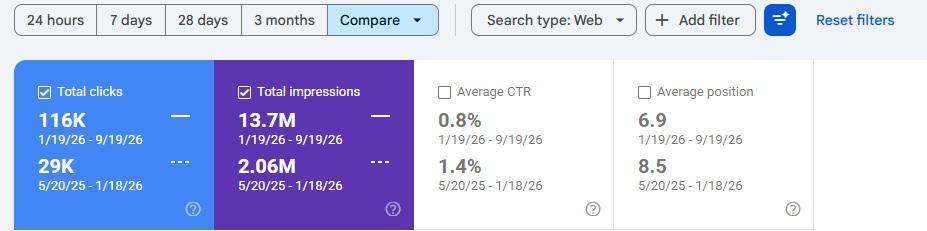
Google Search Console for a detox and inpatient center: organic clicks 29,000 to 116,000 across equal 244 day periods
+300%Organic clicks, 244 days
8.5 to 6.9Average position
+232%Calls

Top queriesClicksPosition

detox near me1,2841.4

rehab that takes my insurance9462.1

inpatient treatment near me7313.0

iop program near me5284.2

Real client data. We show the screenshots, not stock charts.

Verifiable Results Only

What Is TMS Clinic Marketing?

TMS clinic marketing is the work of ranking a transcranial magnetic stimulation clinic for the searches made by the people who can become its patients: TMS therapy plus city, TMS for depression, does insurance cover TMS, TMS vs medication, and the questions a psychiatrist or primary care office asks before referring someone who has not responded to antidepressants. It is one lane inside the work of a mental health marketing company, and it is the lane with the longest commitment on the patient's side: a standard course is daily sessions over roughly six weeks, so the clinic has to earn trust before the first one.

TMS therapy marketing has its own rules. TMS is FDA-cleared for major depressive disorder and several other indications, and insurance plans generally cover it for depression after a documented history of medication trials, so the clinic's pages have to be accurate about who qualifies, what the course involves, and how authorization works. Google's healthcare and medicines policies govern the ads, Meta's health and wellness restrictions limit targeting, and HIPAA governs the tracking behind every form and call. A clinic that overstates outcomes loses its campaigns first and its referring psychiatrists second.

We built centers of our own and dozens across the country, and we know what a TMS clinic's site has to show before a patient or a referring clinician trusts it: the psychiatrist and technicians by name, the device and the protocol, who is and is not a candidate, what insurance covers and how authorization works, and a path to a consultation that answers the same day. Marketing for TMS clinics that skips any of those is selling clicks, not courses.

The searches we own for a clinic

TMS therapy, TMS treatment, and transcranial magnetic stimulation plus city or state

TMS for depression, TMS for OCD, and treatment-resistant depression searches

Does insurance cover TMS, TMS cost, and the authorization questions

TMS vs medication, TMS vs ketamine, and TMS side effects, the comparison searches made before a consultation

The referral questions psychiatrists and primary care offices search before they refer

Every search reports into the same number: scheduled consultations from search.

Real Results, Not Stock Charts

Every number below comes from an active Behavioral Health Partners client and a live account: Google Search Console, Google Business Profile, or call tracking. We show the screenshots on the audit call.

+86%

Organic clicks for a mature property, 11,500 to 21,400, holding average position 5.8 while impressions doubled

+263%

Organic clicks in 90 days, 568 to 2,060, for a center that was nearly invisible 90 days earlier

4.3 to 4.8

Google rating in 30 days for a private women-only residential facility, without asking a single client for a new review

13.6x

Organic calls in 12 months, 40 in launch month to 543 per month, every paid-ad call stripped out

Client · Treatment Center

568 → 2,060

+263% organic clicks in 90 days

A center that was nearly invisible 90 days earlier moved from average position 15.1 to 11.9 while impressions rose from 87,700 to 320,000. The work was the same architecture a TMS clinic needs: a page per search, the clinical team by name, and insurance answered plainly.

Live Search Console data · last 90 days versus the previous 90

Client · Private Residential Facility

4.3 → 4.8

Google rating in 30 days

Policy-violation review removals and a review campaign with no incentives and no gating took the rating from 4.3 to 4.8 stars in 30 days, without asking a single client for a new review. For a TMS clinic asking a patient to commit to 36 sessions, the rating is the first credential they check.

Google Business Profile data · 30 day window

The gap

Most TMS clinics have one page that says TMS therapy and a device logo. The TMS for depression, does insurance cover TMS, and TMS near me searches in their city go to the device manufacturers' locators and the national chains, and the referring psychiatrist never finds the clinic at all.

Why Marketing a TMS Clinic Is Different

Three things are true of TMS search in every market we have audited, and they decide how a clinic gets marketed.

The referral is half the funnel

A large share of TMS patients arrive because a psychiatrist or primary care office suggested it after medications failed. Those clinicians check the clinic's site before they refer: who runs it, what device, what protocol, what the authorization process looks like. A referral page and a clinician to call earn those patients; a device logo does not.

Insurance decides the start date

TMS is generally covered for depression after a documented history of medication trials, and the authorization process decides whether a consultation becomes a course. Does insurance cover TMS is the search that happens right before the call, and the clinic that answers it plainly, by payer, with the authorization steps, books the consultation.

The commitment is 36 sessions

A patient is choosing a clinic they will visit daily for roughly six weeks. Location, hours, parking, the technicians they will see every day, and what a session is actually like decide the choice as much as the clinical credentials do. The pages have to show the experience, not just the outcomes language.

TMS Clinic Marketing: the Pages That Rank

TMS marketing is a page architecture problem before it is a keyword problem. Here is the architecture we build for a clinic, one page per search a patient or a referring clinician makes.

01

The TMS therapy page

The money page for TMS therapy and transcranial magnetic stimulation searches in your city: the device, the protocol, the course length, who is a candidate, what a session is like, the psychiatrist by name, and how a consultation starts. Written for the patient and the referring clinician both, reviewed by the medical director, structured for search engines and AI engines.

02

Condition pages

TMS for depression, TMS for OCD, and treatment-resistant depression are the searches with the most intent. One page per indication the clinic treats, accurate about what the clearance and the evidence support, written for the person who has already failed medication.

03

Insurance and authorization pages

Does insurance cover TMS, TMS cost, and the authorization steps by payer. A page per major payer the clinic accepts and a plain cost page for patients without coverage rank on their own and answer the question that decides the start date.

04

Comparison pages

TMS vs medication, TMS vs ketamine, TMS vs ECT, and TMS side effects are searched by nearly every patient before a consultation. Plain, clinically reviewed comparison pages catch those searches and keep the patient on the clinic's site instead of a directory's.

05

Google Business Profile and the clinic location page

A claimed profile with the right categories, real photos of the treatment room, hours that match the session schedule, and reviews handled inside privacy limits, plus a location page that mirrors it. This is what puts the clinic in the map pack for TMS therapy near me.

06

Referral pages for psychiatrists and primary care

A page that tells a referring clinician exactly how to refer, what the clinic needs, how authorization is handled, and how the patient is communicated back, with a named contact. This is what earns the referrals the device locators cannot, and what AI engines cite when a patient asks which clinic is credible.

TMS Marketing Beyond the Rankings

Rankings win the shortlist. The rest of TMS marketing turns the shortlist into a scheduled consultation and a completed course. Compliant TMS advertising comes first for clinics that need patients before the organic work matures: Google search campaigns for TMS therapy and insurance searches, built inside Google's healthcare and medicines policies, and Meta campaigns inside the health and wellness restrictions, landing on pages that answer the patient's questions above the fold. Paid search is a bridge to the organic foundation, never the foundation itself.

Reputation carries unusual weight for a TMS clinic, because the patient is committing to daily visits with people they have never met. Rating, recency, and reply cadence are managed inside privacy limits, and no review is ever incentivized. The referral network runs alongside: psychiatrists, primary care offices, and therapists check the same pages a patient does before they refer, and a clinic with a referral page and a named contact earns the referrals a device locator cannot.

Every call and form is tracked in the platform your front desk answers on, and the CRM is configured so no protected health information reaches an ad platform. TMS clinic marketing reports in scheduled consultations, authorizations, and completed courses, not impressions. That is the number on the monthly report.

The TMS clinic marketing stack

TMS, condition, insurance, and comparison page architecture

Google Business Profile and the map pack

Compliant Google and Meta advertising

Reviews and reputation inside privacy limits

Referral pages for psychiatrists and primary care

Call tracking, reported in scheduled consultations

On the call

Your free audit. No sales pitch.

We audit your clinic's online presence, including which TMS and insurance searches you rank for today and which ones the device locators and chains own, and walk you through it in a 30-minute call. Then you decide whether to book a second call about working with BHP.

How Long Does TMS Clinic Marketing Take to Work?

Google Business Profile and reputation work usually moves inside 30 days, and for a clinic with one location that is where the first new consultations come from. Map pack rankings for TMS therapy plus city typically begin shifting in 60 to 90 days. Competitive organic terms, TMS for depression and does insurance cover TMS in a metro, usually stabilize on page one in 4 to 6 months, and the comparison and referral content keeps compounding after that. Advertising fills the gap for clinics that need patients now. Our promise is 30 days to value: a finished deliverable in your hands inside the first month.

How Much Does TMS Clinic Marketing Cost?

It depends on how many locations the clinic runs, whether it also offers ketamine or Spravato, and how many chains and device locators are competing for the same searches in its market. Our SEO packages range in price depending on market, locations, and overall campaign scope, and advertising budgets are set separately once the organic plan is scoped. We offer 6-month and 12-month partnership terms, and pricing is quoted on the second call once it is scoped to your clinic.

How Do You Choose a TMS Marketing Company?

Ask to see live Search Console and call tracking screenshots from a current clinic client, not a stock chart. Ask whether the company works only in behavioral health, because a protocol page written by a generalist will describe treatment in ways your psychiatrist will not sign off on. Ask how advertising stays inside Google's healthcare policies, how conversion tracking is configured without protected health information, and whether the plan includes referral pages for the clinicians who send you patients. And ask whether the company will tell you when your market is a poor fit. We confirm your market is open before partnering with you, and if your market is taken, we will tell you on the first call.

Where TMS Fits in the Silo

TMS clinics sit inside interventional psychiatry, next to ketamine, and most of them need the same search and advertising foundation every mental health program does. Each page below carries the same rule this one does: rankings are the output, scheduled patients are the point.

Our guarantee

Our 30-Days-To-Value Guarantee

Within 30 days, we'll have your modern, SEO-ready website built for conversions and ready for approval, your social and Google Business profiles optimized, your first business listings ordered, and your review growth strategy delivered. Clear progress you can see. Confidence you've found your long-term agency partner.

FAQs About TMS Clinic Marketing

The questions clinic owners and medical directors ask on the audit call, answered the way we answer them there.

TMS clinic marketing is the work of ranking a transcranial magnetic stimulation clinic for the searches patients and referring psychiatrists make when medication has not worked, advertising it inside the platforms' healthcare policies, and turning that visibility into consultations, insurance authorizations, and completed treatment courses. It combines TMS, condition, insurance, and comparison pages, a Google Business Profile, referral pages, compliant campaigns, and call tracking.

Mostly people who have failed two or more antidepressants and are weighing TMS against another medication, ketamine, or ECT, plus the psychiatrists and primary care offices who refer them. Both check the psychiatrist's credentials, the device and protocol, insurance coverage, and the reviews before they contact the clinic.

Yes, inside Google's healthcare and medicines policies, which govern what a medical treatment ad can claim and which pages it can land on. Campaigns that overstate outcomes get paused. We build every campaign inside those rules and have the medical director review the landing pages.

Yes. TMS is generally covered for depression after a documented history of medication trials, and does insurance cover TMS is the search that happens right before the consultation. A page per major payer, with the authorization steps spelled out, is one of the highest-converting pages a clinic can publish.

Because a large share of TMS patients arrive through a psychiatrist or primary care office that checked the clinic's site first. A page that tells a referring clinician how to refer, what the clinic needs, how authorization is handled, and who to call earns referrals that a device locator listing never will.

A claimed Google Business Profile with the right categories, real photos of the treatment room, hours that match the session schedule, and reviews handled inside privacy limits, plus a location page that mirrors it and citations that agree with it. That is what puts the clinic in the map pack for TMS therapy near me, where most local patients start.

Google Business Profile and reputation work usually moves inside 30 days, map pack rankings typically begin shifting in 60 to 90 days, and competitive organic terms usually stabilize on page one in 4 to 6 months. Advertising fills the gap for clinics that need patients sooner. Our promise is 30 days to value.

Ask for live Search Console and call tracking screenshots from current clinic clients, whether the company works only in behavioral health, who clinically reviews the protocol and condition pages, how advertising stays inside Google's healthcare policies, how tracking is configured without protected health information, whether the plan includes referral pages, how results are reported, and what the partnership terms are.

The Psychiatrists in Your Market Are Referring Somewhere Tonight

Thirty minutes with Adam, a clear picture of which TMS and insurance searches your clinic ranks for and which ones the chains own, and a plain read on what would move first. If we are not a fit, you keep the strategy.

Behavioral health only. Verifiable results only.

Last updated October 2, 2026

Adam Vibe Gunton

Written and reviewed by Adam Vibe Gunton, Founder and Managing Partner of Behavioral Health Partners.

Adam Vibe Gunton is an addiction recovery expert, entrepreneur, marketer, brand strategist, and speaker dedicated to advancing the behavioral health industry. As Founder and Managing Partner of Behavioral Health Partners, he has worked across treatment-center development, operations, branding, PR, SEO, advertising, and growth strategy. Combining professional experience with his own lived experience in recovery, Adam brings a unique perspective on how treatment organizations can build trusted brands, reach more people, and create a greater impact.

Last updated July 30, 2026