Schedule Your Free Initial ConsultSchedule Your Free Consult

Organic and Paid Social for Rehab Centers · Proven at 50 Million Reach

Social Media Marketing

For addiction treatment centers

We built one of the most-followed recovery media platforms in the world before we ever sold social media marketing as a service. Through Recovered On Purpose, our founder's nonprofit, recovery content reached as many as 50 million people in a single month and helped thousands find their way into treatment. That same playbook now runs for rehab centers: organic content that builds trust, paid social advertising that finds families, and reporting that counts admissions, not likes, shares, and follower counts.

What Is Social Media Marketing for Addiction Treatment Centers?

Social media marketing for addiction treatment centers is the discipline of earning attention and trust on the platforms where families already spend their time, then converting that trust into treatment calls. It combines an organic social media presence, content built for the addiction recovery space, and paid social advertising that reaches specific demographics, all under the compliance rules that govern the addiction treatment industry. Done well, it meets potential clients before they search, and it makes every other channel in your marketing plan work harder.

The trust engine

Most agencies treat social as an afterthought run by an intern. We treat it as a trust engine, because 88% of the North America population is online and using social media, and the platforms can reach billions with organic content and social media advertising alike. Potential clients and their family members are scrolling tonight. The only question is whose content they find.

50 Million People in One Month: The Proof Behind the Playbook

Before this agency existed, our founder Adam Vibe Gunton built Recovered On Purpose, a nonprofit recovery media platform, from a single story into a movement. At its peak, its recovery content reached as many as 50 million people in a single month and helped thousands of people take their first step toward treatment. No ad budget bought that. It came from authentic recovery stories, shared ethically, on a relentless publishing rhythm.

Adam took that message to the TEDx stage. Watch the talk, then understand what it means for your center: the person building your social strategy has already used social media to move people from scrolling to seeking recovery, at a scale most of the addiction treatment industry has never attempted.

A collage of Facebook reach figures and viral recovery posts from the nonprofit brand Behavioral Health Partners grew, including a month that reached over five million people

Watch: Relapse Prevention Failed: And How WE Can Solve this Crisis Together | Adam Vibe Gunton | TEDxBillings

Seventeen minutes on why the solution to the addiction crisis lives in the community of people who have recovered, and how sharing stories at scale helps people find hope and treatment.

The Reach Nobody Should Ignore

The audience is not hypothetical. Industry data on where families actually spend their attention:

88%

of the North America population is online and using social media

2 billion

people are reachable on Facebook alone

50 million

people reached in one month by our founder's nonprofit recovery content

5%

average conversion rate facilities see on Google Ads landing pages, the benchmark paid social feeds into

Where Social Media Fits in Addiction Treatment Marketing

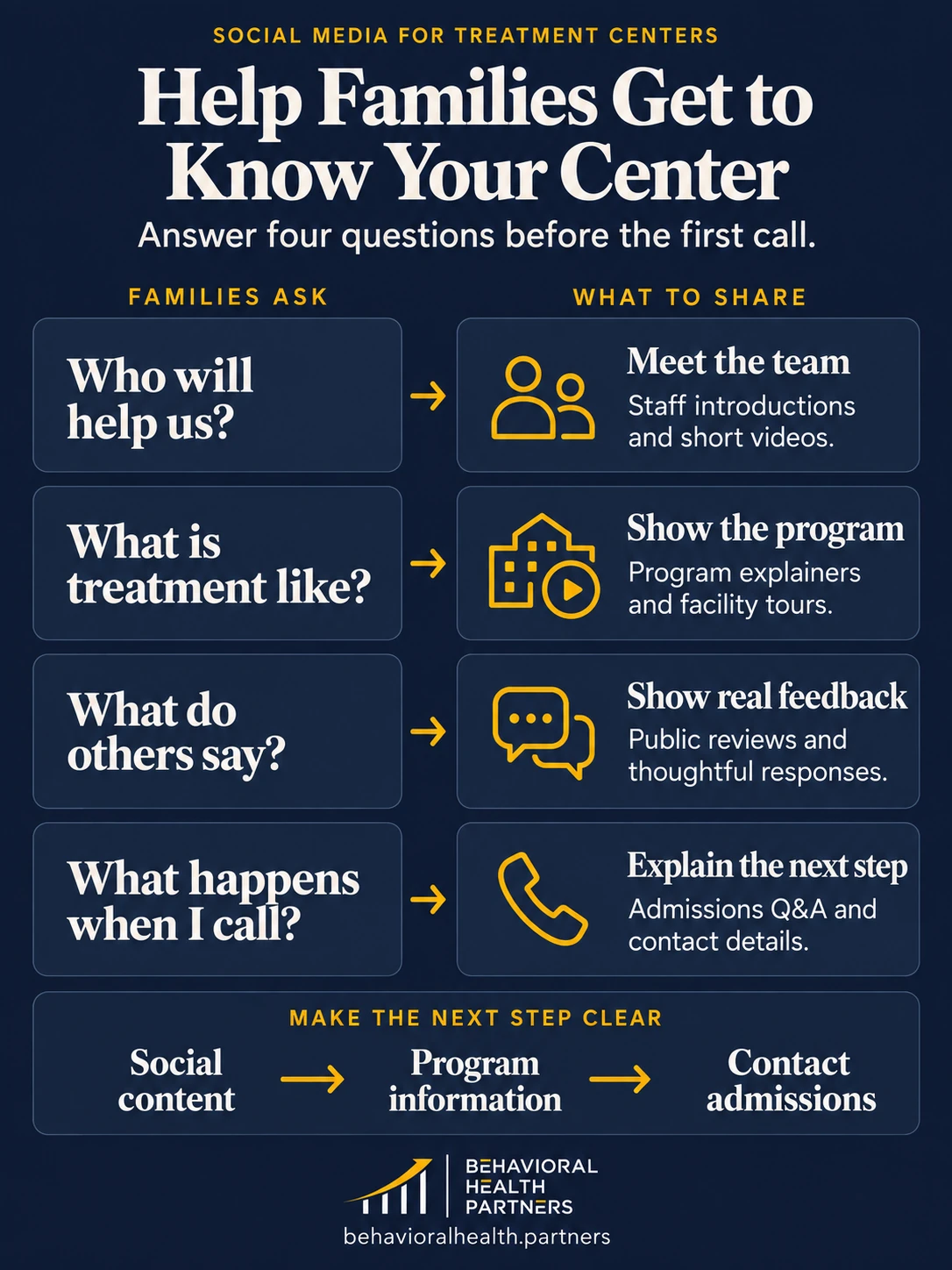
Social media is not a replacement for search; it is the layer that works before search. Families spend weeks watching a treatment center from a distance before anyone picks up the phone: reading comments, watching staff videos, checking whether the reviews and the feed tell the same story. A rehab marketing strategy that skips social leaves that entire evaluation window to your competitors, and it starves every other channel of the trust it needs to convert. That is why a drug rehab marketing strategy that looks complete on paper can still underperform: the trust layer is missing.

Beyond Addiction Conferences: Meet Families Where They Scroll

The traditional drug rehab marketing mix leaned on referral relationships, addiction conferences, and call centers working outreach lists. Those still matter, and social media multiplies them: the referring behavioral health professionals you meet at a conference look up your feed before they send anyone, and the families your admissions team speaks with scroll your page while they are still on the phone. In the digital age, your social media presence is the lobby everyone walks through first, for recovery centers of every size.

Organic Content That Builds Trust in the Addiction Recovery Space

A balanced content calendar mixes educational posts, community events, people, and proof across your social media platforms. Four pillars carry every account we manage:

Client Testimonials and Success Stories, Shared Ethically

Nothing builds credibility like authentic recovery stories, and nothing carries more risk. Every story we publish runs through written consent, HIPAA review, and recovery-centered language that reduces stigma and promotes hope. Success stories shared this way build trust in addiction treatment instead of exploiting it, and they show families what the other side looks like.

Educational Content That Answers Real Questions

Educational content helps individuals seeking treatment and their families make informed decisions about treatment options: what detox actually involves, how insurance works, what to say to someone who is not ready. Valuable information, published consistently, positions your clinical team as the voice families already trust when the moment to choose arrives.

Facility Tours and the People Behind the Program

Facility tours, staff introductions, and day-in-the-life content answer the question every family is silently asking: what will happen to the person I love inside that building. Showing your spaces and your people converts more patients than any slogan, and it gives referring professionals something concrete to share.

Recovery Tips and the Local Community

Recovery tips, alumni milestones from every stage of the recovery journey, and local community events keep your audience engaged between admissions decisions and give people in your area a reason to follow before they ever need you. Social media fosters the sense of community that long-term recovery depends on, and that community remembers who showed up.

Growing an Audience That Trusts You

Follower counts are not the goal; a real audience is. We grow accounts the way we grew Recovered On Purpose: a consistent publishing rhythm, valuable content people actually engage with, and real-time interaction, because social media lets you respond promptly to every comment and message and build relationships that referral sources and families remember. Engaging content increases trust with potential clients long before the first call, and an engaged audience compounds while a purchased one evaporates. Organic is also what makes social media advertising believable when we turn it on.

How an audience actually grows
  • Rhythm a consistent publishing cadence
  • Value content people choose to engage with
  • Response every comment and message answered
  • Ownership an audience that compounds, not one that was bought

Watch: Addiction Treatment Centers Reveal Their Facebook Growth Secret

Five minutes from Adam on optimizing a rehab center business page, posting consistently without sacrificing quality, and building a recovery-focused community instead of collecting vanity followers like digital baseball cards.

Facebook Insights screenshot showing 5,384,762 people reached in a single month on a recovery brand run by Behavioral Health Partners
A recovery meme that earned 33,100 shares on Facebook, from the organic social work behind Behavioral Health Partners

Paid Social Media Advertising in Drug Rehab Marketing

Organic earns trust; paid advertising buys reach. Paid social ads amplify your best content and put it in front of a target audience you define: parents in your admission radius, professionals researching options for a client, or a broader audience in a brand-new market. Social media advertising targets specific demographics with a precision that offline drug rehab marketing never had, and it reaches people before they are actively seeking addiction treatment, which is exactly when families start forming opinions.

It also carries rules. Running paid ads for addiction treatment on Meta requires LegitScript certification, the same vetting Google demands, and every campaign we run passes platform review, privacy review, and claim review before a dollar moves. Effective social media advertising connects individuals seeking recovery with real resources: compelling creative, accurate claims, and landing pages built to engage potential clients and convert. Unlike Google Ads, which captures demand that already exists, social creates the demand and the brand searches that follow.

We run organic and paid as one digital marketing system with your search program, not competing line items. Social media campaigns feed the retargeting pools, the click through rates inform the creative, landing page conversion rates decide the budget, and the whole engine is measured against patient acquisition, not impressions. Social media advertising works when it is accountable to the same numbers as everything else. For search-side paid media, see the sibling practice:

Privacy, Compliance, and Recovery-Centered Language

Privacy is the top priority in every addiction treatment marketing strategy we run. Compliance with HIPAA and platform advertising policies is not a checkbox; it is the difference between marketing that honors your clients and marketing that endangers them. No identifiable client content without written consent, ever. No shame-based creative, because recovery-centered language reduces stigma and promotes hope, and because the platforms classify substance abuse treatment as a restricted category where one bad ad can suspend an account. Your compliance officer gets visibility into everything we publish, a standard most rehab centers never get from an agency.

The standing rules
  • Written consent before any identifiable client content
  • No shame recovery centered language, every time
  • A restricted category one bad ad can suspend the account
  • Full visibility your compliance officer sees everything we publish

Digital Marketing Metrics That Matter: More Patients, Not More Followers

Tracking meaningful outcomes beats counting followers. We monitor core performance signals, engagement and website traffic among them, and we track the metrics that pay for treatment programs: conversion rates, inbound inquiries, and treatment calls attributed to social by call tracking. Analyzing call tracking data shows which posts and which social ads produce admissions conversations, and performance trends guide every content and messaging adjustment we make.

That reporting standard produces invaluable insights and honest conversations: which platforms deserve budget, which content deserves more of it, and whether social is hitting the marketing goals we set together. If a channel is not producing, you will hear it from us first.

What we report
  • Conversion rates not follower counts
  • Inbound inquiries the ones social produced
  • Treatment calls attributed by call tracking
  • The straight read you hear it from us first if a channel is not paying

Content Marketing, Search, and Social: One Engine

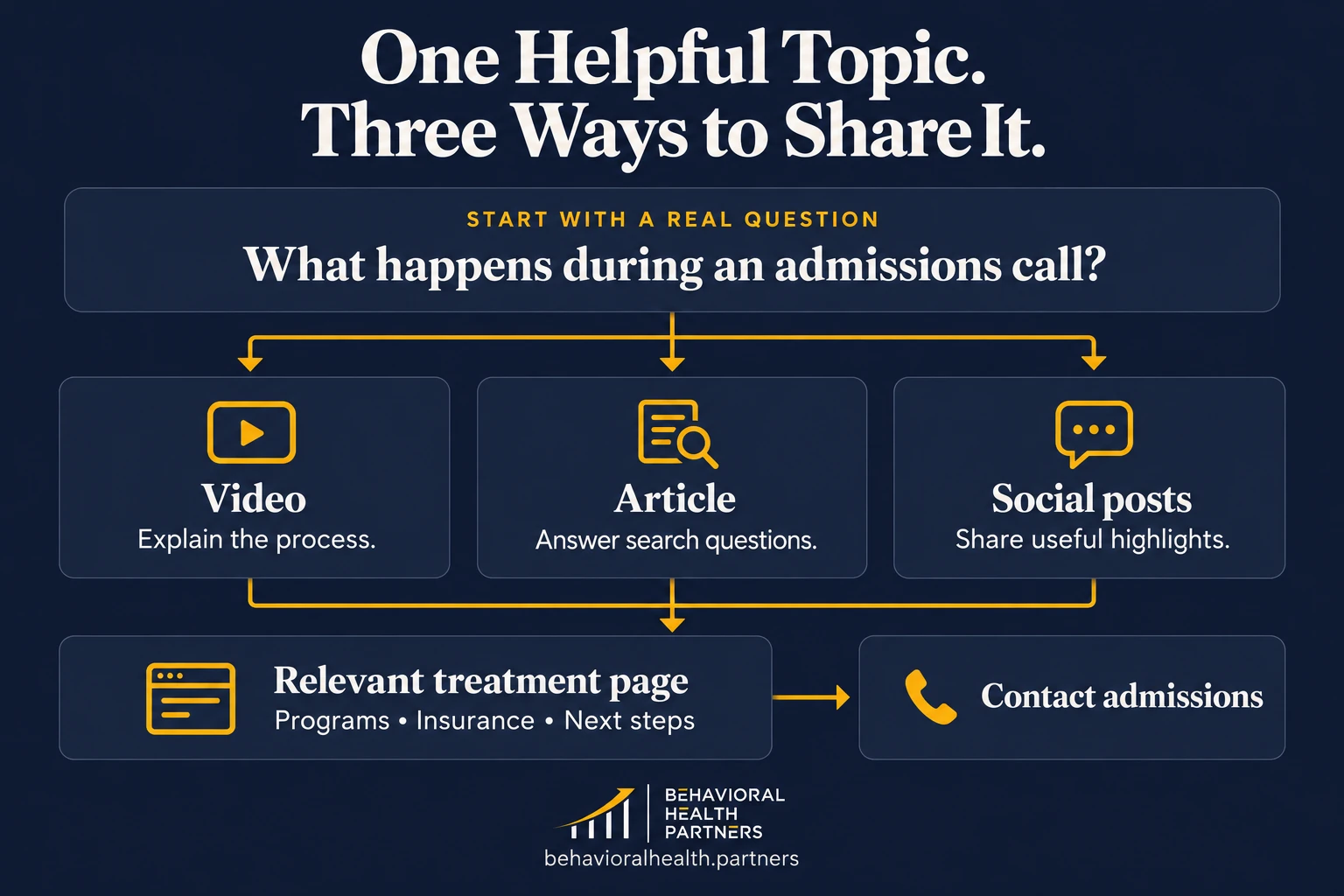
Social does not work in a silo, and neither do we. Every video we produce feeds the feed, every post supports the brand searches that improve your Google search results, and search engine optimization turns social-built awareness into rankings and website traffic that attract more patients. We leverage video marketing across both, and conversion rate optimization makes sure the clicks that land actually convert. One team runs the whole rehab marketing engine:

Why Addiction Treatment Centers Choose Behavioral Health Partners

Because we proved the playbook on our own brands before selling it. The nonprofit reached 50 million people in a month; our agency channels publish weekly; and the marketing efforts we recommend to rehab facilities are the ones we run ourselves, in public, where you can audit them. Most agencies selling drug rehab marketing have never grown an audience of their own.

And because exclusivity protects the work: one treatment center per market, per level of care, and we confirm your market is open before we partner. Your accounts, your content, and your audience belong to you from day one. We serve behavioral health only, our rehab services span the full marketing mix, and we show verifiable results instead of promises.

What you get with BHP
  • Experience you can see Review the marketing we use to grow our own brands.
  • Exclusivity in your market One treatment center per market, per level of care.
  • Accounts and content you own Your accounts and content belong to you from day one.
  • A team focused on treatment Specialized marketing for addiction treatment and behavioral health.

The Team Behind Your Social Strategy

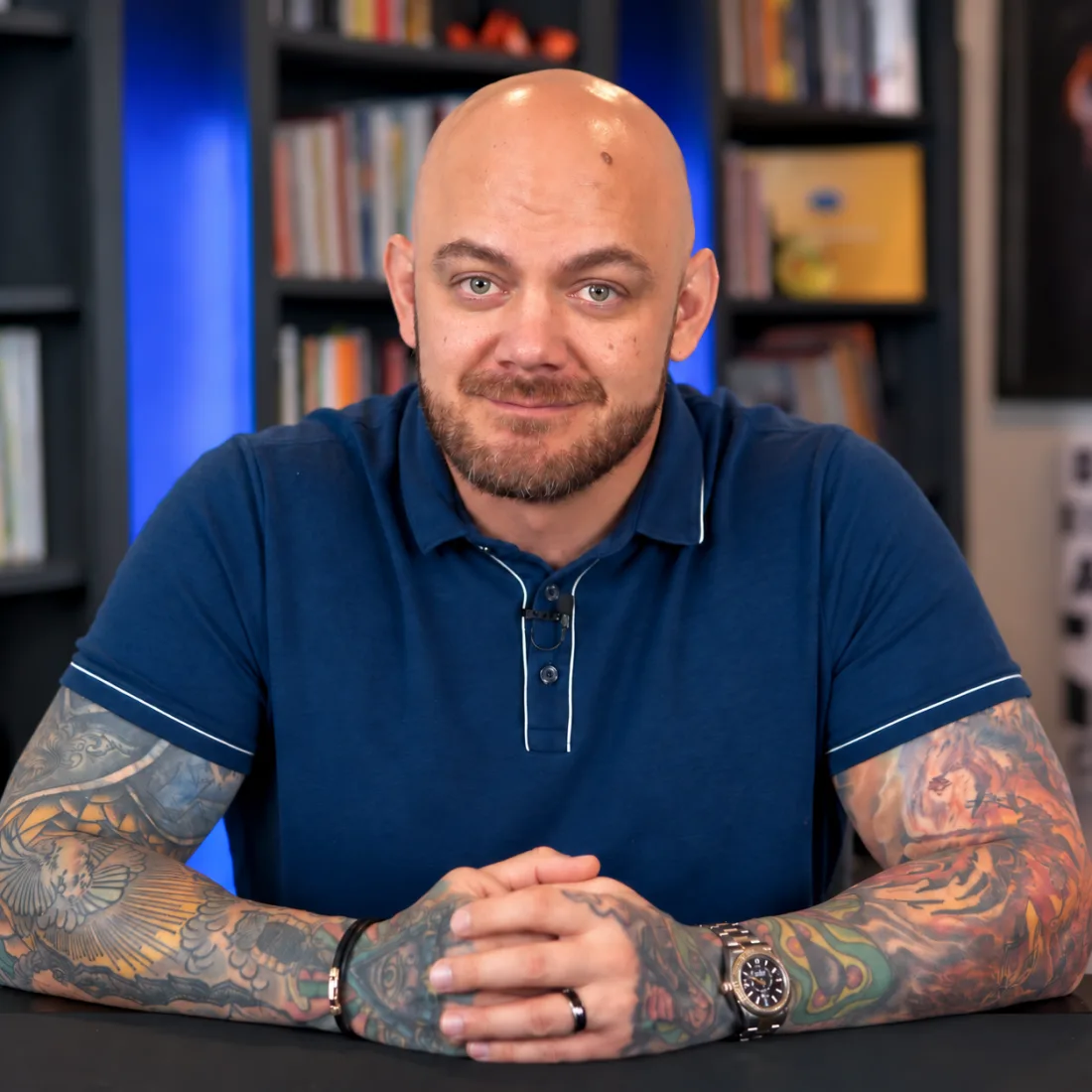
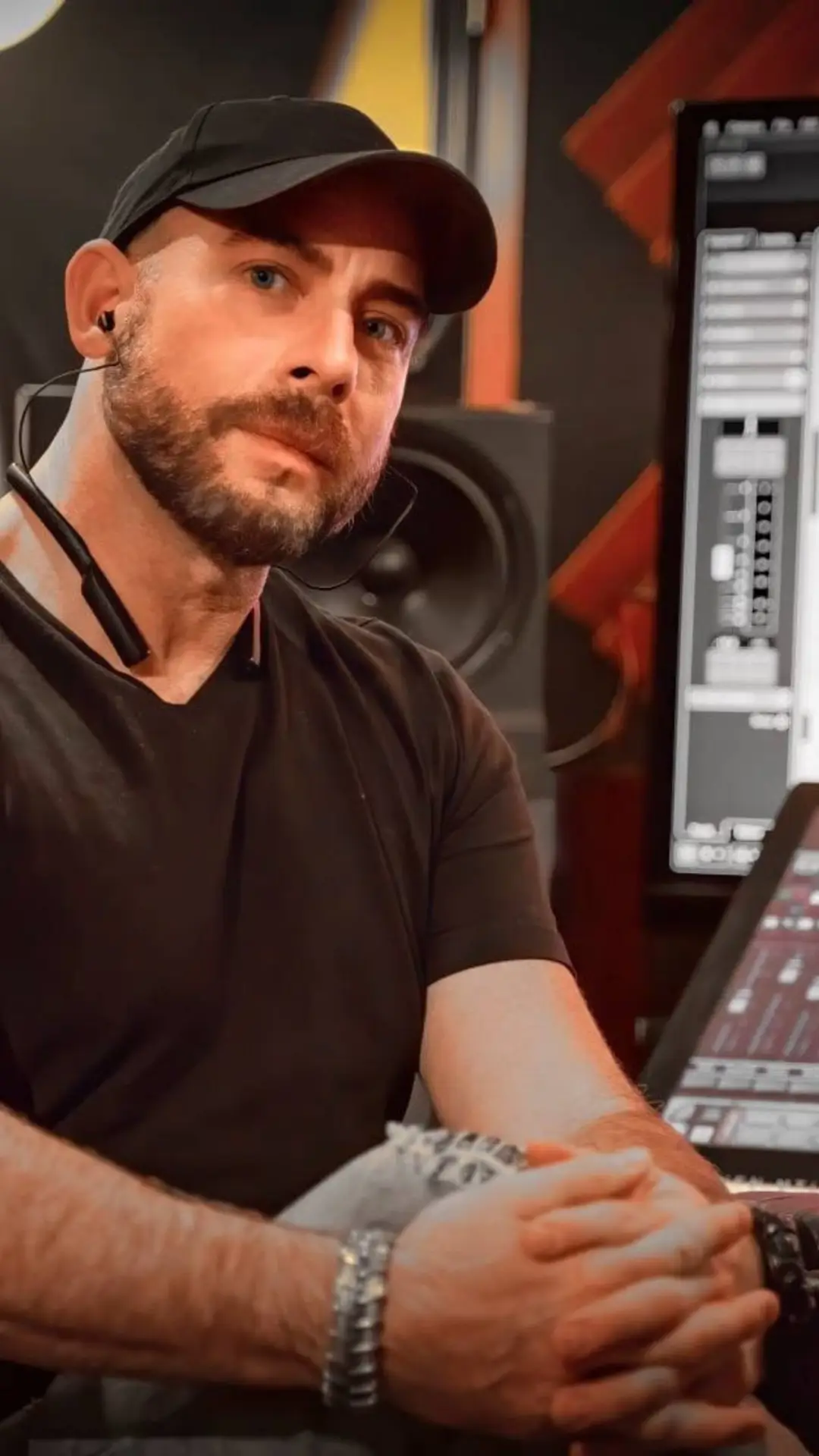
Adam Vibe Gunton Founder & Managing Partner
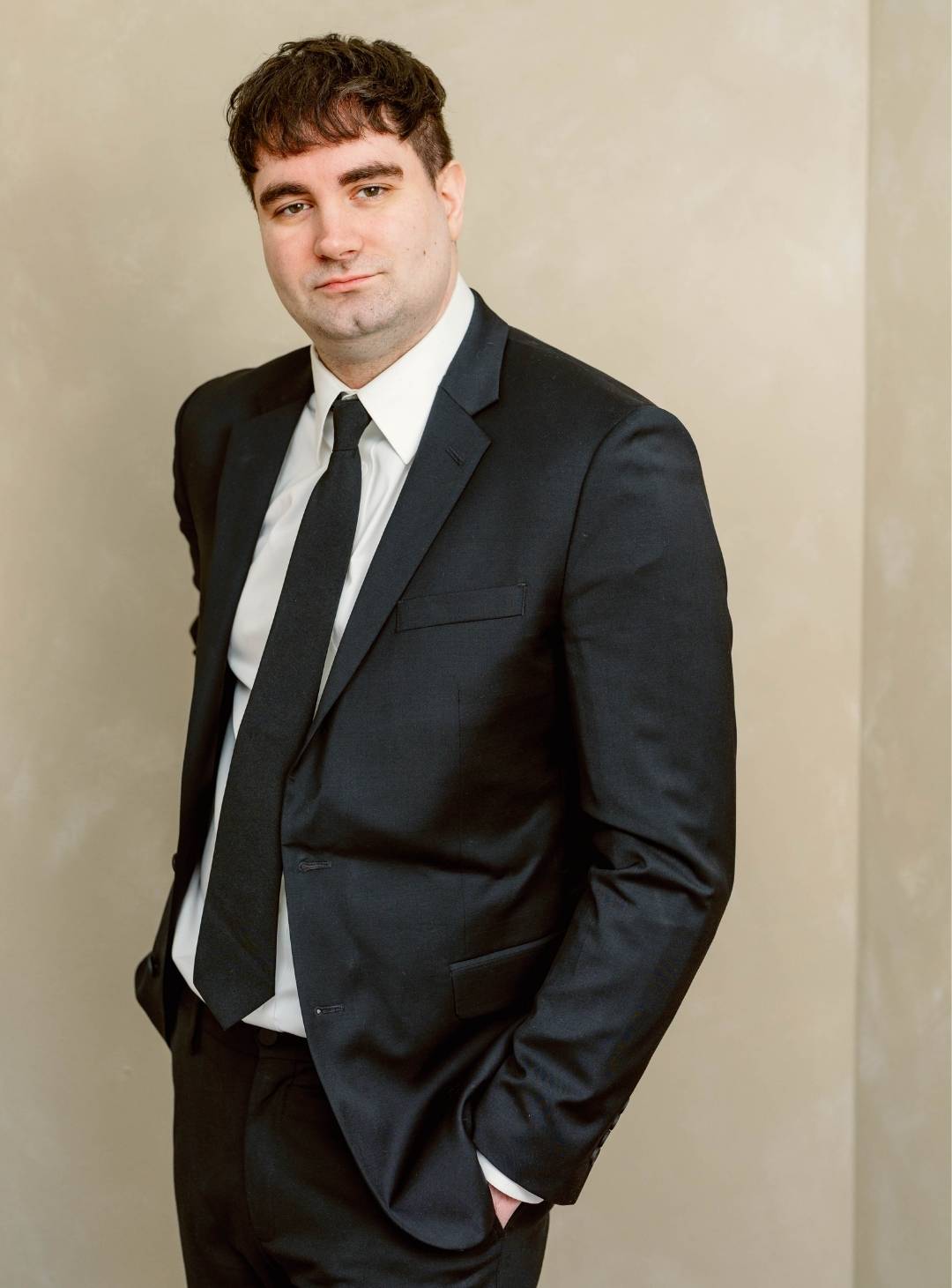
Brian Hancock Director of Operations
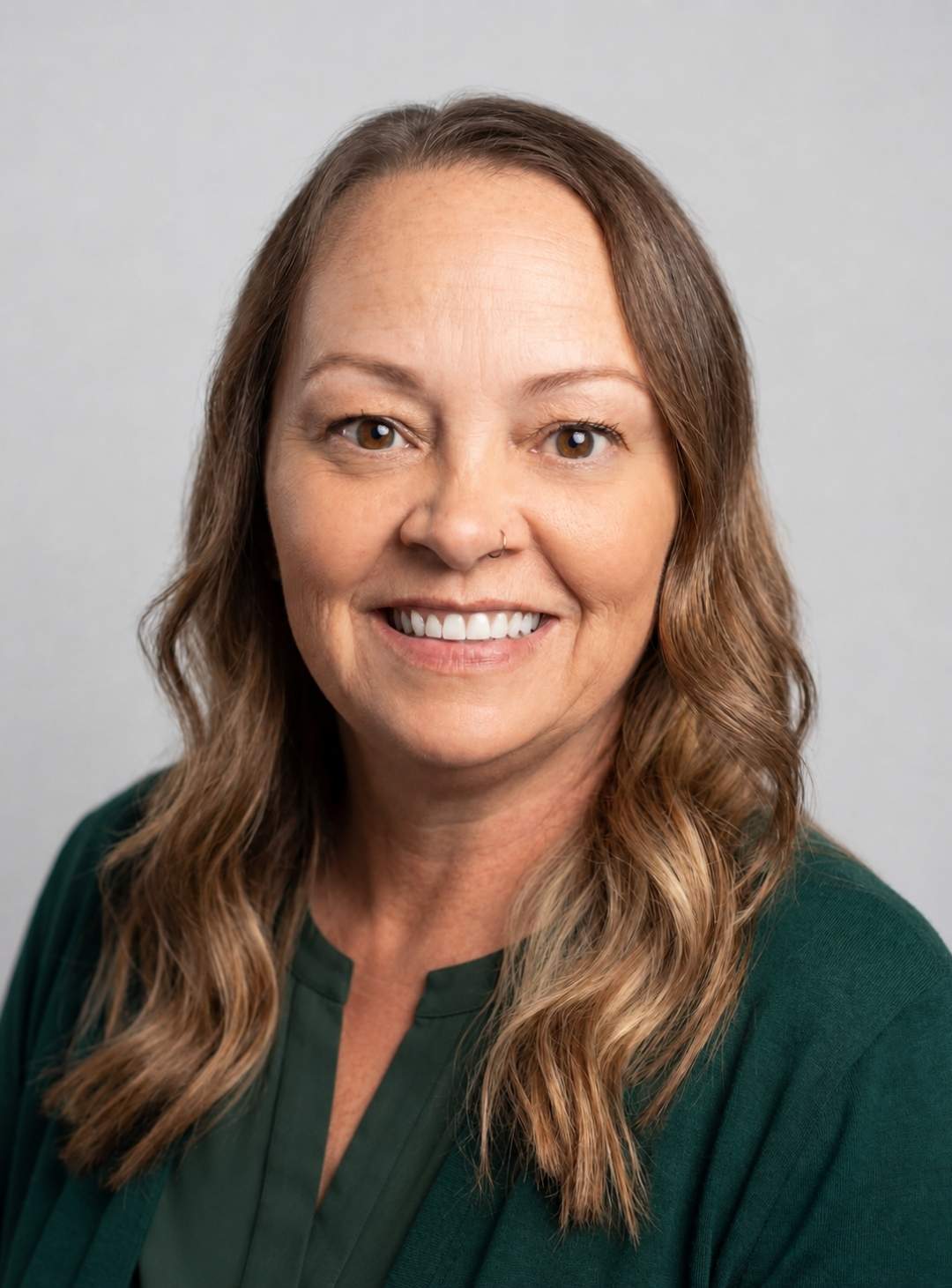
Lacey Bertnick Client Success
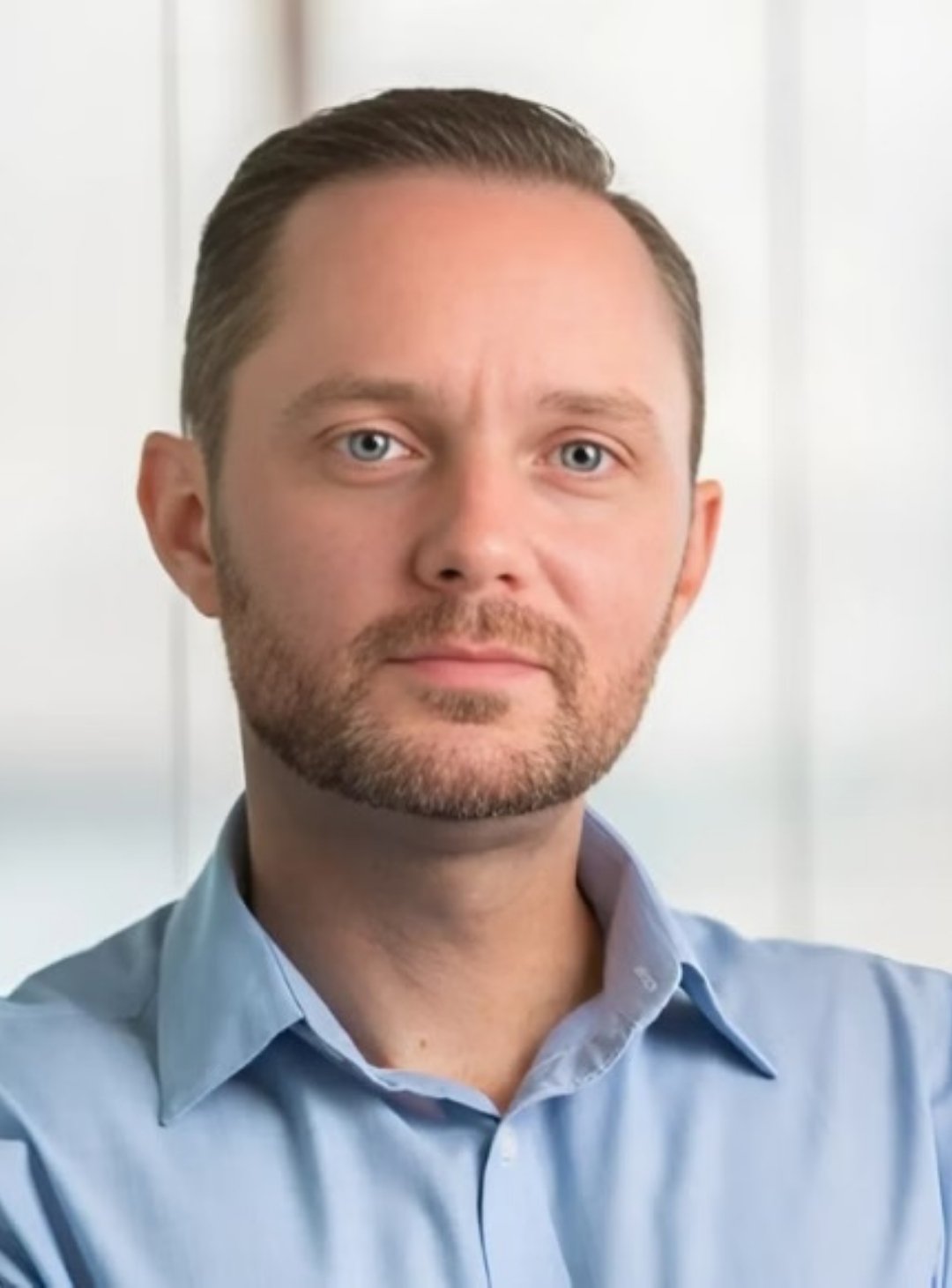
Hristo Bogdanov SEO Partner
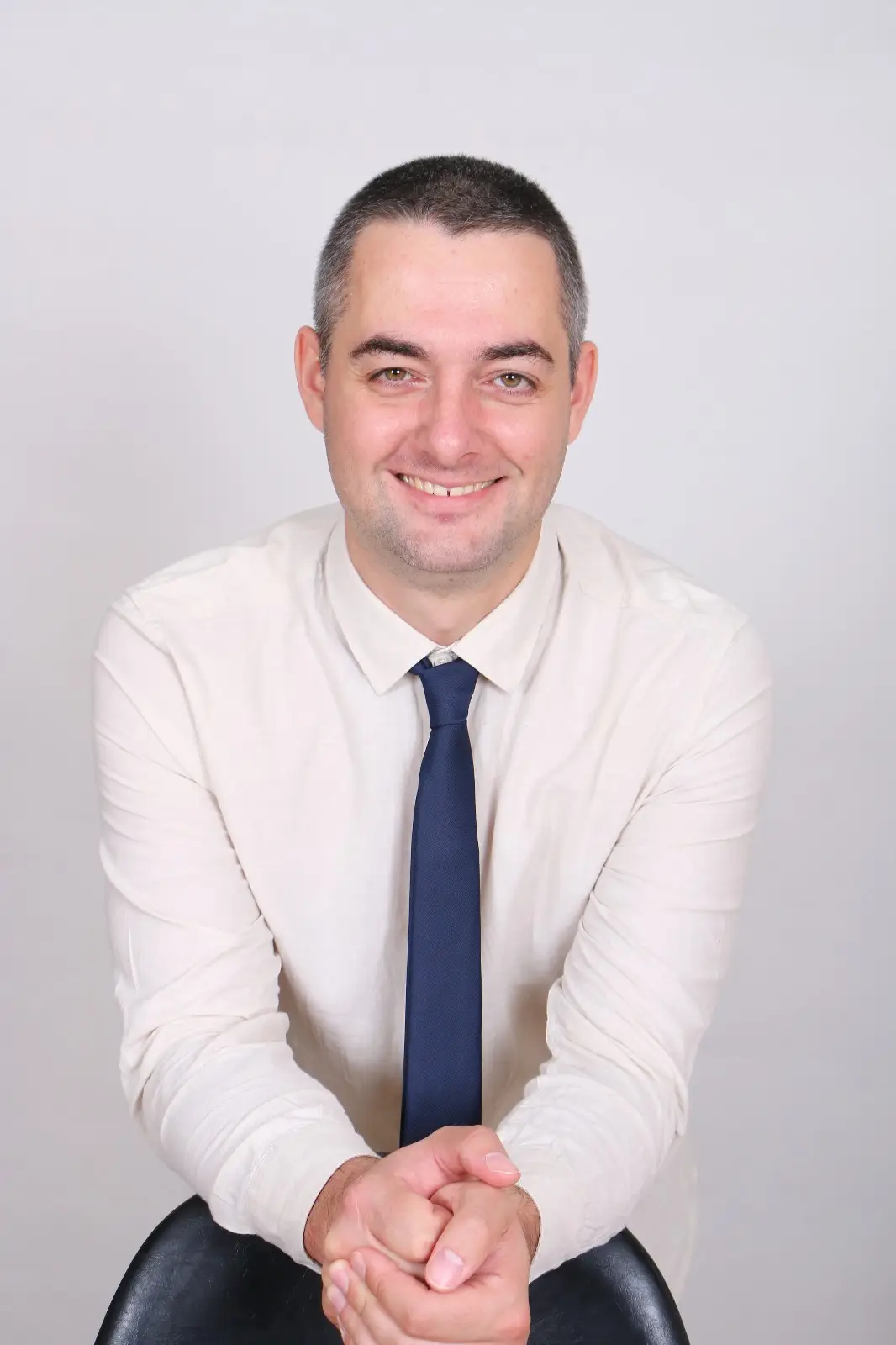
Satyam Yadav AI Integrations Manager
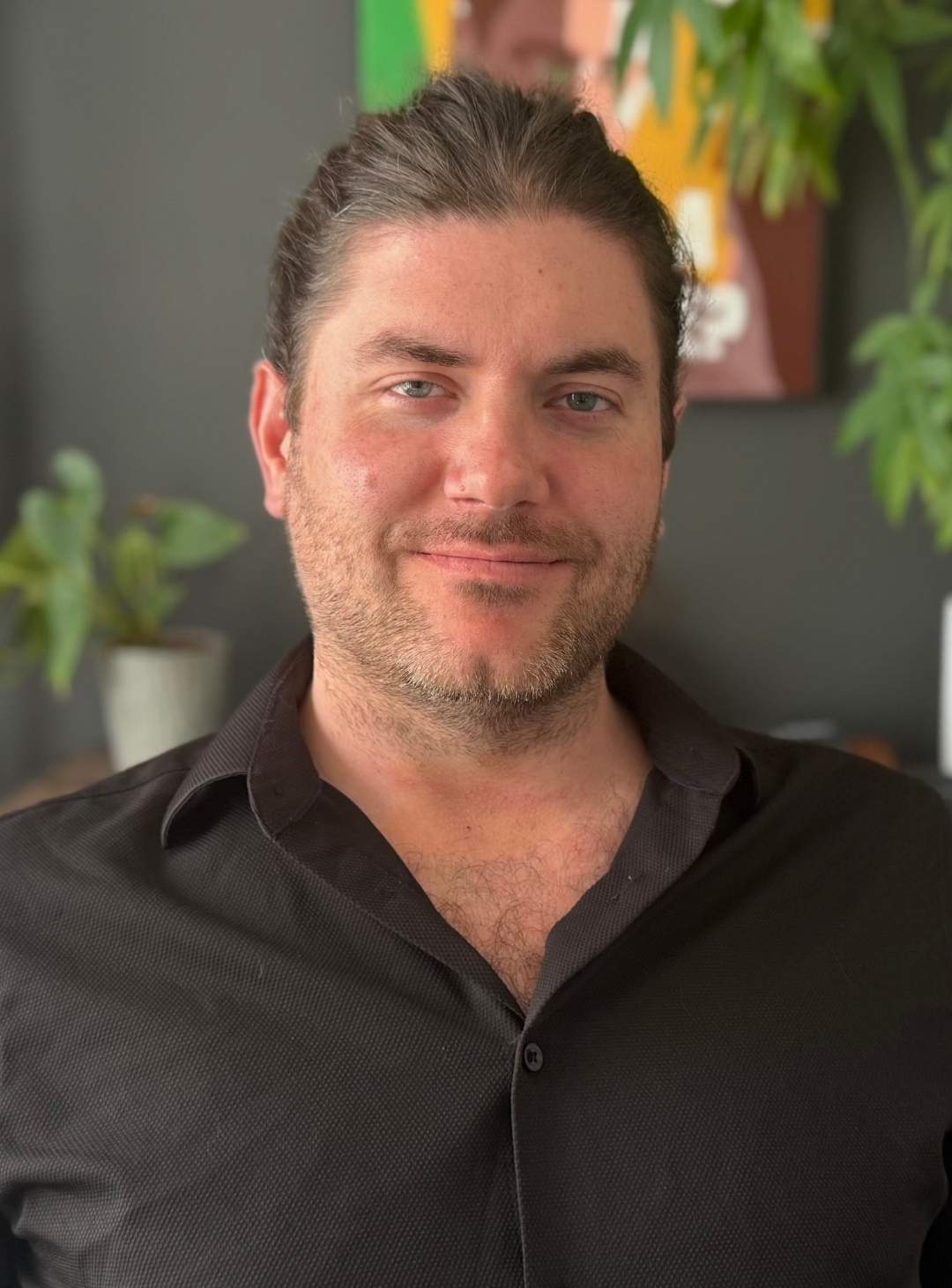
Trevor Huster Creative Partner
Alex Trent Content Manager
Justin Prahst Web Developer
Laura Schwartzburg Paid Media Manager
Frank Hernandez Google Ads & CRMs Partner

FAQs About Social Media Marketing for Rehab Centers

Fewer than you think, run better than everyone else. Facebook and Instagram carry most family decision-making and community building; YouTube compounds forever and feeds every other channel; LinkedIn reaches the referring professionals who send you clients. We would rather run three social platforms with excellence than six with a scheduling tool, and the right mix depends on your rehab services and your market.

Scope drives it: publishing volume, video production, community management, and whether paid advertising is part of the engagement. We quote flat monthly fees after the audit, never a percentage of ad spend, so our incentive is your results rather than your budget. The audit itself is free and includes a read on whether social is your next dollar.

Paid social can put potential clients in your inbox in the first month; organic trust takes a quarter to build real momentum and compounds from there. We set expectations from your baseline, report conversion rates and inquiry volume monthly, and tell you plainly if the trend line is not justifying the spend. Anyone promising overnight admissions from organic social is selling you followers, not a drug rehab marketing system.

For paid addiction treatment ads on Meta platforms, yes: it is required, and it is the same standard Google enforces. Organic posting does not require it, which is one reason organic strategy matters while certification is in process. We guide partners through the requirement and build the organic engine in parallel so no time is lost.

Written consent before any client story is told, no identifiable treatment information in comments or messages, trained response protocols for people who disclose in public threads, and privacy review on every campaign. We treat followers as potential patients whose confidentiality is protected before it is ever tested, and your compliance officer sees everything we publish.

Both models exist, and most partners hand us the keys: strategy, content production, publishing, community management, paid campaigns, and reporting as one engagement. Your team stays in the approval loop through a shared calendar, and everything we build, from the audience to the assets, belongs to your center from day one.

They do different jobs, and the answer is both, sequenced. Organic builds the trust and the proof that makes advertising believable; paid puts that proof in front of the exact target audience organic cannot reach on its own. Paid without organic sends traffic to an empty room, and organic without paid grows slower than your census needs, which is why serious rehab marketing runs both.

Expect what we measure: audience growth you own, engagement from your actual target audience, website traffic that converts, and inquiries attributed by call tracking. We benchmark against your baseline and industry norms, including the roughly 5% conversion rate facilities average on paid landing pages, and we report against those numbers monthly, on a screen-share, from live dashboards.

Proven at 50 Million Reach

Your Next Clients Are Scrolling Right Now

Thirty minutes with Adam, a live look at your current social presence against the standards on this page, and a read on whether social is your next dollar or your third. If your market is closed at your level of care, we tell you on the call.

One treatment center per market, per level of care.

Adam Vibe Gunton

Written and reviewed by Adam Vibe Gunton, Founder and Managing Partner of Behavioral Health Partners.

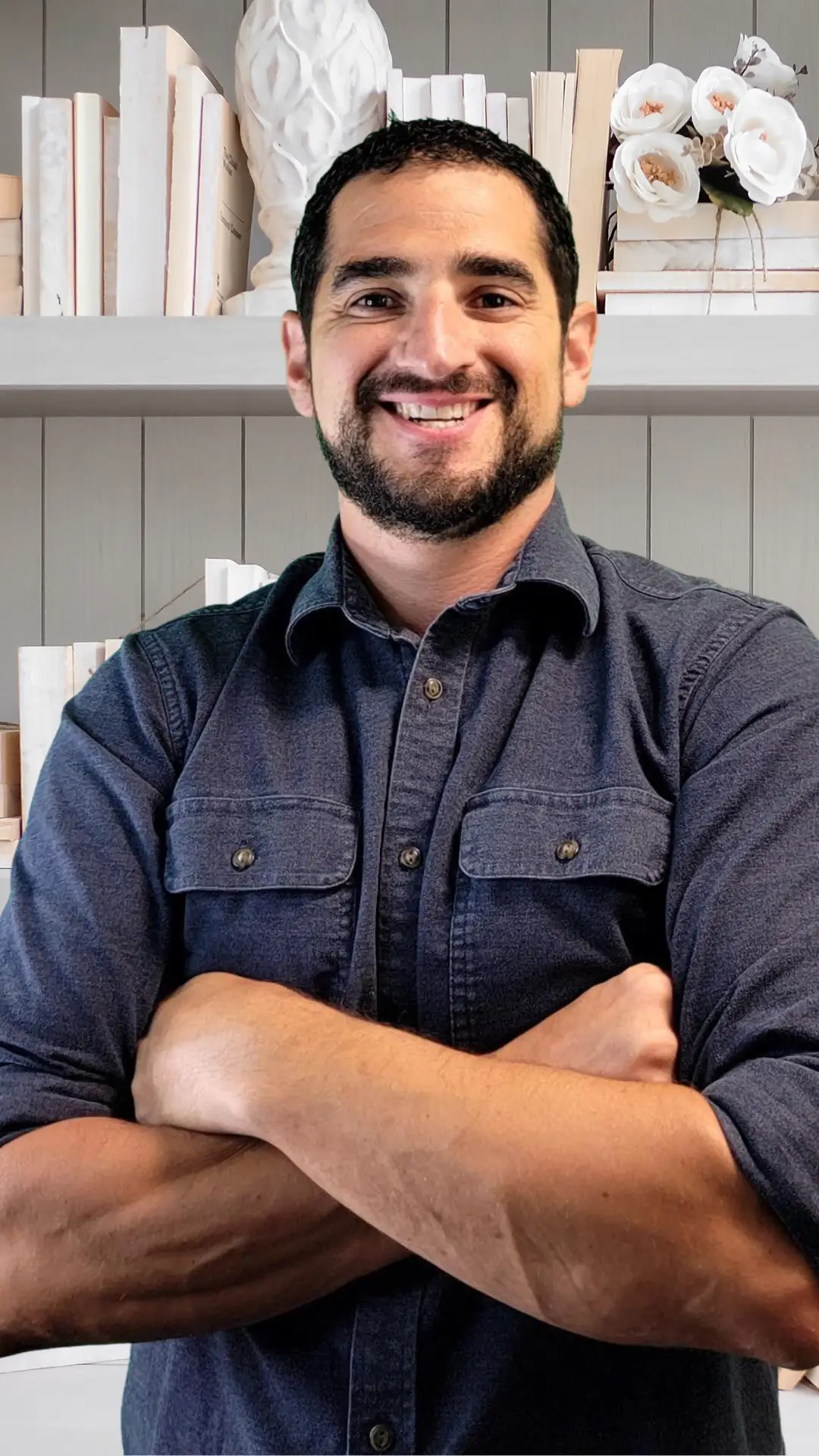
Adam Vibe Gunton is an addiction recovery expert, entrepreneur, marketer, brand strategist, and speaker dedicated to advancing the behavioral health industry. As Founder and Managing Partner of Behavioral Health Partners, he has worked across treatment-center development, operations, branding, PR, SEO, advertising, and growth strategy. Combining professional experience with his own lived experience in recovery, Adam brings a unique perspective on how treatment organizations can build trusted brands, reach more people, and create a greater impact.

Last updated July 30, 2026