Schedule Your Free Initial ConsultSchedule Your Free Consult

Feasibility Assessment For Addiction Treatment Centers

Feasibility Study

Prove your market before you build.

A feasibility study determines whether your proposed project can succeed in your market before you spend a dollar on property or licensing. We test legal feasibility, technical feasibility, operational feasibility, and financial feasibility: the licensing pathway, the building and physical plant, staffing and program design, and a lender-ready proforma.

The result is a clear go, no-go, or change-the-plan answer for your addiction treatment center, delivered by consultants who built centers of our own and dozens across the country, and know where new operators fail.

What Is a Feasibility Study?

A feasibility study is a structured feasibility analysis that determines whether a proposed project can succeed before significant resources are committed to it. For a rehab center, the study examines market demand, local demographics and addiction rates, the competitive landscape, the reimbursement environment, licensing and legal requirements, the site and physical plant, staffing, and preliminary financial projections. The study concludes with a clear recommendation: build, adjust, or walk away. Lenders and investors expect one. So do we, before we help anyone open a treatment center.

Every feasibility study tests the same question from several angles, starting with a preliminary analysis of the market and ending with a full feasibility analysis of the numbers: can this business succeed here, with these people, this building, this payer mix, and this capital? A comprehensive feasibility study answers it in the early stages of a project, when changing the plan costs a conversation rather than a construction loan.

The finding

01

Build

the market supports it

02

Adjust

the model changes shape

03

Walk away

on paper, not after construction

What Are the Types of Feasibility in a Feasibility Study?

Most guides list four main types of feasibility: technical, financial, operational, and legal. Treatment centers need two more, market feasibility and scheduling feasibility, because a rehab lives or dies on census and on how long the state takes to license it. Here is what each feasibility type means when the proposed project is an addiction treatment center, and why the differences matter to your decision.

Legal feasibility

Can this project be licensed and operated lawfully in this state and this zoning district? Legal feasibility covers state licensing rules, Certificate of Need laws, zoning and land use, HIPAA and 42 CFR Part 2, DEA registration for controlled substances, and the accreditation path through Joint Commission or CARF. Every legal requirement changes cost and timeline, so legal feasibility is checked first.

Technical feasibility

Can the building and the technical resources support the program you want to run? A technical feasibility assessment looks at the physical plant (bed count, life safety, ADA access, medical space for detox), the technological considerations (EHR, telehealth, billing, call tracking), and the clinical infrastructure a licensed program has to have on day one.

Operational feasibility

Can you staff and run it? An operational feasibility study evaluates whether the management team, clinical leadership, staffing ratios, policies and procedures, and referral relationships exist or can be built. Staffing is the largest line in any treatment center budget, so operational feasibility is where most financial models quietly break.

Financial feasibility

Do the numbers work? Financial feasibility examines expected costs, revenue by payer, cash flow through ramp-up, and expected return for the owners and lenders. It includes a cost benefit analysis, a sensitivity analysis on census and reimbursement, and the financial projections that become your proforma.

Economic feasibility

Is the project worth pursuing compared with the alternatives? Economic feasibility weighs the expected benefits of the project against its total cost, including the opportunity cost of the capital. For an investor, this is the return on the proposed project versus the return on the next best use of the same money, and economic feasibility often decides which of two markets gets the capital.

Market and scheduling feasibility

Is there unmet demand in your target market, and can you open before it closes? Market feasibility maps demand against existing capacity by level of care, because project success depends on census before it depends on anything else. Scheduling feasibility asks whether the licensing timeline, construction, and hiring line up so the project succeeds inside the window the market gives you.

What Does a Feasibility Study for a Rehab Center Include?

A proper feasibility analysis is a decision, not a data dump. A feasibility study consultant should hand you a verdict with the evidence behind it. The key components of a feasibility study for a rehab center are:

What it covers

Market demand analysis: a keen understanding of local demographics, addiction rates, and treatment gaps. In 2025, an estimated 47.2 million Americans had a substance use disorder needing treatment, and only 16 percent received it. Demand is not the question. Where and how your project serves it is.

The feasibility study report itself follows the five key components lenders expect: an executive summary, the current situation, the detailed analysis, a risk assessment, and the recommendation. The components of a feasibility report are the same across industries, and the legal requirements section is what a rehab feasibility study weights most heavily. What changes for a rehab center is the depth of the market research and the weight of the regulatory half.

The Market, in Four Numbers

$49 billion

Revenue the US substance abuse industry is projected to generate in 2026

47.2 million

Americans with a substance use disorder in 2023

16 percent

share of those needing treatment who actually received care

7.1%

annual growth in addiction treatment industry in the US

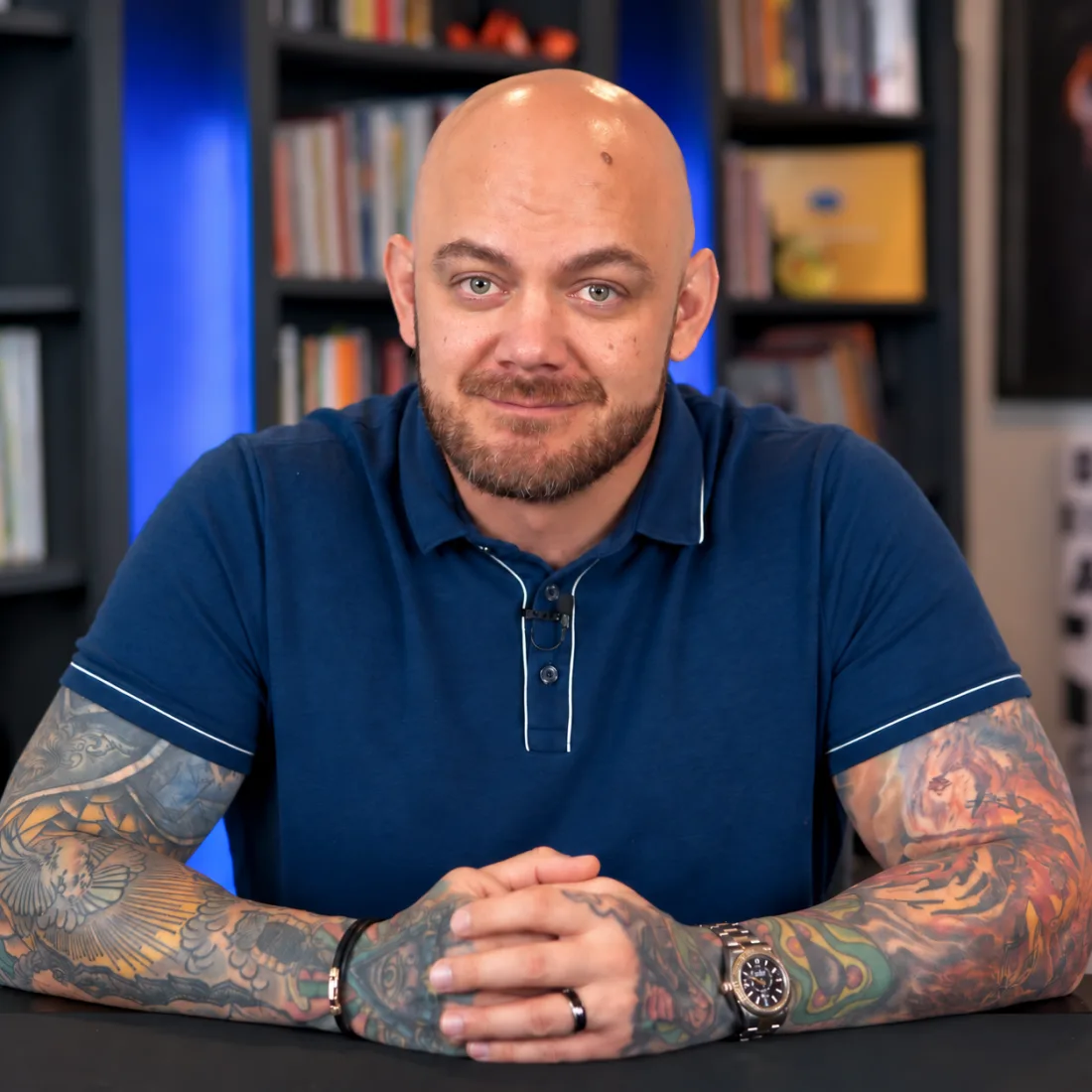
Watch: Opening a Rehab Center? Start Here

Adam explains why the feasibility study comes before the building, the business plan, and the brand.

Market Demand, Local Demographics, and the Competitive Landscape

Market feasibility is where every feasibility study starts, and where most business ventures skip ahead. The national numbers look like a green light: substance use disorder prevalence rose from 14.5 percent in 2020 to 17.3 percent in 2022, and the country lost 107,000 people to drug overdose in 2022. The need is national. Your project is local. A feasibility analysis maps that demand onto your county: local demographics, alcohol addiction and substance abuse rates, existing residential treatment beds, outpatient programs, and where people currently wait for care.

Then it maps the competition. The industry is growing about 7.1 percent a year, which means some markets are genuinely underserved while others are crowded. A community with unmet demand for inpatient care can be saturated for outpatient programs at the same time. Market analysis of levels of care, payer mix, and referral networks turns market research into a market entry strategy: the study identifies where the gap is, and whether your facility is the right one to fill it. A market survey of referral sources tells you whether they will send people to a new service line before you build it.

Local feasibility analysis for a treatment center: demand, competition and level of care mapped onto one county

Financial Feasibility: Financial Projections, Cost Benefit Analysis, and Financial Viability

Financial feasibility is the section investors read first and the one most feasibility reports get wrong. It starts with expected costs: land or lease, construction or renovation, licensing and accreditation fees, pre-opening payroll, and the working capital to carry the center through ramp-up while claims clear. It continues with revenue by payer and by level of care, built from the market feasibility work above rather than from a national average.

From those inputs the study produces preliminary financial projections, a cost benefit analysis that weighs total investment against expected return, and a sensitivity analysis that shows what happens to cash flow when census runs 20 percent below plan or reimbursement drops. Margins in a new treatment center are thin through ramp-up, so the financial analysis has to test the model at the edges, not at the midpoint. The study also identifies the likely funding sources for the project: SBA lending, conventional debt, investor equity, or a mix, and what each will require to say yes.

The output is a financial viability finding: whether the project can reach financial sustainability inside the runway you have. When it can, the projections flow directly into the drug rehab proforma, where the full three-year model is built. When it cannot, the study says so before anyone signs a lease.

Illustrative financial feasibility analysis of a treatment center: costs, revenue by payer, and the viability finding

Requirements for Rehabilitation Centers: Licensing, Accreditation, and Compliance

Regulations decide viability as much as market demand does. Each state mandates specific licensing for rehab facilities, and 36 states require a Certificate of Need for new treatment facilities. Add HIPAA and 42 CFR Part 2 data protection, DEA registration for controlled substances, CMS Conditions of Participation where they apply, and the accreditation standards behind Joint Commission or CARF: individualized treatment plans, evidence-based practices, a qualified multidisciplinary team, a governing body, QAPI quality improvement programs, and emergency preparedness.

None of these kill a good project. Every one of them changes its cost and timeline. The legal feasibility section of the study prices the requirements for rehabilitation centers into your plan before you commit, with the regulatory scan run by our state licensing team.

Priced in, not discovered later

state licensing

Certificate of Need

HIPAA and 42 CFR Part 2

DEA registration

Joint Commission or CARF

What Are the Common Pitfalls a Feasibility Study Prevents?

The mistakes that sink treatment centers are predictable. When you conduct a feasibility study before you commit, the risk assessment exists to identify potential risks on paper, internal and external risk factors alike, where they are cheap to fix:

01

The wrong market

building inpatient care where the gap is outpatient, or entering a community that is already saturated.

02

The wrong location

zoning that blocks the use, or a site too far from the referral sources and hospitals that feed census.

03

Payer mix mismatch

a private-pay model in a Medicaid-dominant county, or in-network assumptions where contracts are closed.

04

Underestimated operating costs

staffing is the largest cost in the building and margins are thin through ramp-up, so guesswork on staffing ratios or the technology stack is punished fast.

05

The Certificate of Need surprise

finding out in month six that your state requires approval you never budgeted time for.

The cost of guessing

Any one of these costs more than every feasibility study we have ever run, and the cost savings from catching one on paper are the whole reason to conduct a feasibility study first, combined with the risk to the people who were counting on your beds.

We Build Treatment Centers of Our Own

We are not consultants who read about drug rehab programs in a report. We are seasoned professionals who help others open rehab centers and also open rehab centers of our own.

Our Ideal Partner For Rehab Center Consulting

You have built businesses, developed properties, or managed investments. Now you want to bring that experience into addiction treatment. Our ideal consulting partners bring business acumen from another industry and want experienced behavioral health professionals beside them as they build their first rehab center.

Behavioral Health Partners helps you connect your vision with the financial, clinical, and operational planning required to open a treatment center.

01

Real Estate Professionals

You understand property, development, and location. We help you evaluate whether a site fits your intended treatment program, assess the market opportunity, and plan the facility requirements involved in turning a property into an operating rehab center.

02

Entrepreneurs

You know how to build a business and turn a plan into action. We bring the addiction treatment expertise to help you develop the business model, identify leadership needs, assemble the team, and prepare for licensing, opening, and admissions.

03

Investors

You understand capital and business fundamentals. We help you evaluate market demand, startup costs, staffing expenses, reimbursement assumptions, and operating projections so your investment decisions reflect how a treatment center actually works.

04

Family Offices

You bring a long-term ownership perspective and experience evaluating businesses. We provide the behavioral health expertise to assess the opportunity, plan the operating model, identify qualified leadership, and establish reporting that supports informed oversight.

Our strongest partnerships combine your business experience with our knowledge of addiction treatment. Together, we work toward a financially sustainable center built around quality care, capable leadership, and a clear plan for growth.

Feasibility Study vs Business Case vs Business Plan vs Proforma

Feasibility study

Business case

The question it answers

Should this project exist?

Why should we fund it?

Do the numbers work?

How will it run?

What it is

An independent feasibility assessment that can conclude no.

The argument for investment, built on the study's findings, the expected benefits, and the strategic alignment with your other holdings.

The three-year financial model that proves the project's financial viability to a lender.

Project objectives, the management team, the marketing strategy, and the project management plan through opening.

When it happens

First

Second

Third

Fourth

Decision makers often ask for a business case or a business plan when what they need first is the feasibility study. The order matters, and each document answers a different question.

The feasibility study is conducted before the business case is written and long before a project charter or project manager is assigned. When the study comes back a green light, its market data flows straight into your drug rehab proforma, so the next stage starts with evidence instead of assumptions. When it comes back red, you walk away on paper, having risked a report instead of a business venture.

Our Feasibility Study Process

This is how we conduct a feasibility study for a new project, from project initiation to the verdict. The whole project depends on getting this stage right, so the market feasibility work is never rushed. Every step is scoped to your levels of care and your market.

1

Discovery

Your vision, your project objectives, your levels of care, your capital picture, and the target market you want to serve.

2

Market demand analysis

Local demographics, addiction and overdose data, and the treatment gaps in your community.

3

Competitive landscape mapping

Every provider by level of care, payer mix, and referral network.

4

Regulatory and legal feasibility scan

State requirements, Certificate of Need, zoning, and accreditation path, run with our licensing team.

5

Site, technical, and operational feasibility review

The building, the technical resources required, the staffing plan, and proximity to the sources that fill beds.

6

Preliminary financial analysis

Startup investment, operating costs, revenue ranges, cash flow through ramp-up, and the sensitivity analysis that feeds the proforma.

7

The feasibility report and the verdict

Build, adjust, or walk away, with the data behind it and the potential risks ranked by severity, delivered in a review session with Adam.

Our refusal line

We are not consultants who sell green lights. If the market says no, we say no, and we show you why. Your long term success matters more to us than a signed engagement, because a center that opens in the wrong market fails the people it was built for.

The Regulatory Half, Run by the Licensing Team

100+

state licenses secured

20+

states

100%

application success rate

6 months

average time saved

The regulatory half of your feasibility study runs with the team that does this every day. Dr. Angela McMahon and the BHP licensing team have secured 100+ state licenses across more than 20 states, with a 100 percent success rate: every application submitted has resulted in a secured state license. That expertise saves treatment centers an average of six months, and it comes with real timelines, including the states like New York and New Jersey that can take 12 to 24 months.

Led by Dr. Angela McMahon

state licensing

Joint Commission and CARF

levels of care and ASAM criteria

From Feasibility to Strategic Planning: Your Next Stage

When the verdict is build, detailed planning and project management start with resources you already trust: the feasibility study's data becomes your proforma, your licensing roadmap, and your funding case for investors. If you are earlier in the journey, start with our guide on how to open a rehab center or see what it costs to open a rehab center. If you are ready to model the numbers, the drug rehab proforma is the next step, then state licensing makes it real. When you want the whole road handled by one team, our consulting team walks it with you across the full project lifecycle, from feasibility to a successful opening and the long term financial sustainability that lets your center make a meaningful impact in its community.

Where this goes next

the proforma models the numbers

state licensing makes it real

the cost guide shows the budget

The Consulting Team

Adam Vibe Gunton Founder & Managing Partner
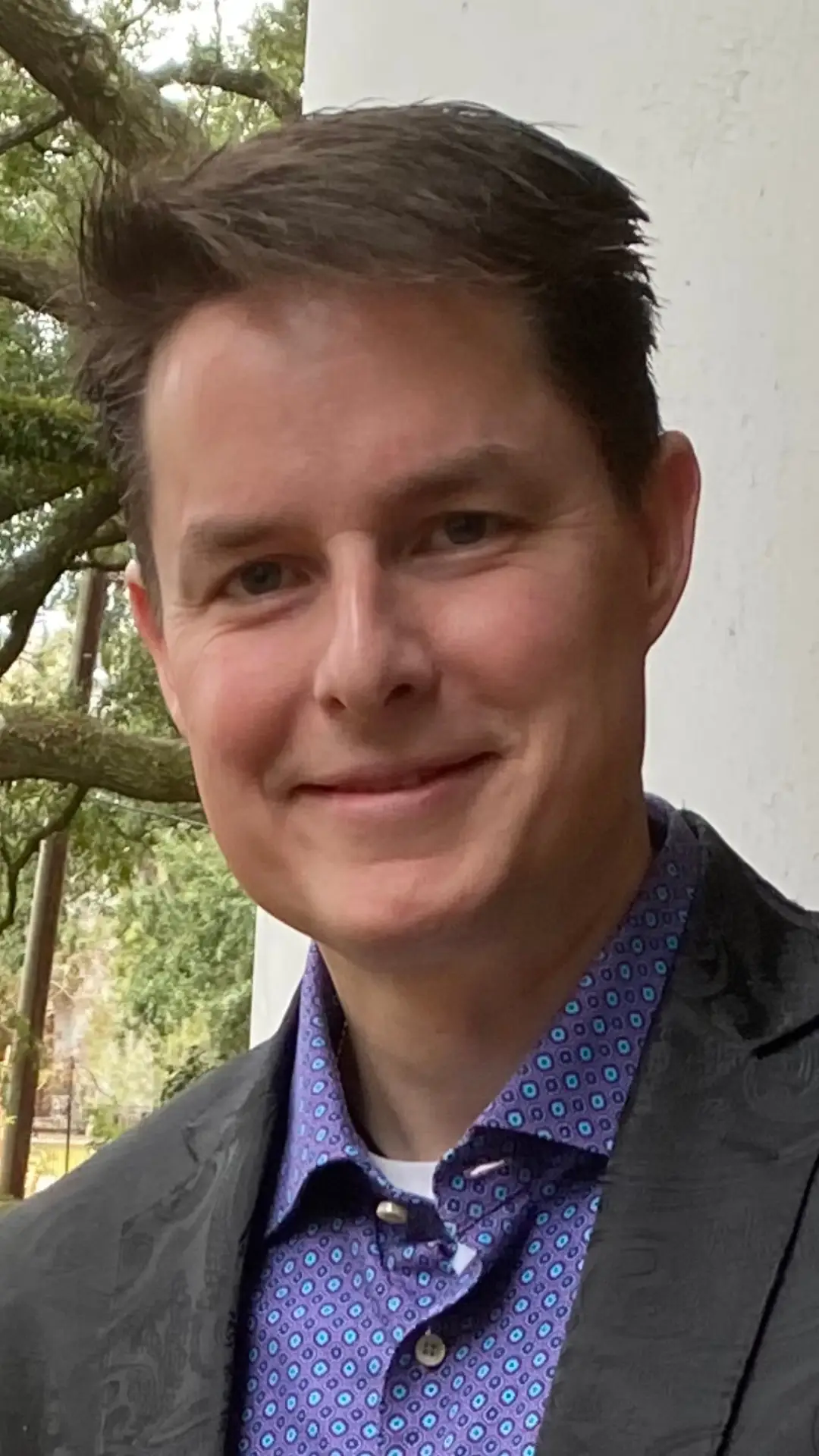
Dr. Angela McMahon, EdD Licensing Partner
Brian Hancock Director of Operations

Feasibility Study FAQs

A rehab feasibility study is a structured feasibility analysis that determines whether a proposed treatment center can succeed in a specific market before major investment. It ends in a clear verdict: build, adjust, or walk away.

The four main types of feasibility are technical, financial, operational, and legal. A rehab feasibility study adds market feasibility and scheduling feasibility, because census and the state licensing timeline decide whether a treatment center survives its first year.

Market demand analysis, local demographics and addiction rates, competitive landscape mapping, a regulatory and legal feasibility scan, the payer and reimbursement environment, site and technical feasibility, operational feasibility (staffing and management team), and preliminary financial projections that feed your proforma. The report opens with an executive summary and closes with a recommendation.

Technical feasibility asks whether the building, equipment, and technical resources can support the program: bed count, life safety, medical space, EHR and billing systems. Operational feasibility asks whether the organization can run it: leadership, staffing ratios, policies, and referral relationships. A site can pass technical feasibility and fail operational feasibility if the labor market cannot supply the clinicians.

Financial feasibility covers expected costs, revenue by payer and level of care, cash flow through ramp-up, a cost benefit analysis, sensitivity analysis on census and reimbursement, and the expected return for owners and lenders. Economic feasibility extends this by comparing the project against alternative uses of the same capital.

Yes. A business plan assumes the project should exist and explains how it will run. The feasibility study proves it should exist. Lenders and investors read them in that order, and the study is what allows them to make an informed decision.

A Certificate of Need is state approval to add new healthcare capacity. 36 states require one for new treatment facilities, and it can reshape your timeline and budget, which is why the legal feasibility scan checks it early.

Our feasibility studies range from $7,500 to $20,000 depending on scope: the number of levels of care, the number of markets under consideration, and how far the financial analysis goes before the proforma. Any one wrong-market mistake costs more than the study.

It depends on your market's complexity and how fast the data comes back. We set the timeline in writing on the discovery call and hold it, and the study review session is the checkpoint before any financial model is built.

Yes. Competitive landscape mapping shows every provider by level of care and payer mix, so you can see whether the gap you want to fill is real, and whether it is inpatient, outpatient, or neither.

You get the professional opinion and the reasons, and you decide what to do with them. Some clients adjust the model: a different level of care, a different county, a different payer strategy. Some walk away. Either way, the study did its job.

Adam Vibe Gunton leads the market and financial analysis, with the regulatory scan run by Dr. Angela McMahon and the BHP licensing team. Both have built or licensed treatment centers themselves, which is how we know where new operators fail.

Free Discovery Call

Get Your Answer Before You Spend

Thirty minutes with Adam, camera on, no pitch on the first call. If your market cannot support your project, you will hear it from us first, with the data to prove it.

Adam Vibe GuntonDr. Angela McMahon

Written by Adam Vibe Gunton, Founder and Managing Partner of Behavioral Health Partners.

Reviewed by Dr. Angela McMahon, EdD in Psychology, BHP Licensing and Compliance Partner.

Adam Vibe Gunton is an addiction recovery expert, entrepreneur, marketer, brand strategist, and speaker dedicated to advancing the behavioral health industry. As Founder and Managing Partner of Behavioral Health Partners, he has worked across treatment-center development, operations, branding, PR, SEO, advertising, and growth strategy. Combining professional experience with his own lived experience in recovery, Adam brings a unique perspective on how treatment organizations can build trusted brands, reach more people, and create a greater impact.

Dr. Angela McMahon is an addiction and behavioral health treatment expert with an EdD in Psychology and experience helping open more than 100 treatment centers nationwide. Her expertise includes state licensing, The Joint Commission and CARF accreditation, ASAM criteria, levels of care, compliance, and treatment program development. Through her work with Behavioral Health Partners, Dr. McMahon helps organizations translate complex clinical and regulatory standards into treatment programs built around quality, accountability, and effective care.

Published July 28, 2026