
Substance abuse treatment centers face unique challenges, from managing patient care and maintaining compliance with regulations to improving communication across teams and tracking admissions. These challenges demand innovative solutions that ensure operational efficiency and improve outcomes for patients.
A Customer Relationship Management (CRM) system tailored specifically for substance abuse treatment centers is a transformative tool. By centralizing patient data, streamlining workflows, and enhancing communication, a CRM allows treatment centers to focus on what matters most: saving lives and providing excellent care.
This article explores the profound benefits of CRMs, practical insights on implementing them, and how Behavioral Health Partners helps centers customize and integrate CRMs for maximum impact. If you would like to apply to work with Behavioral Health Partners, fill out our marketing partners application form here.
Understanding Why to Use a CRM in Substance Abuse Treatment

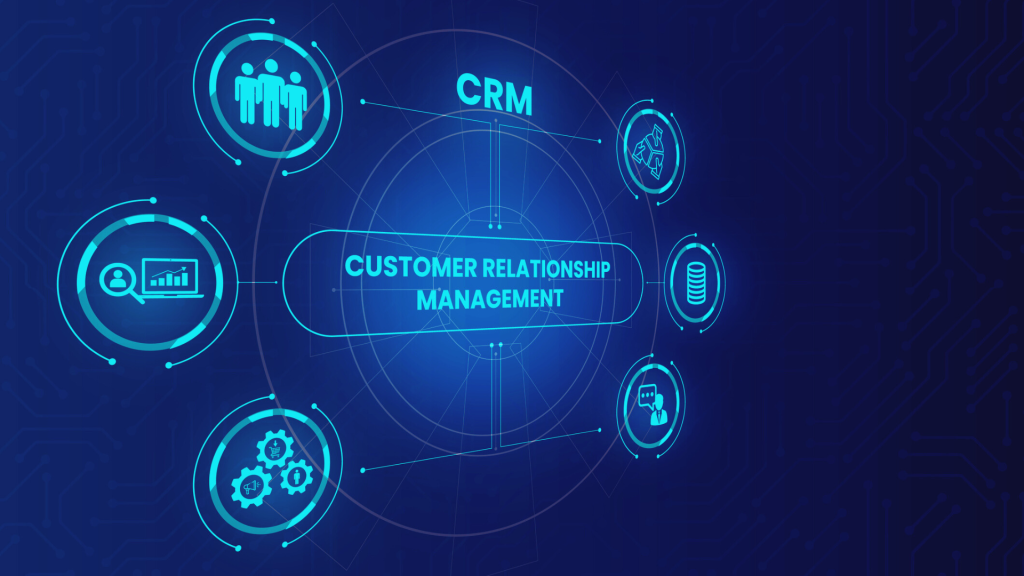
A CRM system is a centralized software platform designed to help organizations manage relationships and data effectively. While traditionally used in sales and marketing, CRMs have evolved to address the complexities of healthcare, particularly in addiction and mental health treatment.
In substance abuse treatment, CRMs serve as a hub for managing every aspect of the patient journey:
- From patient intake and admissions to treatment plans and follow-ups.
- Integration with Electronic Medical Records (EMR) systems ensures smooth data sharing across departments.
- Automation of tasks reduces administrative burdens, allowing staff to focus on patient care.
What Sets a CRM for Addiction Treatment Apart?
Unlike generic CRMs, those tailored for substance abuse treatment include:
- Compliance tools for HIPAA and other regulations.
- Integration with EMRs to enhance care coordination.
- Features like lead generation tracking, financial management, and alumni engagement.
By customizing these systems to align with a center’s workflow, they become powerful assets for improving efficiency and outcomes.
Key Benefits of Using a CRM in Substance Abuse Treatment
CRMs provide several benefits specific to substance abuse treatment centers. Below is a deeper dive into how these systems transform operations:
1. Centralized Patient Data Management
Managing patient data is critical in addiction treatment, where continuity of care can make all the difference. A CRM consolidates data into one secure platform, providing:
- Comprehensive patient profiles, including medical histories, treatment plans, and progress notes.
- Quick access to information for all staff members, ensuring better decision-making.
- Reduced errors by eliminating the need for redundant paperwork and manual data entry.
2. Enhanced Communication Across Teams
Substance abuse treatment often involves a multidisciplinary team of counselors, physicians, and case managers. CRMs foster collaboration by:
- Allowing real-time updates on patient progress accessible to all team members.
- Automating appointment reminders and task notifications, ensuring no detail is overlooked.
- Keeping the entire team aligned on treatment goals, improving the overall quality of care.
Example: A counselor updates a patient’s progress after a session, and the medical staff is instantly notified, ensuring adjustments to medication or treatment plans are made promptly.
3. Streamlined Operations
Administrative inefficiencies can create bottlenecks in patient care. CRMs help by:
- Automating repetitive tasks, such as appointment scheduling, intake forms, and follow-ups.
- Integrating with call tracking systems to ensure no leads are lost.
- Managing billing, insurance, and compliance tasks seamlessly.
Impact: Staff spend less time on paperwork and more time supporting patients through their recovery journey.
4. Improved Patient Engagement
Engaged patients are more likely to complete treatment and achieve long-term recovery. CRMs support engagement by:
- Offering secure patient portals for accessing treatment plans, educational resources, and billing information.
- Sending personalized reminders and check-ins via email or SMS.
- Collecting patient feedback to refine care delivery and increase satisfaction.
5. Data-Driven Decision-Making
CRMs provide detailed analytics and reporting, empowering treatment centers to:
- Monitor patient outcomes, track admissions trends, and evaluate program effectiveness.
- Identify bottlenecks in processes and adjust workflows accordingly.
- Allocate resources more effectively, ensuring staff and facility utilization align with demand.
Example: A center uses CRM analytics to identify a surge in admissions during specific months, allowing them to staff accordingly and improve patient experiences.
6. Simplified Financial Management
Billing and payment processes can be complex in addiction treatment. CRMs streamline financial operations by:
- Automating invoicing and tracking payments.
- Managing insurance claims and reimbursement processes.
- Offering transparency to patients about their financial responsibilities, reducing disputes.
Key Benefits of Using a CRM in Addiction Treatment Marketing

Integrating a CRM into your addiction treatment center’s marketing strategy can significantly improve your ability to reach potential clients, nurture leads, and ultimately boost admissions. Here’s how a CRM enhances your marketing efforts:
- Streamlined Lead Management
A CRM allows you to track and organize inquiries from various marketing channels—Google Ads, social media, or organic search—into a centralized platform. This ensures no lead is missed, and your team can respond promptly to potential clients.
- Example: When a potential client submits a form on your website, the CRM automatically logs their information, assigns it to the appropriate staff, and sends an acknowledgment email.
- Personalized Marketing Campaigns
CRMs help you create targeted and personalized marketing campaigns by segmenting your audience based on factors like location, treatment needs, or engagement history.
- Example: A prospective client searching for alcohol detox services receives tailored follow-up emails offering helpful resources and information about your detox program.
- Enhanced Follow-Up Efficiency
With automated reminders and workflows, CRMs ensure consistent follow-ups with potential clients, increasing conversion rates.
- Impact: A lead who initially inquired but didn’t schedule an admission is sent a follow-up email offering additional support and next steps to begin their recovery.
- Tracking Marketing ROI
CRMs offer advanced reporting features that track the performance of marketing campaigns, allowing you to understand which strategies deliver the best return on investment.
- Example: Analyze how many admissions were generated from a Google Ads campaign versus a social media campaign, and adjust budgets accordingly.
- Improved Client Experience
CRMs allow for seamless communication between your marketing and admissions teams, ensuring potential clients receive timely, accurate, and supportive responses.
- Example: A prospective client calls to inquire about treatment options. The admissions team can instantly access the CRM to view prior interactions, personalizing the conversation and building trust.
By leveraging a CRM for addiction treatment marketing, your center can not only improve efficiency and effectiveness but also build stronger connections with those seeking help, guiding them toward recovery with a seamless and compassionate process.
Customizing CRM for Substance Abuse Treatment Centers
One of the most significant advantages of a CRM is its flexibility. Behavioral Health Partners specializes in customizing CRMs to meet the unique workflows of substance abuse treatment centers. Customizations include:
- Lead Management Tools: Track inquiries from initial contact to admission, ensuring no opportunities are missed.
- EMR Integration: Create a seamless flow of information between CRM and clinical systems.
- Admissions Workflow Automation: Automate every step of the intake process, from document collection to eligibility verification.
These customizations ensure the CRM aligns perfectly with your center’s operations, helping you provide efficient, patient-focused care.
Overcoming Challenges in CRM Implementation

1. Staff Training
Introducing new technology can be challenging without proper training. Behavioral Health Partners ensures your team is equipped with:
- Step-by-step guides tailored to your CRM system.
- Ongoing support to address questions or concerns.
- User-friendly interfaces that simplify onboarding.
2. Ensuring Data Security and Compliance
Data security is a top priority in healthcare. CRMs customized for addiction treatment:
- Include built-in compliance with HIPAA regulations.
- Offer secure cloud storage with multiple layers of encryption.
- Provide user access controls to prevent unauthorized data sharing.
3. Scalability for Growth
As your center expands, your CRM should grow with it. Behavioral Health Partners designs scalable systems to accommodate increased patient loads, new locations, and additional services.
Integrating CRM With EMR and Business Development Systems
The real power of a CRM lies in its ability to integrate seamlessly with other systems, such as:
- EMRs for sharing clinical data between providers.
- Business Development Tools for tracking admissions and marketing ROI.
- Call Tracking Systems to measure lead conversion rates.
Example: A fully integrated CRM allows admissions staff to see which marketing campaigns drive the most calls and admissions, enabling smarter budget allocation.
Real-World Impact: Transforming Substance Abuse Treatment Centers
A well-implemented CRM can have transformative effects, such as:
- Increased Admissions: Automated lead tracking ensures no inquiry slips through the cracks.
- Higher Retention Rates: Engaged patients are more likely to complete treatment plans.
- Operational Efficiency: Staff spend more time on patient care and less on paperwork.
- Improved Outcomes: Data-driven insights allow centers to refine their programs continuously.
Why Partner With Behavioral Health Partners for CRM Customization?
Behavioral Health Partners has extensive experience tailoring CRMs to the unique needs of addiction treatment centers. Our services include:
- Full customization to align with your workflows.
- Seamless integration with EMR systems and business tools.
- Ongoing support to ensure your CRM delivers maximum value.
Final Thoughts About Behavioral Health CRMs and Why You Need One
A CRM is more than just a technological tool; it’s a strategic investment in the future of your addiction treatment center. By enhancing patient care, improving operational efficiency, and driving growth, a customized CRM positions your center for long-term success.
Contact Behavioral Health Partners today to discover how we can help you implement a CRM system that transforms your operations and supports your mission to save lives.