
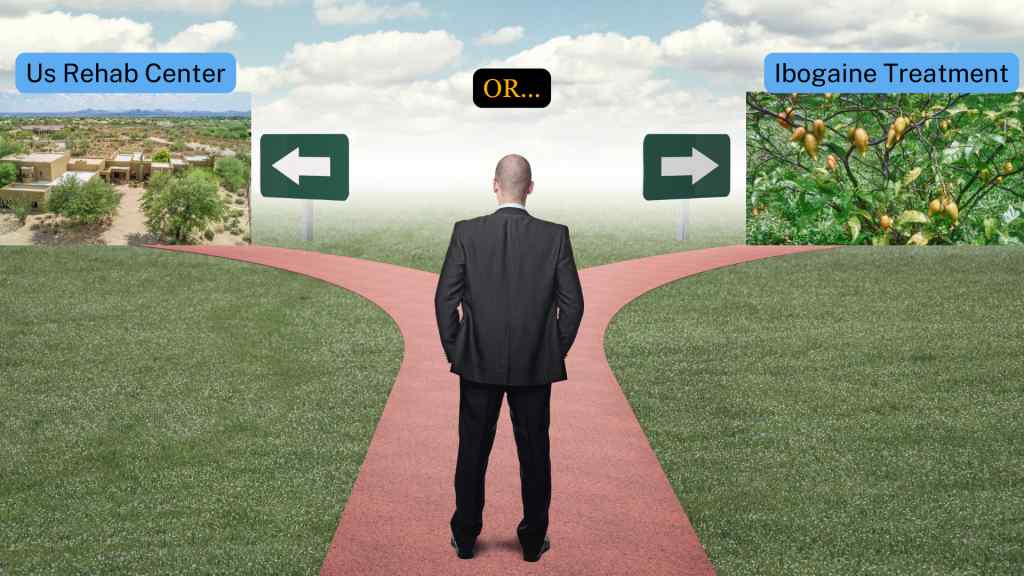
As the opioid addiction crisis continues to escalate, many are seeking treatment options that go beyond conventional rehab programs. While medication-assisted treatment and therapy have helped countless individuals, a growing number of people are turning to Ibogaine treatment centers for an alternative approach. Ibogaine, a psychoactive substance derived from the iboga plant, has gained attention for its ability to offer a transformative experience, unlike traditional detox methods.
What sets Ibogaine therapy apart is its potential to address both addiction and underlying mental health issues in a single treatment. Many who undergo Ibogaine treatment report a deeply introspective experience—allowing them to process trauma, break negative thought patterns, and gain clarity on the root causes of their addiction. This has led to its increasing popularity, particularly in Mexico, where legal restrictions in the U.S. have pushed treatment centers to operate internationally.
However, despite the growing demand, Ibogaine remains controversial. While some advocate for its medical benefits, concerns about safety, regulation, and accessibility continue to fuel debate. As more people seek alternative treatment options, the discussion surrounding Ibogaine treatment centers raises important questions: How does it work? Is it safe? And should the U.S. reconsider its stance on this powerful yet largely misunderstood treatment?
What Is Ibogaine and How Does It Work?

Ibogaine is a naturally occurring psychoactive alkaloid extracted from the iboga plant, long used in traditional African medicine. Over the past few decades, it has gained attention for its ability to target the root causes of addiction rather than just managing symptoms. Unlike conventional detox methods, which often require long-term medication or tapering schedules, Ibogaine treatment is unique in its ability to provide a single-dose experience that significantly reduces withdrawal symptoms and interrupts the cycle of chemical dependency.
The Science Behind Ibogaine Treatment
The reason Ibogaine therapy is so effective for addiction lies in how it interacts with the brain. Unlike opioids, which continuously reinforce dependence by flooding the brain with dopamine, Ibogaine resets the brain’s neurochemical balance by targeting multiple receptor sites. One of its most notable effects is on the N-methyl-D-aspartate (NMDA) receptor, which plays a critical role in neuroplasticity—the brain’s ability to rewire itself. This effect creates a window of opportunity for individuals to break free from opioid addiction and form new, healthier behavioral patterns.
Beyond its ability to disrupt addiction pathways, Ibogaine also stimulates the production of brain-derived neurotrophic factor (BDNF), a protein that promotes nerve regeneration and cognitive function. This process helps restore brain function that may have been impaired by prolonged substance use, making it particularly beneficial for individuals struggling with opioid use disorder or long-term chemical dependency.

Ibogaine as a Potential Treatment for Addiction
One of the key ways Ibogaine works is by resetting opioid receptors, effectively eliminating physical cravings and significantly reducing the intensity of withdrawal symptoms. Traditional detox methods often leave individuals vulnerable to relapse due to lingering cravings, but Ibogaine disrupts this pattern by temporarily blocking opioid receptors, allowing the body to detoxify without experiencing extreme discomfort.
Additionally, Ibogaine’s psychoactive properties induce a transformative experience, which many describe as a deeply introspective state where they confront past trauma and addictive behaviors. This psychological aspect of the treatment can be just as crucial as the neurochemical reset, helping individuals uncover the root causes of their addiction while also alleviating symptoms of mental health issues like anxiety, PTSD, and depression.
By addressing both the physical and psychological aspects of addiction, Ibogaine treatment centers provide a holistic approach that goes beyond short-term symptom relief—offering a pathway toward long-term recovery for those seeking to break free from addiction.
Ibogaine Treatment for Opioid Addiction and Withdrawal Symptoms
The global opioid addiction crisis has left millions struggling to find a way out of dependency. Traditional detox programs often involve prolonged withdrawal, medication-assisted treatments, or inpatient care—yet relapse rates remain high. Ibogaine treatment has emerged as a revolutionary alternative, offering a different approach to breaking free from addiction.
By addressing both the neurological and psychological components of dependency, Ibogaine therapy allows individuals to detox with significantly reduced withdrawal symptoms while also resetting the brain’s ability to function without opioids.
Ibogaine’s Role in Treating Opioid Dependency
One of the biggest obstacles for those battling opioid addiction is the overwhelming discomfort of detox. The body becomes so physically dependent on opioids that sudden cessation triggers severe withdrawal symptoms such as nausea, muscle pain, anxiety, and intense cravings. Taking Ibogaine under the supervision of a qualified medical team changes this experience by interrupting the withdrawal cycle and providing relief in a way that traditional detox methods cannot.
This makes Ibogaine treatment particularly valuable for individuals dependent on fentanyl, heroin, and other opiates—drugs notorious for their powerful withdrawal effects. While conventional detox can take weeks or even months, Ibogaine accelerates the detox process by acting directly on the brain’s opioid receptors, allowing the body to reset itself more quickly. Many patients report waking up after an Ibogaine treatment process feeling physically free from opioid cravings, an outcome rarely seen with traditional withdrawal methods.
The Long-Term Benefits of Ibogaine Therapy

While Ibogaine treatment is highly effective at eliminating withdrawal symptoms, its true power lies in its ability to support long-term recovery. Unlike short-term detox programs that only focus on the physical side of addiction, Ibogaine creates a window of neuroplasticity—a period where the brain is more adaptable and open to change. This allows individuals to reshape their thought patterns, making it easier to develop new habits that support a life free from opioids.
For the best outcomes, integrating counseling, peer support, and structured aftercare is essential. Although Ibogaine therapy provides a powerful reset, lasting recovery requires individuals to engage in meaningful self-work to address the root causes of their disorder. Support systems such as 12-step programs, trauma therapy, and holistic healing approaches play a critical role in reinforcing the changes Ibogaine initiates.
Key Benefits of Ibogaine Treatment for Opioid Addiction:
- Minimizes withdrawal symptoms for a smoother detox experience
- Resets opioid receptors, reducing cravings and dependency
- Accelerates the detox process, making recovery more efficient
- Creates neuroplasticity, allowing for lasting behavioral change
- Supports emotional healing, helping patients confront past trauma
- Offers renewed hope, empowering individuals to build a life beyond addiction
Across the world, there is a growing demand for more effective solutions to the opioid crisis. By offering an alternative to conventional detox and addiction treatment, Ibogaine treatment centers provide a new level of hope for individuals seeking a way out of opioid dependency—one that goes beyond managing symptoms and instead focuses on complete transformation.
Ibogaine and the Brain: Healing Trauma, PTSD, and Depression

The effects of substance abuse extend far beyond physical dependence. Many individuals struggling with opioid addiction, alcoholism, and other forms of chemical dependency have deep-rooted trauma that fuels their continued use.
Traditional treatment methods often focus solely on detoxification, but Ibogaine treatment works on a neurological level, helping the brain process past experiences while simultaneously reducing cravings. This dual effect has made it an increasingly sought-after treatment for those battling PTSD, depression, and anxiety—especially in Mexico, where Ibogaine therapy is legally available.
The Connection Between Trauma and Addiction
For many people, addiction is not just about the substance itself—it’s a response to unresolved trauma. Studies have shown that individuals with PTSD or a traumatic brain injury are significantly more likely to struggle with opioid, alcohol, and drug abuse as a way to numb emotional and physical pain. Unfortunately, these coping mechanisms only reinforce the cycle of dependency, leaving many unable to break free for a very long time.
Ibogaine therapy works differently by addressing both the neurological and psychological aspects of trauma. Unlike traditional treatments that require years of therapy to reprocess painful memories, Ibogaine is administered in a controlled setting, inducing a deep, introspective state where individuals can confront their past in a way that promotes lasting healing.
Research on Ibogaine’s Effects on Mental Health

Scientific research has begun to highlight the promising effects of Ibogaine treatment on mental health disorders. Studies have suggested that Ibogaine works by increasing neuroplasticity and stimulating the release of brain-derived neurotrophic factor (BDNF), a protein responsible for cognitive flexibility and emotional regulation. This makes it a potential breakthrough medicine for individuals suffering from PTSD, depression, and anxiety—especially those who have not responded to conventional therapies.
How Ibogaine Supports Mental Health and Recovery:
- Interrupts trauma-driven addiction by addressing root psychological wounds
- Promotes neuroplasticity, allowing the brain to form new, healthy connections
- Reduces depression and anxiety by regulating neurotransmitter function
- Helps patients process past trauma in a profound, controlled way
- Restores a sense of purpose, giving individuals a fresh start on their journey to recovery
While more research is needed to fully understand the extent of Ibogaine’s impact on mental health, many patients have reported life-changing results after undergoing treatment at an Ibogaine clinic. With the right medical supervision, proper screening, and compassionate aftercare, Ibogaine has the potential to offer individuals not just sobriety, but a chance at life forever free from the pain of their past.
Why Are Ibogaine Treatment Centers in Mexico So Popular?
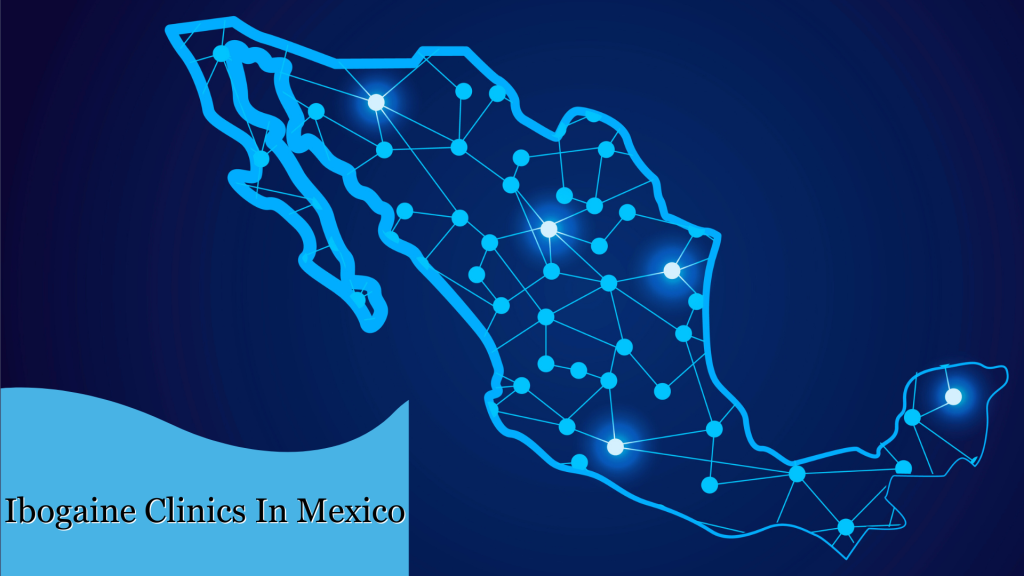
As the demand for alternative addiction treatments grows, many people struggling with opioid addiction and substance abuse are looking beyond the United States for options. Ibogaine treatment centers in Mexico have gained significant popularity due to the country’s legal stance on the treatment, its affordability, and its proximity to the U.S. While Ibogaine remains highly restricted in many parts of the world, Mexico has become a hub for those seeking its transformative effects under professional medical supervision.
The Legal Status of Ibogaine
Despite its potential as a treatment for addiction, Ibogaine is illegal in the U.S., classified as a Schedule I substance with no recognized medical use. This has forced individuals seeking treatment to travel internationally, with Mexico being the closest option offering fully supervised Ibogaine clinics. The legal status of Ibogaine treatment varies worldwide, making accessibility highly dependent on geography.
Legal Status of Ibogaine by Country
| Country | Legal Status | Notes |
|---|---|---|
| United States | Illegal (Schedule I substance) | No recognized medical use, classified as a hallucinogen |
| Mexico | Unregulated (Not recognized by the government) | No official laws governing Ibogaine, making it a hotspot for treatment centers |
| Canada | Legal with prescription (Since 2017) | Available for prescription use with licensed medical providers |
| Brazil | Legal (Used for addiction treatment) | Recognized as a valid addiction therapy |
| Australia | Legal with prescription (Controlled sale and distribution) | Available for medical use with a prescription |
| United Kingdom | Illegal (Banned under the Psychoactive Substances Act 2016) | No legal pathway for clinical use |
| South Africa | Legal with prescription | Must be prescribed by a medical professional |
| New Zealand | Legal (Recognized for medical use) | Available through licensed medical professionals |
| Germany | Unregulated (Not legally recognized or prohibited) | No official stance or regulation on Ibogaine use |
| Netherlands | Not prohibited (Allowed for private use) | Many Ibogaine treatment centers operate openly |
Since Ibogaine treatment is legally available in Mexico, it has become a leading destination for those seeking alternatives to traditional rehab models. However, choosing the right Ibogaine clinic is critical, as quality and medical supervision vary between providers.
Ibogaine Treatment Mexico Cost vs. U.S. Rehab Centers
One of the most compelling reasons people seek Ibogaine therapy in Mexico is its cost-effectiveness. Traditional rehab programs in the U.S. can be extremely expensive, often requiring months of inpatient care that can add up to tens of thousands of dollars. In contrast, Ibogaine treatment centers in Mexico offer an intensive, single-session approach that can be significantly more affordable.
| Treatment Type | Average Cost in the U.S. | Average Cost in Mexico |
|---|---|---|
| Ibogaine Treatment (5–7 day program) | Not available (Illegal) | $5,000 – $12,000 |
| Ibogaine Treatment (21-day program) | Not available (Illegal) | $10,000 – $20,000 |
| Traditional Inpatient Rehab (30 days) | $15,000 – $30,000 | N/A |
| Luxury Rehab Facilities (30 days) | $40,000 – $100,000+ | N/A |
| Medication-Assisted Treatment (MAT) (1 year) | $5,000 – $7,500 per year | N/A |
The lower cost of Ibogaine treatment in Mexico, combined with its potential to rapidly reset opioid dependency, has made it an attractive option for those who may not have the financial means to afford long-term rehab programs in the U.S. While traditional treatment options involve extended stays and ongoing care, Ibogaine offers a single, immersive experience that some claim can produce life-changing results in just a few days.
For those seeking alternatives beyond conventional drug rehab, Ibogaine clinics in Mexico provide a unique opportunity for healing, making the country a leading destination for individuals looking to break free from opioid use disorder and rebuild their lives.
The Ibogaine Treatment Process: What to Expect at a Licensed Clinic

For those seeking an alternative to conventional substance use treatments, understanding the Ibogaine treatment process is essential. While many people travel from the East Coast and beyond to Mexico for this therapy, not all clinics follow the same protocols. Choosing a licensed clinic with a qualified medical team ensures a safe, monitored experience, reducing risks while maximizing the treatment’s effectiveness.
Pre-Treatment Medical Screening
Before Ibogaine is administered, every individual must undergo a comprehensive medical evaluation to assess whether they are a suitable candidate. Unlike traditional detox programs that use medicine to manage withdrawal symptoms, Ibogaine therapy interacts directly with the body’s neurochemistry, meaning pre-existing conditions can impact its safety.
Key Health Screenings Required Before Ibogaine Treatment:
- Cardiac Screening: Electrocardiogram (ECG) to check for heart irregularities
- Liver Function Tests: Ensures the body can properly process Ibogaine
- Kidney Function Tests: Determines whether toxins can be efficiently cleared
- Blood Pressure Monitoring: Unstable hypertension can increase treatment risks
- Comprehensive Drug Screening: Identifies potential interactions with opiates, alcohol, fentanyl, and other substances
- Psychiatric Evaluation: Assesses for conditions like schizophrenia or severe mental disorders that could lead to complications
Without these precautions, Ibogaine treatment can pose serious risks, which is why professional clinics prioritize thorough evaluations. Reputable centers provide such good care that patients feel confident in their journey toward recovery.
How Ibogaine Is Administered
At a licensed Ibogaine clinic, the treatment is always conducted under strict medical staff supervision. The process begins with a carefully administered test dose to observe how the patient’s body reacts before proceeding with the full treatment. Throughout the experience, trained physicians and nurses monitor heart rate, oxygen levels, and neurological responses to ensure safety.
A controlled setting is crucial because Ibogaine induces an intense ibogaine experience, often described as a deep, introspective state. Many patients report reliving past traumas, gaining clarity about their disorder, or experiencing a profound sense of healing. Due to its hallucinogenic effects, individuals are kept under observation for up to 24 hours, ensuring they receive the necessary medical attention if any issues arise.
Post-Treatment Recovery and Integration
Completing an Ibogaine treatment is only the first step. While the neurochemical reset helps disrupt drug dependency, the true challenge lies in maintaining sobriety and making lasting life changes. Unlike traditional other treatments, which often involve long-term medication, Ibogaine creates a window of opportunity where individuals are more receptive to change.
For sustainable recovery, post-treatment integration is key. Patients are encouraged to engage in:
- Peer-to-peer recovery support to reinforce accountability
- Therapeutic counseling for emotional processing and relapse prevention
- Holistic healing approaches such as meditation or spiritual guidance
Many individuals travel home from Mexico through the San Diego Airport, returning to the East Coast or other destinations with a renewed outlook on life. However, the success of the treatment depends on their commitment to long-term recovery strategies.
With growing research supporting Ibogaine’s effectiveness, more professionals in the world of addiction medicine are considering its role in modern treatment approaches. While it may not be a conventional method, the ability of Ibogaine treatment to disrupt opiate dependency and offer real healing makes it a powerful tool for those who have struggled with addiction for years.
The Risks and Safety Concerns of Ibogaine Treatment
While Ibogaine treatment offers hope for individuals struggling with opioid use disorder, it is not without risks. Unlike other treatments, which can be administered in various clinical settings, Ibogaine requires specialized medical supervision due to its potential to cause severe side effects. Understanding these risks is crucial for patients considering this therapy as part of their journey to recovery.
Why Ibogaine Must Be Administered by Licensed Medical Professionals
One of the most serious risks of Ibogaine is its effect on the heart. Research has shown that it can prolong the QT interval, which may lead to life-threatening arrhythmias if not properly monitored. This is especially dangerous for individuals with pre-existing heart conditions, as an undiagnosed issue can result in sudden cardiac arrest. Additionally, improper dosing can lead to neurotoxicity, seizures, or even overdose.
For these reasons, a qualified physician should always oversee the process in a reputable clinic, ensuring that the treatment is administered in a controlled and safe manner. Despite its potential, more funding research is needed to refine safety protocols and establish standardized medical guidelines worldwide.
Who Should Not Take Ibogaine?
While Ibogaine has helped many, certain individuals face heightened risks and should avoid this treatment:
- People with pre-existing heart conditions (QT prolongation, arrhythmias, or history of heart disease)
- Those with severe liver impairment (Ibogaine is processed through the liver, and failure to metabolize it properly can be dangerous)
- Individuals currently taking SSRIs or MAOIs (Interactions with psychiatric medications can be unpredictable)
- Patients with untreated schizophrenia or severe psychiatric disorders (The Ibogaine experience may worsen symptoms)
- Anyone currently using high doses of fentanyl or benzodiazepines (Sudden withdrawal without tapering can lead to extreme distress)
- Those with a history of stroke or traumatic brain injury (Neurological risks must be assessed carefully)
While the world of addiction medicine continues to explore the research surrounding Ibogaine, prioritizing safety remains essential. Not everyone can be treated with Ibogaine, but for the right candidate, in the right setting, it can be a life-changing tool for overcoming disorders and reclaiming their life.
How Being Treated With Ibogaine Fits Into a Holistic Recovery Model

Why Ibogaine Alone Is Not Enough
While Ibogaine therapy can provide a profound reset for individuals struggling with opioid use disorder or substance use, it is not a cure-all. Addiction is a complex disease that involves both neurological and psychological factors, requiring a comprehensive approach to ensure long-term healing. Without proper aftercare, individuals risk falling back into destructive patterns—even after experiencing the initial benefits of Ibogaine.
To build a sustainable foundation for recovery, integrating evidence-based treatments is essential. Cognitive Behavioral Therapy (CBT) helps individuals recognize negative thought patterns, while trauma therapy addresses the root causes of addiction, particularly for those with post-traumatic stress disorder (PTSD) or a history of unresolved trauma. Additionally, 12-step programs provide ongoing peer support, creating a community that reinforces accountability and resilience.
Key Components of a Holistic Recovery Plan:
- Therapeutic counseling to help process emotions after the Ibogaine experience
- Ongoing medical supervision by a physician to monitor mental and physical health
- Support groups to maintain accountability in early recovery
- Nutritional and wellness programs to rebuild physical strength
In the world of addiction treatment, there is a growing need for more funding research into comprehensive models that combine Ibogaine with other therapies. Those who have been treated for fentanyl addiction, opiates, severe depression, or alcohol use disorder benefit most when they commit to a structured recovery plan beyond the initial treatment at an Ibogaine clinic.
True transformation happens when individuals embrace the journey of recovery and actively build a new, fulfilling life beyond addiction.
Frequently Asked Questions About Ibogaine Treatment Centers
What can Ibogaine treat?
Ibogaine is primarily used to treat opioid use disorder, but it has also shown effectiveness for substance use disorders involving alcohol, stimulants, and other opiates. Additionally, it has been used to help individuals struggling with severe depression, post-traumatic stress disorder (PTSD), and other mental health issues by promoting neuroplasticity and emotional processing.
What is the success rate of Ibogaine treatment?
Success rates depend on medical supervision, aftercare, and commitment to recovery. Research shows 80% experience reduced withdrawal symptoms, 50% report decreased opioid cravings, 25% maintain reduced cravings for three months, and 30% never use opioids again. However, relapse remains a risk without continued therapy and support.
Is Ibogaine legal in the USA?
No, Ibogaine is illegal in the United States and classified as a Schedule I substance, meaning it is not recognized for medical use. However, other countries, such as Mexico, Canada, and New Zealand, allow Ibogaine treatment, making them popular destinations for those seeking this therapy.
How long does the Ibogaine trip last?
The Ibogaine experience typically lasts between 8 to 12 hours, though some individuals report lingering effects for up to 24 hours. During this time, patients experience deep introspection, dream-like visions, and emotional processing. Full recovery from the treatment can take several days, as the body continues to integrate the experience.
How much does Ibogaine treatment cost?
The cost of Ibogaine treatment varies by clinic and treatment duration. In Mexico, a 5–7 day program typically costs $5,000 – $12,000, while a 21-day program can range from $10,000 – $20,000. Prices in other locations depend on medical supervision, accommodations, and aftercare support. Since Ibogaine is illegal in the U.S., it is not covered by insurance.