

Social media has become a vital tool for addiction treatment centers, offering a powerful way to reach those in need of support, connect with families, and build a sense of community. With the right approach, social media can extend the reach of your message to countless people, making a real impact in the lives of those struggling with addiction.
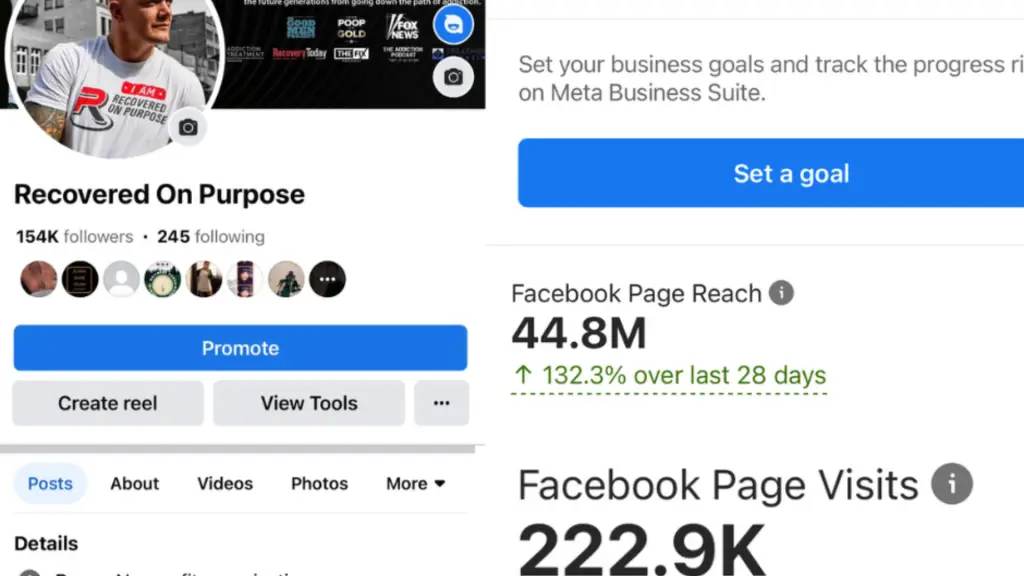
In my experience with Recovered On Purpose, we’ve reached as many as 50,000,000 people in a single month through targeted and impactful social media posts on Facebook alone. This level of reach demonstrates the potential that lies in crafting effective, empathetic, and engaging content.
In this article, we’ll explore five best practices for creating social media posts that resonate with your audience and drive engagement. These strategies will help your center communicate its message with authenticity and compassion, creating a digital presence that attracts those seeking help and support.
Let’s dive into the practices that can elevate your social media efforts and make a meaningful difference in the lives of those you aim to help.
1. Focus on Empathy and Support With Your Social Media Posts
When it comes to addiction treatment, empathy and true understanding is more than just a nice-to-have quality—it’s a critical element of effective communication to those still in their addictions.
On social media, where messages are often brief and fleeting, creating content that conveys genuine empathy and support can make all the difference. Empathetic posts connect with individuals who may feel isolated, ashamed, or uncertain about reaching out for help, offering them a sense of hope and understanding in their journey.
Empathy-driven posts can take many forms, such as motivational quotes, messages of encouragement, or real-life stories of recovery. These types of content remind individuals that they are not alone in their struggles and that recovery is possible.
For example, sharing a story about someone who has overcome addiction can inspire others to see themselves in that story and provide a window of hope where they decide to reach out for help. It’s important to use compassionate language and visuals that align with your message, creating a warm and inviting tone that speaks to the heart of those who are struggling.
A few best practices for crafting empathetic social media content include using positive and supportive language, avoiding stigma, and speaking directly to the challenges people face in recovery. For instance, instead of focusing on the negative aspects of addiction, highlight the possibilities of a brighter future. Incorporating images or videos that show human connection, such as people embracing or celebrating milestones, can further enhance the impact of your message.
By focusing on empathy and support, your social media posts can become a source of encouragement and inspiration, helping to break down barriers and encourage those in need to take that first step toward recovery.
2. Share Success Stories & Testimonials
One of the most powerful ways to connect with your audience on social media is by sharing success stories and testimonials of people who have found recovery from addiction. Real-life stories of individuals who have successfully navigated the challenges of addiction and achieved lasting recovery can inspire hope and build trust with those still struggling. For many, seeing that others have walked a similar path and come out stronger can be the motivation they need to reach out for help.
Success stories can take various forms, such as written testimonials, video interviews, or before-and-after narratives. Highlighting these stories on your social media platforms allows you to create a positive and encouraging atmosphere.
Short form videos featuring clients who have benefited from your services can be particularly impactful, as they offer an authentic, personal connection that written words alone may not convey. Visual content can create an emotional bond with viewers, making your message more relatable and memorable.
When sharing testimonials, it’s crucial to maintain the privacy and dignity of those who have trusted you with their stories. Obtain written consent before sharing any testimonials or stories, and consider using first names or keeping stories anonymous if privacy is a concern. This not only respects the individuals involved but also reassures your audience that confidentiality is a priority at your center.
To maximize the impact of these stories, focus on the positive changes and transformations experienced by the individuals. Highlight their personal victories, such as rebuilding family relationships, achieving sobriety milestones, or discovering a renewed sense of purpose. These details resonate deeply with those who are looking for similar outcomes in their own recovery journeys.
By regularly featuring success stories and testimonials, your social media presence can become a source of hope and proof that recovery is possible. This approach builds credibility, showcases the real impact of your services, and inspires potential clients to envision their own path to recovery.
3. Use Educational Content to Inform and Guide with Social Media Posts
Educational content is a cornerstone of effective social media marketing for addiction treatment centers. It serves not only to inform your audience but also to establish your center as a trusted resource for those seeking guidance on their journey to recovery. By sharing valuable information about addiction, treatment options, and recovery processes, you can help demystify the path to sobriety and empower those in their addictions to make informed decisions about their care.
Educational posts can take many forms, such as infographics, blog summaries, explainer videos, and Q&A sessions. For example, a post breaking down the differences between inpatient and outpatient programs can help potential clients understand which option might be best for them. Sharing tips for coping with cravings or advice for family members supporting a loved one in recovery can also resonate deeply with your audience. These types of posts address common questions and concerns, making your social media pages a go-to source for accurate and compassionate information.
When creating educational content, focus on keeping the information clear, concise, and visually engaging. Infographics are particularly effective for presenting statistics or step-by-step processes, as they make complex information easier to digest. Short videos or live Q&A sessions can also be a great way to address frequently asked questions, allowing your followers to engage directly with your center and build a deeper connection.
It’s also important to balance educational content with empathy and support. Avoid using overly clinical language that may feel distant or intimidating to those who are new to the recovery process. Instead, frame your educational posts in a way that shows you understand the struggles of addiction and are there to guide and support your audience through them.
By offering consistent, high-quality educational content, your social media platforms can become a valuable resource for individuals and families navigating the challenges of addiction. This approach not only attracts potential clients but also strengthens your center’s reputation as a knowledgeable and caring leader in the field of addiction treatment.
4. Engage With Your Audience on Social Media Platforms

Engagement is at the heart of successful social media efforts, especially in the sensitive field of addiction treatment. Building a strong online community requires more than just posting content; it involves creating genuine connections with your followers through meaningful interactions. By engaging directly with those who comment on your posts or send messages, you demonstrate that your center is approachable, responsive, and truly invested in the well-being of those seeking help.
Responding to comments and messages in a timely manner shows potential clients and their families that you care. Whether it’s a word of encouragement, a thoughtful reply to a question, or a simple “thank you” for sharing a personal story, these interactions can make a significant impact on how people perceive your center. This type of engagement helps humanize your brand, making it easier for individuals to take the step of reaching out when they need support.
Interactive content, such as polls, live Q&A sessions, or Instagram Stories that encourage followers to share their experiences, can also be a great way to boost engagement. For example, hosting a weekly “Ask Me Anything” session allows your audience to get answers to common questions about treatment options, the recovery process, or what to expect when entering a program. These live interactions create a sense of community and give people a chance to feel heard and understood.
Moreover, consistent engagement has a positive impact on social media algorithms, which prioritize content that receives more interactions. This means that the more you engage with your audience, the more likely your posts are to be seen by a wider group of people who might benefit from your services. Building an engaged community not only increases your reach but also helps you connect with individuals who may be seeking hope, support, and a path to recovery.
By prioritizing engagement with your audience, you can create a welcoming and supportive online environment that encourages people to seek the help they need. This approach helps build trust, fosters a sense of belonging, and ultimately positions your center as a caring and responsive resource for recovery.
5. Consistent Social Media Posting With A Content Calendar
Consistency is key when it comes to maintaining a strong social media presence, especially for addiction treatment centers. Regular posting helps keep your center top of mind for those seeking information or support, and it signals that your center is active, reliable, and engaged with its community. A content calendar is an invaluable tool in achieving this consistency, ensuring that you have a steady stream of posts that align with your center’s goals and message.
A well-planned content calendar allows you to schedule posts in advance, ensuring that you cover a variety of topics that resonate with your audience. For example, you can dedicate Mondays to motivational posts, mid-week slots for educational content, and Fridays for sharing success stories or client testimonials. By planning these themes in advance, you can maintain a balanced mix of content that keeps your followers informed, inspired, and engaged.
Using a content calendar also allows you to plan around special events, awareness days, or relevant holidays, such as National Recovery Month or World Mental Health Day. These occasions are opportunities to highlight your center’s commitment to the recovery community and to share content that connects with current conversations on social media.
Consistency in posting not only helps keep your audience engaged, but it also has a positive impact on social media algorithms. Platforms like Instagram, Facebook, and LinkedIn tend to favor accounts that post regularly, increasing the visibility of your content and helping you reach more people. Scheduling tools like Hootsuite, Buffer, or the native scheduling features of social media platforms like Meta can make managing this process much easier.
By developing and following a content calendar, you ensure that your social media channels remain active, relevant, and aligned with your center’s mission. This approach helps you build a stronger online presence, reaching more individuals and families who may be looking for the hope and support that your center can provide.
Final Thoughts On Social Media Posts From Behavioral Health Partners
Creating effective social media content for addiction treatment centers requires a thoughtful and strategic approach. By focusing on empathy, sharing success stories, providing educational content, engaging with your audience, and maintaining consistency with a content calendar, you can build a strong digital presence that truly makes a difference. These best practices not only help your center reach a wider audience but also foster a sense of connection and trust with those seeking help.
As my experience with Recovered On Purpose has shown, impactful social media strategies can reach millions and create meaningful connections with those in need. By implementing these practices, your center can become a trusted resource for recovery, providing hope and guidance to individuals and families who are navigating their path to sobriety.
Take these steps to elevate your social media efforts, and you’ll find that the right content can truly change lives. Thank you for taking the time to read this guide, and here’s to building a supportive and engaging online community for those in need.
Thank you for your time reading this article and your heart for the work we do together to help more suffering people find healing. If you are interested in our social media marketing services, you can Contact Us for a free consultation.
Keep up your great work from Behavioral Health Partners, your partners in growth and impact.