

Creating high-quality blogs about mental health is no longer optional—it’s essential for any mental health professional or treatment center looking to expand their reach, build trust, and increase awareness. Whether you run a private practice, rehab center, or psychiatric clinic, a well-written blog can be a great resource for people living with mental illness who are searching for insights, support, and understanding. Mental health blogging is a powerful tool to connect with those dealing with anxiety, depression, trauma, or stress in their day to day life.
But writing effective blog posts on mental health takes more than just sharing personal experiences or clinical information. To truly make an impact and rank on search engines, your mental health blog needs to be both informative and optimized. This means using relevant keywords, offering real value, and structuring your content in a way that supports both the reader and your business goals.
In this guide, we’ll walk you through expert SEO tips for blogging mental health content that resonates. Whether your goal is to foster community, increase visibility, or support clients through health challenges, this article is for you.
Why Blogging About Mental Health Is More Important Than Ever

We are in the middle of a growing social movement working to normalize conversations around mental health, and blogs have become one of the most effective tools leading that charge. More than just digital diaries, blogs about mental health are now platforms of awareness, education, and empowerment. They allow mental health professionals to speak directly to readers who are silently struggling, offering a sense of support, understanding, and a community they may not otherwise find.
For many people living with mental illness, the first step toward treatment is reading a relatable story online—one that makes them feel seen. By sharing personal experiences, insights, and real-world health challenges, mental health blogs help reduce stigma and open the door for deeper healing. A single post that sheds light on the realities of depression, anxiety, or trauma can change someone’s life.
As part of this digital advocacy, each blog becomes a great resource—not only increasing awareness but also fostering community in a way that no ad campaign or brochure ever could. This is why mental health blogging isn’t just helpful—it’s essential.
Mental Health Blog Topics That Resonate With Readers

Writing a successful mental health blog starts with understanding the types of content that not only inform but also inspire and support. Readers are often navigating complex emotions, health challenges, or seeking answers to deeply personal questions. The most impactful blogs are those that offer a balance of clinical knowledge, practical guidance, and genuine human connection.
By organizing your blog around different content categories, you’ll provide a range of valuable resources that address the diverse needs of your community. Here are three types of mental health topics that consistently connect on both an intellectual and emotional level:
Educational Posts About Mental Health Conditions
Many readers come to blogs looking for clear, digestible explanations of mental illness and what to expect after a mental health diagnosis. Posts that break down the symptoms and available treatment options for conditions like bipolar disorder, anxiety disorders, or post traumatic stress disorder help increase understanding while positioning your blog as a reliable source of education.
Day-to-Day Life & Coping Tips
Readers often search for help managing their mental health in practical, everyday terms. Blog posts that focus on how to manage anxiety, establish self care routines, and implement effective coping mechanisms can empower readers to reduce stress and improve overall well being—starting with small changes in their day to day life.
Personal Experiences & Patient Perspectives
There is immense power in storytelling. Sharing personal experiences from real people—whether they’re people living with a condition or a mental health professional reflecting on lessons from practice—helps humanize the journey. These posts support emotional peace, foster trust, and validate the reader’s mood and internal experience.
Sample Mental Health Blog Structure That Works
Creating a comprehensive blog isn’t about writing as much as possible—it’s about crafting each post with clarity, intention, and reader focus. A consistent structure helps readers navigate your content easily while positioning your blog as a safe space they can return to for support, understanding, and actionable advice.
Simple Blog Structure for Mental Health Professionals
1. Title
2. Intro Paragraph
3. Main Sections (2–3)
4. Tips Section
5. Closing Paragraph
This format not only improves readability, it also makes your mental health blog more engaging for people dealing with mental illness, trauma, or daily stress. Whether your blog offers education, tools, or emotional encouragement, using this framework helps build trust and grow your professional voice within the broader community of mental health professionals and readers.
Essential SEO Tips For Mental Health Blogging
If your mental health blog isn’t optimized for search engines, even the most powerful message can go unread. Applying basic SEO strategies helps your content shed light on important mental health topics while reaching the people who need it most.
Start with on-page SEO. Each post should include one long-tail keyword—something specific, like “how to manage anxiety day to day”—in the title, URL, meta description, and headers. Search engines prioritize clarity, so break up your content with well-organized H2 and H3 headlines. Internally link to relevant resources, such as previous posts or your treatment services, to help visitors explore more of your site.
Don’t overlook image optimization. Use descriptive alt text and filenames that reflect your ideas and the health themes you’re covering. This helps search engines better understand your content and boosts accessibility.
Above all, write for humans first. Google’s algorithm rewards insights, value, and clarity. A well-written blog post that delivers practical tips and encourages emotional understanding is more likely to generate backlinks and shares.
These SEO tips are foundational to building a blog that not only informs but also ranks—ensuring your work continues to empower, engage, and make an impact in the growing digital community around mental health.
Need Help With Content Marketing? Work With Behavioral Health Partners
Creating a consistent, high-quality mental health blog takes strategy, time, and industry insight. At Behavioral Health Partners, we specialize in content marketing for mental health professionals, rehab centers, and behavioral health organizations. From keyword-optimized blog posts to full editorial calendars, we help your voice reach the right audience—and convert readers into clients.
If you’re ready to elevate your online presence with expert storytelling and SEO-driven strategy, click here to explore our content marketing services. Let’s grow your impact with content that truly connects.
Writing With Sensitivity: Protecting Your Readers and Your Brand
When creating content around mental illness or mental health disorders, sensitivity isn’t optional—it’s essential. Many readers are navigating mental health challenges, unresolved trauma, or the early stages of a depression diagnosis. The way you communicate can either foster healing or unintentionally cause harm.
Adopting a trauma-informed tone means being aware of emotional triggers, avoiding sensationalized language, and always offering context when discussing difficult topics like symptoms, diagnoses, or treatment. Empathy should guide your writing—acknowledge the real life experiences of those dealing with heavy emotions, and focus on language that promotes dignity, validation, and emotional peace.
It’s also important to include clear disclaimers when discussing medical topics or sharing personal stories. Remind readers that your content is not a substitute for professional advice, and encourage them to speak with a qualified provider when necessary.
By approaching your blog with care, you not only protect the emotional well being of your readers but also elevate your brand as a trustworthy voice for every patient and professional in this space.
Top 3 Mental Health Bloggers To Learn From
Successful blogging in the mental health space isn’t just about what you write—it’s also about learning from those already creating impact. These thought leaders blend clinical insight, lived experience, and community-building to educate and empower readers across a broad range of mental health topics. By studying their perspectives, blog structure, and storytelling approach, you’ll gain powerful ideas for how to inform and uplift your own audience.

Recovered On Purpose (Addiction Recovery Blog & Vlog)
Recovered On Purpose is a bold and modern platform blending stories of addiction recovery with educational resources and video content. Founded by a survivor in long-term recovery, it offers firsthand perspectives that promote understanding and break stigma around mental illness. The blog and vlog explore the relationship between lived experience, personal transformation, and long-term treatment outcomes. For any mental health professional looking to connect deeper with real-world recovery journeys, this content provides invaluable insights and inspiration for advocacy and impact.
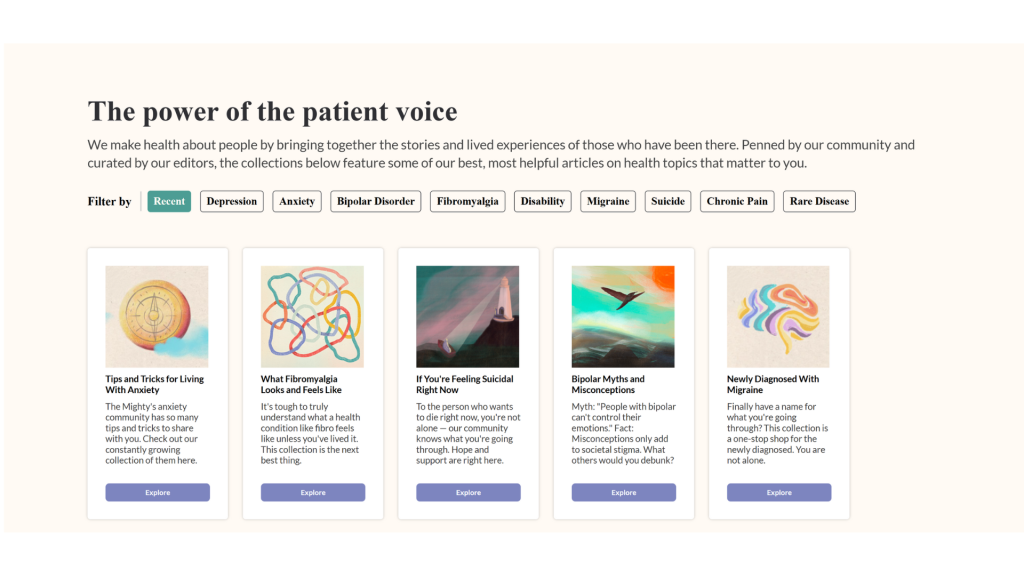
The Mighty (Crowdsourced Mental Health Stories)
As a leader in the growing social movement toward vulnerability and visibility, The Mighty publishes real stories from people living with bipolar disorder, post traumatic stress disorder, anxiety, and more. Their platform supports an online community where contributors share how they manage mood, build resilience, and find hope. The blog also emphasizes self care, daily coping mechanisms, and improving mental wellness through shared experiences, making it a hub of support, relatability, and validation.

NAMI Blog (National Alliance on Mental Illness)
The NAMI Blog, run by the National Alliance on Mental Illness, blends expert-backed content with lived experience to educate the public about mental health topics, including depression, mental health condition symptoms, and treatment options. Posts often explore brain function, affect, stigma, and advocacy, while also highlighting children’s mental health and family dynamics. With a focus on wellness, science-backed research, and practical advice, this blog helps readers better understand the complexity of illness and work toward a better life.
Want SEO Help For Your Rehab Center? Get a Free SEO Audit
If your blog isn’t ranking, you’re missing out on valuable search traffic from people actively looking for help. Our team at Behavioral Health Partners specializes in mental health SEO—an approach tailored to treatment centers and providers looking to grow their digital presence with purpose.
Request a free SEO audit today and discover how to improve your site’s visibility, enhance your content strategy, and attract more qualified leads. Click here for your FREE SEO audit.
Using Blog Posts To Educate and Empower Clients
A well-written blog can do more than inform—it can empower readers to take the first step toward healing. As a mental health professional, your blog is an opportunity to offer clarity on complex issues and guide potential clients with thoughtful, compassionate content that meets them where they are.
When writing, always focus on providing practical value. Educational posts that explain different forms of treatment, explore therapeutic approaches, or offer step-by-step coping mechanisms help readers feel supported rather than overwhelmed. Rather than broad overviews, zoom in with specific advice they can apply in real situations.
Additionally, sharing insights from your clinical experience—without breaching confidentiality—builds trust and credibility. Clients appreciate transparency and expertise, especially when facing difficult decisions about their care. When your blog feels approachable and informed, it creates a bridge between your services and those seeking help.
By using your platform intentionally, you help reduce uncertainty, build trust, and inspire readers to take meaningful action in their mental health journey.
Building Community With Your Mental Health Blog
One of the most powerful benefits of a well-managed blog is its ability to cultivate a genuine community. A mental health blog isn’t just a publishing platform—it’s a place where readers return for connection, understanding, and support.
Encourage engagement by allowing thoughtful comments or questions, and by inviting readers to share their own stories and perspectives. This transforms your blog into an online community where lived experience holds value and stigma begins to dissolve.
To go even further, focus on fostering community through regular interaction—respond to comments, feature guest contributors, or highlight relevant events and recovery milestones. Offer reliable resources in every post, such as helplines, educational links, or worksheets, so visitors leave with something useful.
By approaching your blog as a space for connection, you give readers more than information—you offer them a place to feel seen, heard, and supported on their journey.
Want to Turn Blogs Into Video Content? Ask About Our Video Marketing Services
Your blog content deserves more than just page views—it can become powerful video that connects emotionally, builds trust, and expands your reach. At Behavioral Health Partners, we help mental health professionals repurpose written content into high-converting video for websites, social media, and paid ads.
If you’re ready to amplify your message and connect with more people through visual storytelling, click here to learn about our video marketing services. Let’s turn your expertise into impact—on screen and beyond.
Final Advice for New Mental Health Bloggers
Starting a mental health blog can feel overwhelming at first, but the key is to begin with clarity, stay consistent, and always write with purpose. Your content should aim to empower, inform, and genuinely support those navigating the complexities of life, relationships, and emotional health.
Remember, the goal isn’t perfection—it’s authenticity. Share original ideas, practical takeaways, and insights that promote wellness and emotional peace. Whether you’re addressing anxiety, depression, or other topics related to mental well-being, make your audience the focus. Speak to their needs, questions, and real-life struggles.
Over time, your blog will evolve into a great resource—not only helping others find tips and tools for healing but also inspiring a better life through connection and understanding. By covering a thoughtful range of subjects and remaining mindful of how your words may affect your readers, you’ll build something meaningful that goes far beyond content—it becomes a voice of hope.