
Stigma is a mark of disgrace that unfairly sets people apart, often based on misunderstandings or fear. When it comes to mental health, stigma becomes a dangerous barrier—preventing people from seeking support, receiving care, and living fulfilling lives. Breaking the stigma surrounding mental illness is not only possible—it’s essential.
Mental health stigma leads to discrimination, social isolation, and a lack of access to vital resources. This blog will explore how we can reduce stigma, shift public attitudes, and create supportive communities for individuals facing mental health conditions.
You’ll learn about the harmful effects of stigma, the role of public health campaigns, and how education, empathy, and conversation can lead to real change. Together, we can challenge negative stereotypes and foster understanding.

Key Takeaways On Mental Illness Stigma
- Understand the roots of mental health stigma – Explore where stigma begins and how it impacts beliefs and behavior.
- Learn how stigma affects individuals and public health – Recognize the real-world consequences on care, well-being, and recovery.
- Discover proven strategies to reduce stigma in communities – From storytelling to education, see what actually works to change perceptions.
Understanding Mental Health and Mental Illness in Today’s Society
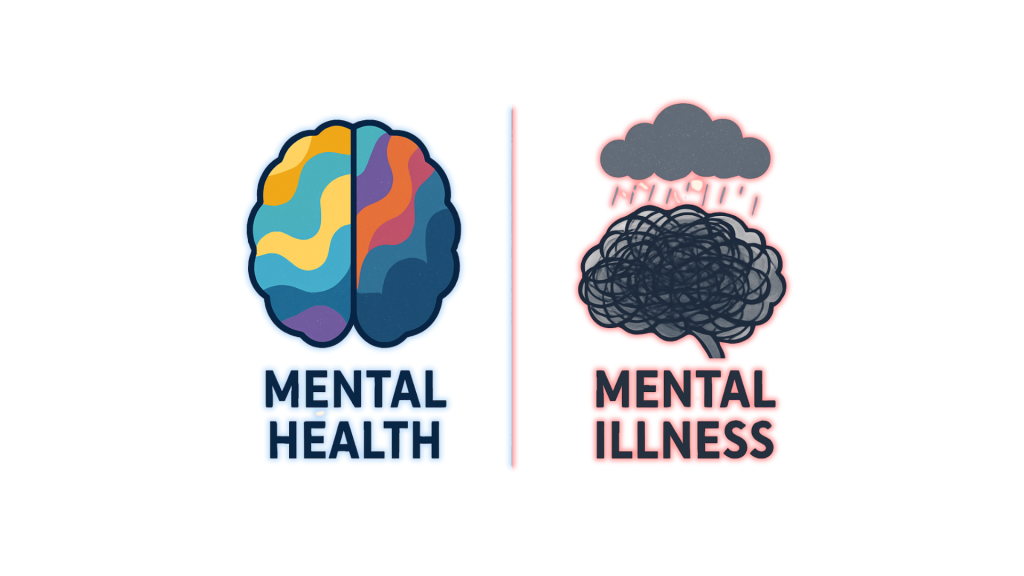
Mental health refers to our emotional, psychological, and social well-being. It affects how we think, feel, and act in daily life. A mental illness is a diagnosable condition that disrupts a person’s thinking, mood, behavior, or functioning. Common examples include depression, anxiety disorders, bipolar disorder, and schizophrenia.
Mental health conditions are increasingly recognized as part of the full spectrum of health—yet cultural attitudes still differ. In some communities, mental disorders are seen as personal weakness rather than legitimate health conditions. These beliefs can be harmful to people with mental illness and contribute to ongoing silence and shame.
Acknowledging the reality of mental illnesses is a critical step in reducing stigma. We must recognize that individuals living with mental health disorders are no different from those living with physical health conditions—and they deserve the same level of compassion and care.
The Harmful Effects of Mental Health Stigma on Individuals and Society
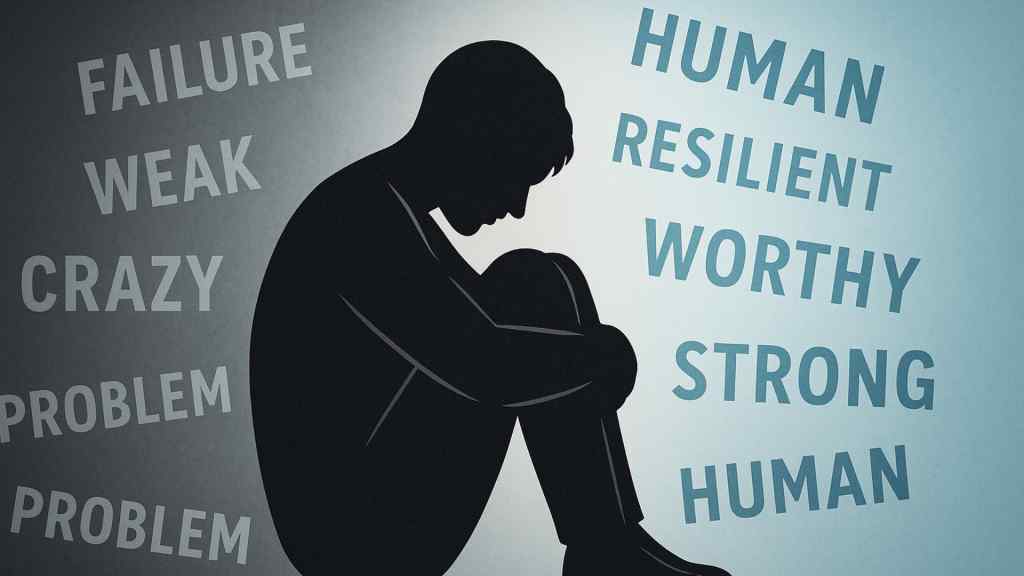
Mental health stigma leads to emotional distress, discrimination, and lost opportunities for individuals experiencing mental illness. These harmful effects are far-reaching—impacting everything from employment and relationships to access to health care and education.
Public stigma, shaped by negative attitudes and misinformation, paints people with mental health disorders as unstable or dangerous. This fuels fear and isolation. At the same time, self stigma can cause individuals to internalize this judgment, lowering self-esteem and discouraging them from seeking help.
The consequences of mental illness stigma extend to the economy and public health systems. When individuals delay or avoid care, untreated mental health disorders worsen—leading to greater societal burden and higher costs for health care.
Addressing Breaking The Stigma Through Public Health Campaigns
Public health initiatives play a powerful role in addressing stigma and shifting societal norms. By educating communities and promoting inclusive dialogue, these campaigns help reshape how mental health is understood.
Public stigma can be reduced when respected opinion leaders—such as athletes, politicians, or doctors—speak openly about mental health challenges. Campaigns led by organizations like the National Alliance on Mental Illness (NAMI) are helping change the narrative.
These efforts are examples of stigma reduction strategies that work: normalizing conversations, correcting myths, and showing that recovery is possible. Public health must continue prioritizing these campaigns to support widespread, lasting change.
Why We Must Reduce Stigma Around Mental Health
The stigma surrounding mental illness discourages people from seeking help when they need it most. When we reduce stigma, we create pathways to recovery and increase access to essential mental health services. Many people delay or avoid health care treatment altogether because of internalized shame or fear of judgment.
Negative stereotypes contribute to a cycle of silence, especially for those living with mental health conditions. Understanding how to reduce stigma in mental health starts with challenging false beliefs and promoting compassion.
Mental illness stigma doesn’t just impact individuals—it affects families, workplaces, and communities. Creating a culture of support encourages healing, early intervention, and a healthier society overall.
The Role of Health Care Providers in Reducing Mental Illness Stigma

Health care providers play a pivotal role in how mental illness is perceived and treated. Through compassionate care and informed dialogue, they help shift public attitudes and encourage people with mental illness to seek support.
When professionals treat mental health conditions with the same urgency as physical ones, it reinforces the truth that all health conditions deserve equal attention. Providers who understand the full spectrum of behavioral health can bridge the gap between medical and emotional well-being.
By integrating mental health into every aspect of health care treatment—not just other health care treatment settings—we foster trust and break long-standing barriers to care.
The Link Between Substance Use Disorders and Mental Health Stigma
Substance use disorders often co-occur with mental illnesses, creating complex challenges for individuals navigating recovery. This dual diagnosis—when a person has both a mental health condition and a substance use disorder—can intensify stigma and worsen outcomes.
People with physical and mental illness face added layers of judgment, often labeled unfairly or denied proper care. Stigma fuels misunderstandings that these struggles are moral failings instead of real, diagnosable conditions.
Recognizing this intersection is key to compassionate care. By acknowledging that substance use and mental illness are often connected, we reduce blame, increase empathy, and improve health outcomes for individuals with mental health challenges.
How Can We Reduce Stigma in Mental Health?
Reducing stigma starts with education and conversation. When we talk openly about mental health, we invite understanding and connection. Communities that promote awareness and normalize mental health treatment see higher rates of recovery and better outcomes.
Advocacy also plays a crucial role. From school programs to workplace initiatives, public spaces must support open dialogue. Teaching people how they can reduce stigma empowers them to become part of the solution.
This shift doesn’t happen overnight—but small actions add up. Listening without judgment, sharing facts instead of myths, and leading with empathy all help to build supportive environments where people with mental health feel safe and seen.
Anti-Stigma Interventions That Actually Work
Research has shown that anti stigma interventions—especially those that include education, contact, and advocacy—can significantly reduce mental health stigma. A systematic review of global efforts reveals that public campaigns featuring personal stories and lived experiences have the greatest impact.
Successful interventions target both public stigma and self stigma by shifting how society views mental illness and encouraging self esteem and self efficacy in those affected. These programs also help reduce mental health stigma at the community level.
From classroom discussions to national initiatives, the most effective approaches are those that combine storytelling, scientific evidence, and cultural sensitivity.
The Power of Personal Stories in Breaking Mental Illness Stigma
One of the most effective ways to shift public perceptions is through personal stories. When people speak honestly about their mental health struggles, it humanizes the experience and dismantles harmful assumptions. These narratives help others challenge their own attitudes and recognize the strength it takes to seek help.
Storytelling also boosts self esteem and self efficacy by showing that recovery is possible. Hearing real journeys encourages empathy and creates space for connection. Whether shared in schools, communities, or media, personal stories are powerful tools for changing hearts and minds—and for breaking mental illness stigma at its core.
Young People and Reducing Mental Health Stigma
Young people are a critical target group for reducing mental health stigma. Schools, social media, and peer groups shape how youth view mental health challenges, making early education essential. Teaching mental health literacy from a young age promotes acceptance and prepares students to recognize symptoms in themselves and others.
Peer-led programs are especially impactful for youth audiences. When classmates model vulnerability and strength, stigma weakens. This generation is uniquely positioned to create cultural change—if we empower them to talk about mental health and support one another openly.
Legislation, Equality, and Rights for Mentally Ill People
Policy plays a crucial role in protecting the rights of mentally ill people. The Disabilities Act ensures that individuals with mental health conditions receive the same opportunities as others in education, employment, and housing.
Laws that encourage equality also help reduce systemic stigma and protect against discrimination. Anti-stigma policy must continue evolving to reflect real needs. Beyond rights, it’s about dignity—ensuring mentally ill people are treated with the same humanity and respect afforded to everyone else. Equality in law lays the foundation for equality in care and culture.
Public Stigma and Structural Stigma in Mental Health Systems
While stigma often begins in social settings, institutions can reinforce it through structural stigma. Complex policies, long waitlists, and unequal coverage in health insurance systems limit care for people with mental illness. Veterans Affairs and other government programs must actively work to dismantle these invisible barriers.
When negative comments are tolerated within systems or when providers show bias, it erodes trust. Stigma baked into procedure is harder to detect—but no less harmful. Institutions must acknowledge and reform these patterns to create true equity in access, treatment, and recovery for those facing mental health disorders.
The Role of Language: Why Words Matter in Reducing Stigma
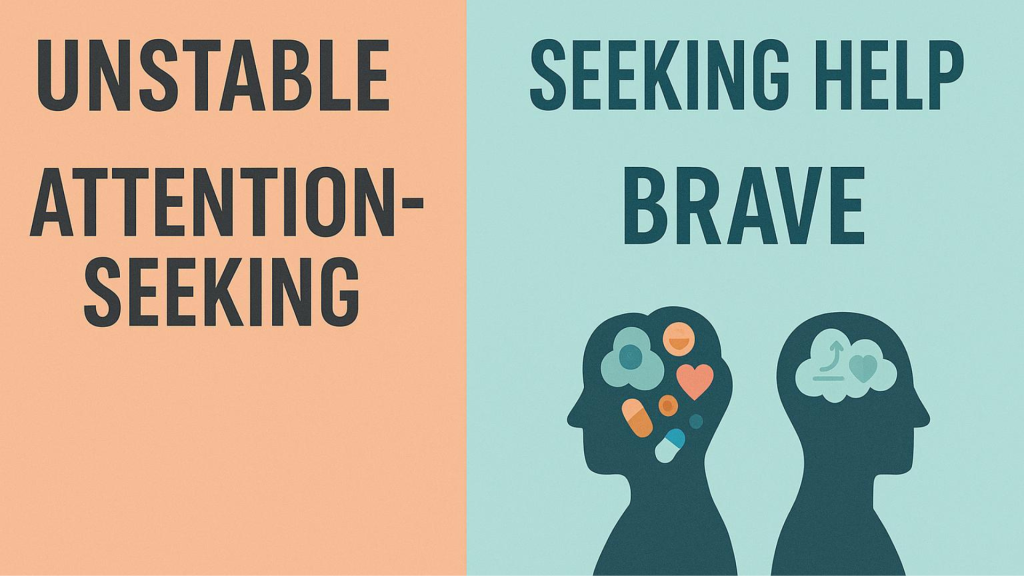
Language holds power. The words we choose shape public attitudes and perceptions of mental illness. Terms like “crazy” or “unstable” reinforce negative perceptions and discourage help seeking.
Understanding stigma starts by examining the way we speak. Words matter because they either dehumanize—or they dignify. Choosing person-first language and avoiding labels can transform conversations and promote compassion, especially in schools, media, and health care environments.
If You Are a Provider Needing a Marketing Partner Check Some of Our Services:
Final Thoughts: Building a Stigma-Free Future for People with Mental Illness
To build a stigma-free future, we must center compassion, education, and accountability. People with mental health conditions deserve access to respectful mental health treatment, without fear of judgment or delay. By understanding stigma and how it operates—socially, internally, and systemically—we create space for real change.
There’s still more to do to adequately cover the complexities of mental illness treatment, especially for underserved target groups like youth and family members impacted by physical violence and trauma.
Resources like the National Academies Press and leading behavioral health organizations help guide the way. Let’s continue raising awareness, addressing mental health issues, and showing up for people with mental illness—with action, empathy, and unwavering support.