
Guide to Marketing For Health and Wellness Clinics
The wellness market is worth roughly $480 billion and growing, which is opportunity and crowding at once. We cover why brand strategy is the foundation, and how to build a website designed to convert. We cover SEO for long-term organic visibility, the marketing strategies that genuinely work in this category, email and SMS for retention, strategic partnerships, and managing reviews and reputation.
The Growing Opportunity in the Health and Wellness Market

The health and wellness market is experiencing rapid growth, opening new opportunities for clinics. In the U.S., the wellness market is about $480 billion and growing at 5–10% per year, and 82% of Americans see wellness as a top. Globally, the wellness sector tops $6 trillion and continues to. This surge is fueled by a shift toward preventive, holistic health. In the U.S., use of complementary approaches like yoga and meditation nearly doubled from 19.2% in 2002 to 36.7% in, reflecting demand for lifestyle-oriented care.
Wellness consumers proactively manage their physical health and mental wellness, seeking services and wellness products beyond traditional medicine. They are interested in everything from nutrition and stress management to gut health and experiences like wellness retreats. For clinics, these market trends mean a larger pool of potential customers—but also higher expectations. People now look for exceptional value, evidence-based practices, and a holistic approach under one roof. This guide to marketing for health and wellness clinics will help your center stand out in a crowded market.
Key takeaways for clinics:
- The health and wellness industry is booming, with ample room for growth if you meet rising consumer interest.
- Wellness consumers value preventive care and personalization; clinics should offer services tailored to these needs (e.g. nutrition coaching, mind-body therapies).
- Highlighting your clinic’s expertise and brand's commitment to patient well-being helps you connect with your audience and stand out.
Why a Brand Strategy Is the Foundation of Success
Before launching any marketing campaigns, a health and wellness business needs a clearly defined brand strategy. This means articulating your mission, core brand values, and what differentiates your clinic in the health and wellness market. Are you focused on holistic health services, advanced technology, affordability, or a niche specialty? Clarifying these elements – and understanding your target audience – ensures all marketing efforts share a cohesive message.
Consistency is key. Develop a uniform visual identity (logo, color palette, typography) and a tone of voice that reflects your values across all marketing channels – from your website and signage to social media. When your branding is consistent and resonates with audience needs, it builds trust and recognition.
A well-crafted brand strategy guides strategic marketing decisions and fosters brand loyalty by turning satisfied patients into advocates – ultimately becoming the bedrock of your brand's success in the long run, forming the foundation for all your marketing strategies.
Positioning Your Clinic Within the Wellness Industry
The wellness industry is broad, so it’s important to position your clinic in a specific niche where you can excel. Start by identifying what unique services or expertise you offer that other providers don’t. For example, you might specialize in gut health programs, mental wellness counseling, or family-oriented wellness plans.
Align this niche with your local target audience – consider the demographics and needs of your community. Local market research and patient feedback can reveal gaps in the market. By tailoring your services to meet those unmet needs, your clinic can become the go-to wellness business for that specialty in your area.
Health and Wellness Brands That Stand Out
Studying successful health and wellness brands can inspire your own marketing. Here are some brands that have stood out in the industry:
Calm: a meditation and sleep app, built its brand around mental well-being with a soothing visual identity and consistently mindful content.
Ritual: a wellness company specializing in multivitamins, stands out by emphasizing transparency – from clear capsule designs to publishing ingredient sources – which reinforces trust.
One Medical: a primary care clinic network, differentiated itself with a tech-enabled, patient-centric model; its branding highlights convenience and holistic preventive care to appeal to busy professionals.
These wellness brands all have a clear mission and deliver consistently on their promises. Each of these wellness companies stays true to its core values and audience, evident in everything from product design to tone of voice. By analyzing how established brands communicate and engage their users, wellness marketers can gather ideas to apply on a smaller scale – for example, fostering community, showcasing success stories, or maintaining a clean, inviting visual style aligned with your clinic’s ethos.
Building a Conversion-Focused Website
Your clinic’s website is often your most important sales tool – it’s the first touchpoint for many potential patients and the hub of your digital marketing. To convert online visitors into appointments, your site must be user-friendly and designed for conversion. Ensure the website is mobile-responsive and fast, since many visitors will find you on their phones. Clearly list your services and make it easy for people to understand what you provide at a glance. Prominent calls to action (e.g. “Book Now” or “Schedule a Consultation”) should appear on every key page to encourage the next step.
Integrating online scheduling or inquiry forms into your website is vital for capturing leads. Include a “Request Appointment” button that connects to your booking system, or a chatbot for quick questions. Display your contact information (phone, email, address) in the header or footer to make it simple to connect. It’s also wise to feature trust signals – for instance, brief provider bios with credentials, client testimonials, or relevant certifications – to reassure visitors. By treating your site as a virtual front desk and optimizing it for conversions, you lay a strong foundation to turn clicks into clients.

SEO for Organic Traffic and Long-Term Visibility
Appearing prominently on search engines like Google is critical for driving organic traffic without paying for ads. This is where search engine optimization (SEO) comes in. Start with local SEO: set up and optimize your Google Business profile with the correct address, hours, and service categories so your clinic shows up in local searches and map results.
Encourage patients to leave reviews on your Google listing – positive reviews can boost local ranking and build trust. On your website, incorporate relevant keywords prospective clients might search (e.g. “holistic health clinic in [City]”). Ensure each service page has descriptive titles and meta tags so search engines understand your content.
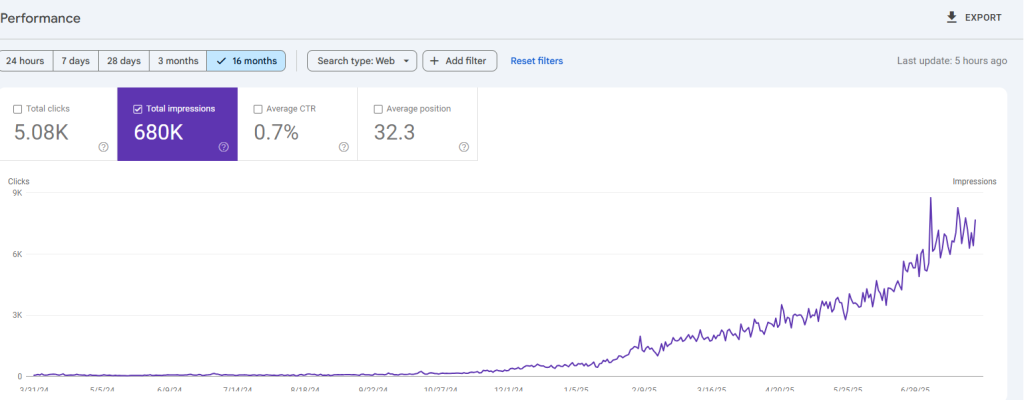
Beyond keywords, regularly publishing relevant content (e.g. blog posts answering common health questions) helps increase organic traffic over time as search engines recognize your site as a useful resource. SEO is a long-term effort: you likely won’t dominate rankings overnight, but consistent optimizations will steadily improve visibility.
Over months and years, a strong SEO strategy can deliver a steady stream of new visitors and potential customers finding your clinic online.
Educational Content That Builds Authority
An effective content strategy is vital in the health and wellness industry, where trust is paramount. By creating educational content – like blog articles, videos, or downloadable guides – your clinic can position itself as a knowledgeable resource and thought leader. Focus on topics that address common questions or concerns among your patients.
For example, a nutrition-focused clinic might share healthy living tips and stress-management advice, while a physical therapy practice posts exercise demo videos for injury prevention. Offer valuable content that truly informs and empowers your audience, rather than just promoting services.
This approach isn’t about immediate sales; it’s about building credibility and trust. High-quality educational material genuinely contributes to the broader wellness conversation instead of pushing a sales pitch.
Over time, as people read and share your content, your authority grows – fostering trust in your brand. Plus, consistent content gives you more to share via social media and email marketing, keeping your clinic on your community’s radar and improving search visibility.
Marketing Strategies That Actually Work in Health and Wellness
With countless options available, focus on wellness marketing strategies that have proven effective for wellness clinics. Typically, a mix of inbound and outbound marketing strategies works well.
Inbound methods – like content marketing, SEO, and active consumer engagement on social platforms – attract wellness consumers by providing value and building trust with a highly engaged audience over time.
Outbound methods – like targeted ads or local events – can spread the word more quickly to your target audience. The most successful wellness marketing strategies strike a balance suited to your clinic’s goals and resources.
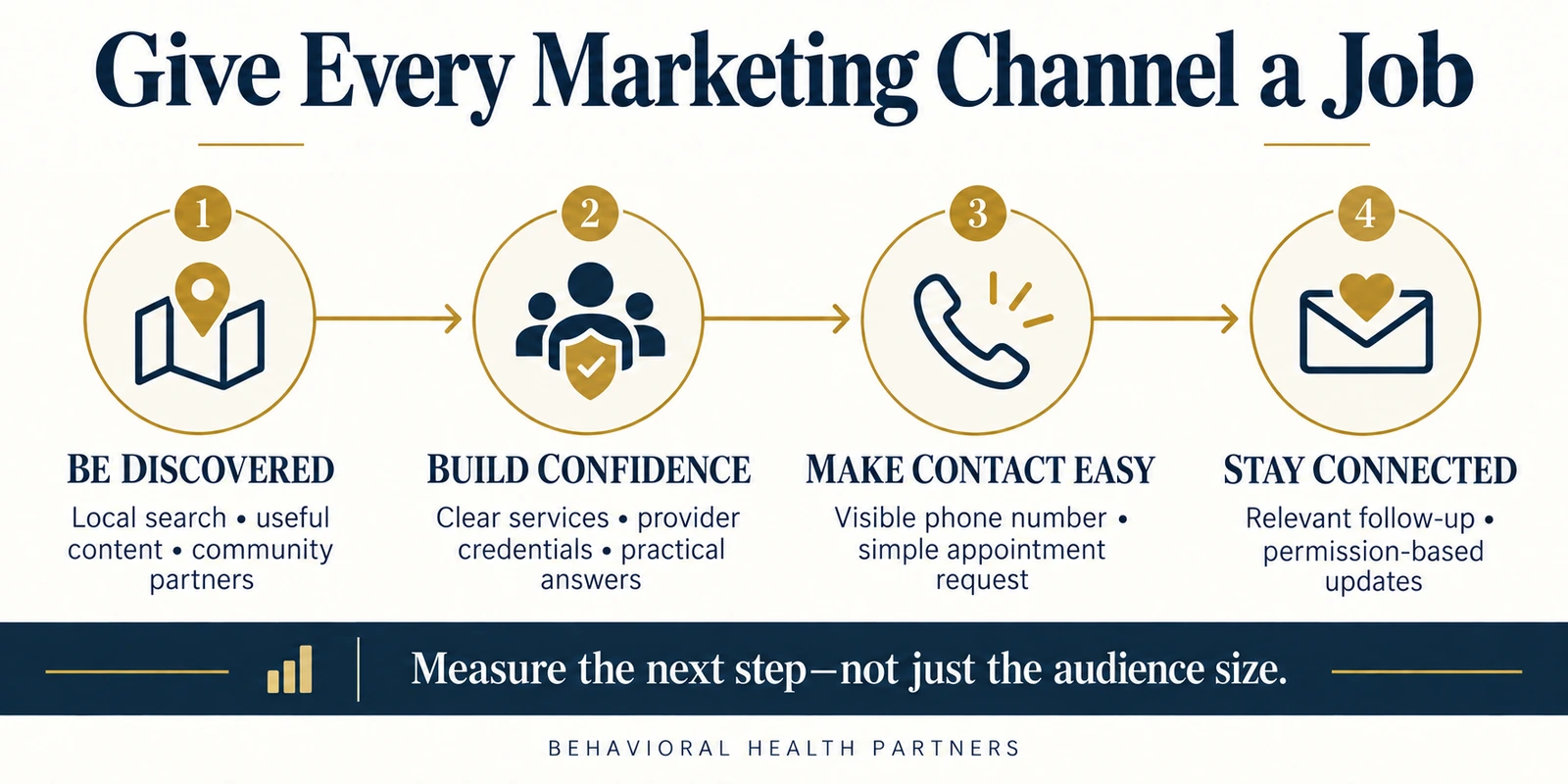
Consistency is crucial. Rather than one-off blasts, aim for sustained, strategic marketing efforts across digital channels and offline outreach. For example, you might publish a monthly blog post (inbound) while running a seasonal promotion on Google or Instagram (outbound). Watch industry trends and see which tactics resonate most with your audience, then double down on what works best.
Above all, be patient and persistent – in health and wellness, genuine relationships and steady visibility lead to long-term success more than any overnight fix.
Google Ads & Social Media Marketing Campaigns
Paid advertising can amplify your reach when used strategically. Google Ads allows your clinic to appear at the top of search results for specific keywords. By targeting high-intent searches (e.g. “dietitian near me” or “physical therapy in [Town]”) and limiting the radius to your service area, you capture people actively seeking your services. Set a defined budget and write ad copy with a strong call-to-action (“Book Now”) to maximize each click’s value.
On social platforms like Facebook and Instagram, social media campaigns build local awareness. These networks let you aim ads based on location, demographics, and interests – for example, promoting a new yoga workshop to users within 10 miles who are interested in fitness.
Consider boosting a post that introduces your staff or shares a client success story – such user-generated content adds authenticity and makes your ads more engaging. As with all marketing campaigns, remember to track results and adjust targeting or creative elements over time to improve performance.
Engaging Campaigns That Speak to the Wellness Consumer
To truly connect with wellness-minded customers, your marketing must resonate on a personal level. Craft engaging campaigns that speak to the aspirations and pain points of your audience. Use benefits-driven messaging – highlight how your services improve someone’s life, rather than just listing features. Also leverage visual storytelling: imagery and design that evoke the feelings of health, balance, and empowerment that wellness consumers seek.
Ensure the tone of your campaigns aligns with your clinic’s ethos. Authenticity and empathy go a long way. Rather than a hard sell, adopt a supportive, inspirational voice that reflects your brand values. When people sense that your clinic genuinely understands and cares about their wellness journey, they’re more likely to engage and remember your brand.
Leveraging Email and SMS for Customer Retention

Email marketing and text messaging (SMS) are powerful tools for maintaining relationships and improving customer retention. By staying in regular contact, you keep your clinic top-of-mind and encourage clients to return. Provide value in these communications rather than constant promotions. For example, send a monthly newsletter with healthy living tips, seasonal nutrition advice, or mindfulness exercises. This content drives customer engagement and reminds past patients of your expertise.
Automated messaging can also enhance the experience. Use email or SMS reminders for upcoming appointments, follow-up notes after visits (“How are you feeling after your session?”), and even birthday greetings with a special offer. These personal touches show your brand's commitment to clients’ well-being and make them feel appreciated. Over time, a thoughtful email/SMS strategy nurtures an ongoing relationship beyond the clinic walls, leading to more repeat visits and loyalty.
Building Strategic Partnerships in the Wellness Space
In the wellness space, collaboration often beats competition. Partnering with other wellness businesses and professionals can expand your reach and add value for clients. Consider complementary services like gyms, nutrition coaches, or mental health therapists – even organizers of wellness retreats could be great allies. By forming a referral network, each partner can send clients to others for services they don’t provide. For example, a chiropractor might refer a patient to a local massage therapist, who in turn suggests the client see the chiropractor for back pain.
You can also create joint offerings or events. Consider co-hosting a community healthy living workshop or wellness fair with several local partners. This lets you reach each other’s audiences and demonstrates a united commitment to community health. Strategic partnerships in the wellness sector allow you to tap into new client pools and provide more holistic care, enhancing your reputation and reach without a large marketing spend.

Reviews, Testimonials, and Reputation Management

In an era when most people read online reviews before choosing a provider, managing your reputation is critical. Make it easy for happy patients to share their experiences. After visits, send a friendly follow-up email or text with a direct link for clients to leave a review on Google or another platform. Automating these requests helps you gather steady feedback. When positive feedback comes in, showcase it – highlight select quotes or client testimonials on your website as social proof for potential customers.
Equally important is addressing negative feedback. Respond quickly and empathetically to any poor review, showing you’re willing to make things right. This can help win back an unhappy patient and demonstrates to others that you care. By encouraging user-generated content in the form of reviews and actively managing your online reputation, you build trust that strongly influences new patients’ decisions.
Using Analytics to Improve Campaign Performance
Adopting a data-driven mindset is essential for refining your marketing over time. Analytics tools (like Google Analytics for your website or campaign dashboards on social and email platforms) show what’s working and what isn’t. Review key metrics regularly – website traffic, conversion rates, email engagement, lead sources, etc. Analyzing these consumer behaviors reveals which channels and messages are driving inquiries or bookings.
For example, you might find one of your Facebook ads is converting far more leads than another, indicating its message resonates better. Armed with insights like these, you can reallocate budget to top-performing tactics and pause or tweak underperformers. Grounding decisions in data ensures you’re continually optimizing your marketing strategies over time.
Optimizing Based on Conversion Data
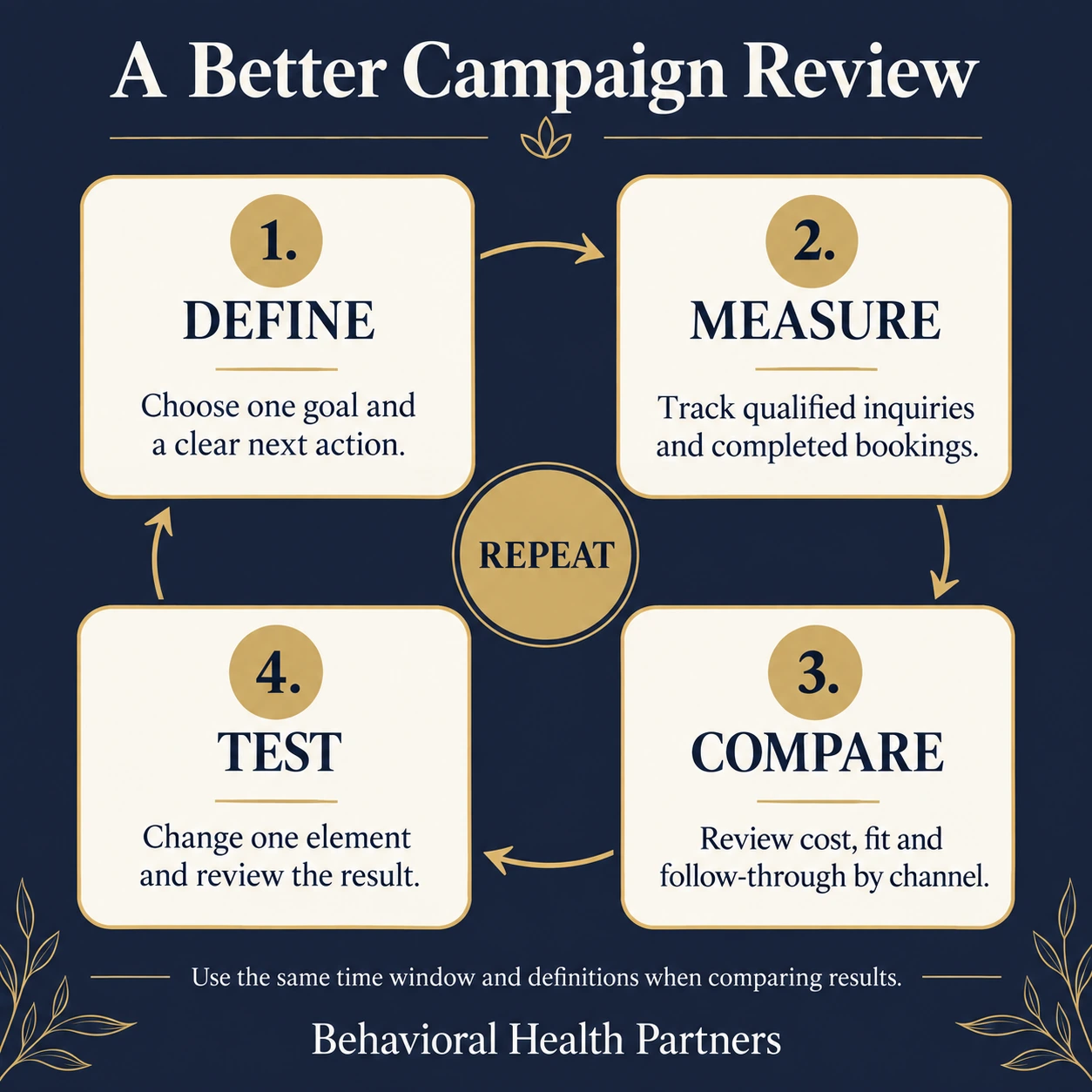
Continuously improve by learning from your results. Try A/B testing elements of your marketing – for example, two versions of an email subject line or two variations of a landing page – to see which drives more conversions. Watch metrics like cost per lead on ads and bounce rate on key webpages. If one campaign yields leads at half the cost of another, shift more budget to it. If a page has a high bounce rate, test new headlines, imagery, or calls-to-action to keep visitors engaged.
These incremental tweaks based on data make your marketing more efficient. Even small gains in click-through rate will compound over time. By continuously experimenting and refining, you can steadily convert more prospects into customers without increasing spend.
Budgeting for Sustainable Growth

Marketing is an investment, so plan your budget strategically. New clinics may need to invest a larger portion of revenue into marketing to jumpstart growth, whereas established clinics can spend a bit less while maintaining consistent outreach. The goal is to commit enough resources to grow without overspending beyond your means.
Focus your spending on the channels that yield the best results. Early on, investing in key digital channels – a quality website, local SEO, targeted online ads – tends to deliver high visibility for each dollar. As you grow, keep an eye on your marketing ROI and reallocate funds toward what works best. With a balanced, data-informed budget, you can fuel steady growth in a sustainable way.
Marketing for Health and Wellness Clinics: Next Steps
When it comes to marketing for health and wellness clinics, reading a guide is a great first step – now it’s time to act. Begin with a candid audit of your marketing: is your brand identity clear, your website mobile-friendly and conversion-focused, and your clinic easily found via search engines? Identify what you’re doing well and where you have gaps.
Next, prioritize a few initiatives for the coming months:
- Website & SEO: Update your site and improve local SEO so new patients can easily discover you.
- Content & Social: Plan regular social media posts and email newsletters to keep your audience engaged.
Finally, remember that effective marketing is iterative. Track results and adjust your marketing strategies as you learn. Don’t be discouraged by stumbles – new tactics take time to refine. Stay consistent, learn from wins and losses, and be ready to adapt to changing market trends, celebrating small victories along the way. Over time, these efforts will strengthen your brand and help your clinic thrive in the wellness market. By steadily implementing these wellness marketing strategies, you'll attract more ideal patients and set your clinic on the path to long-term success.
Sources:
- McKinsey & Company – “The trends defining the $1.8 trillion global wellness market in 2024.” (2024)
- Global Wellness Institute – “The Global Wellness Economy Reaches a New Peak of $6.3 Trillion – And Is Forecast to Hit $9 Trillion by 2028.” (2024)
- National Institutes of Health – “NIH analysis reveals a significant rise in use of complementary health approaches, especially for pain management.” (2024)

Adam Vibe Gunton is an addiction recovery expert, entrepreneur, marketer, brand strategist, and speaker dedicated to advancing the behavioral health industry. As Founder and Managing Partner of Behavioral Health Partners, he has worked across treatment-center development, operations, branding, PR, SEO, advertising, and growth strategy. Combining professional experience with his own lived experience in recovery, Adam brings a unique perspective on how treatment organizations can build trusted brands, reach more people, and create a greater impact.
More about Adam
One Conversation. No Pitch.
Schedule Your Free Discovery Call
Thirty minutes on video with Adam directly, camera on, screen-sharing your own online presence and your top three local competitors. If we are not the right partner, we will tell you that too.
Schedule Your Free Initial ConsultWe take one client per level of care, per market. We confirm your market is open before partnering with you.